
Last updated November 17, 2026
 Home additions & ADU
 Kitchen remodeling
 Bathroom remodeling
 Roofing
 Windows & doors
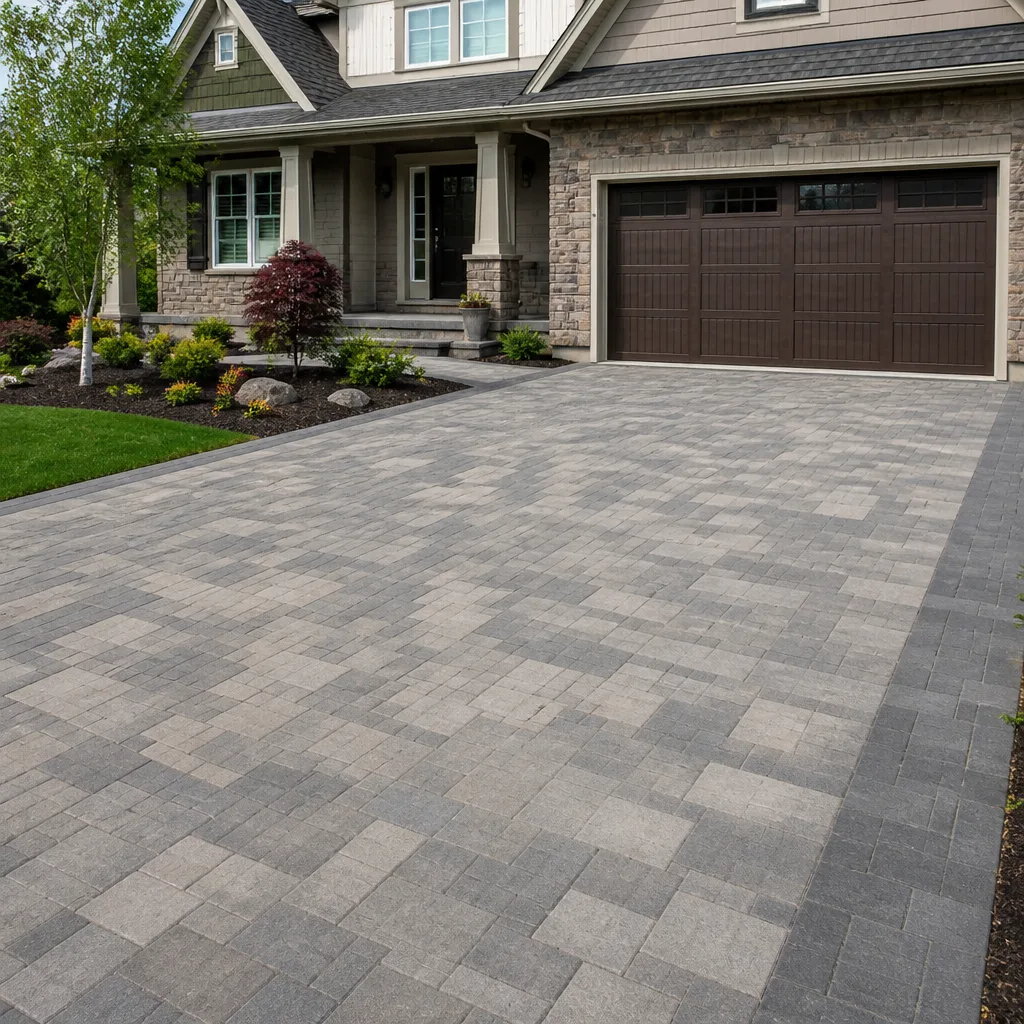 Driveway & pavers
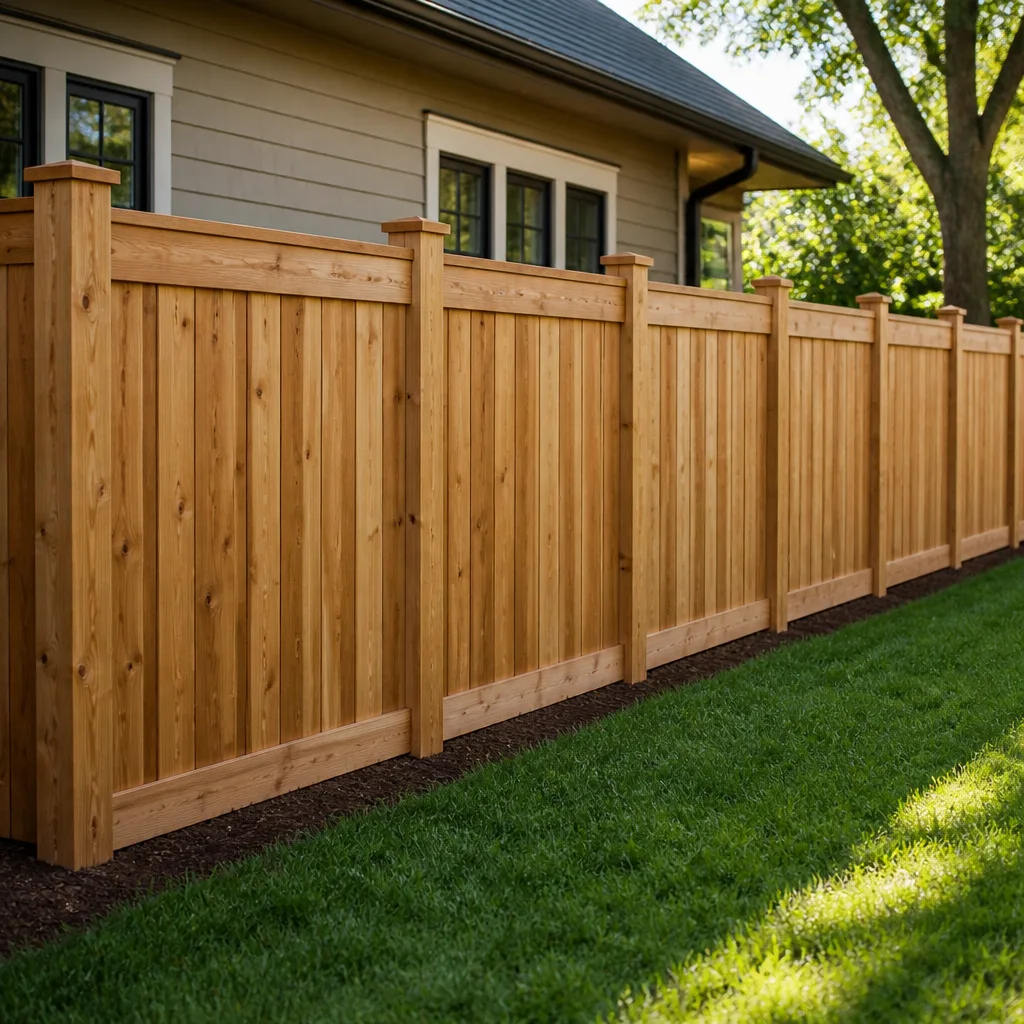 Fence
Free written scope consultation - allowances, timeline, and change-order rules on paper before a single trade is scheduled
Construction Emergency Preparedness Guide for Las Vegas Homes
Most Las Vegas homeowners think of construction emergencies as random bad luck. They aren’t. In our experience, the same handful of failures show up again and again, in the same order, at roughly the same time of year: water finds the one low spot along a wall, a roof membrane lets go after a haboob, a condensate line backs up into a ceiling. The homeowner who has walked their drainage, drains, and stucco weep screed before the season starts is in a different position than the one calling a contractor blind. This guide covers the five most common emergency calls we see in Las Vegas, an audit you can run yourself, the first 24 hours after damage, and what to document before a contractor or adjuster arrives.
Quick Answer
Construction emergencies in Las Vegas cluster around monsoon water intrusion in late summer, roof membrane and flashing damage after high-wind dust storms, and interior ceiling failures from condensate overflow. Most of the expensive damage we see could have been prevented by a pre-season walkthrough of drainage paths, roof penetrations, and stucco terminations. The first 24 hours after damage matters more than any later repair: stop the water, document everything, and don’t tear out materials before photos are taken.
Styles & brands we work with
- Kitchen remodeling
- Bathroom remodeling
- Home additions & ADU
- Roofing
- Windows & doors
- Driveway & pavers
- Fence
Table of Contents
- The Five Most Common Construction Emergencies in Las Vegas
- Pre-Monsoon Season Audit: A Walkthrough You Can Do Yourself
- What to Do in the First 24 Hours After Damage
- True Emergency or Non-Urgent Repair? How to Tell
- The Documentation and Photo Protocol for Insurance Claims
- Prevention Projects That Pay for Themselves
- When to Call a Professional
- Frequently Asked Questions
The Five Most Common Construction Emergencies in Las Vegas
Ranked by how often they show up in emergency calls, and tied to the season each one peaks.
1. Monsoon water intrusion (July through September)
The valley’s monsoon season concentrates most of its rainfall into a short window, and the ground is baked hard enough that water runs off instead of soaking in. It finds the low point along a foundation, a failed stucco joint, or a window flashing that was never lapped correctly. Prevention: check that soil slopes away from the house on every side, confirm window and door flashings are painted or sealed, and look for hairline cracks at the stucco base where it meets grade.
2. Condensate and ceiling failures (year-round, worst June through September)
An AC condensate line that clogs or a drain pan that overflows sends water into a ceiling assembly slowly, and the damage is usually visible before anything collapses. Prevention: have your HVAC condensate line cleared before summer, and know where the emergency shutoff and drip pan are. Never ignore a water stain that grows between bills – it is a slow leak signaling a bigger failure.
3. Post-haboob roof membrane and flashing damage
High-wind dust storms lift and peel membrane edges, tear off ridge caps, and open flashings around vents and chimneys. If your roof carries a GAF, CertainTeed, or Owens Corning system, that membrane was installed to a manufacturer spec, and storm damage can compromise the warranty’s wind coverage if not reported and documented properly. Prevention: after any significant wind event, look for lifted shingle tabs, granules in the gutters, and debris piles at the base of downspouts.
4. Structural cracks discovered during remodels
Walk into any older Las Vegas home and you may find foundation cracks that were there for years before you bought it, but a remodel opening a wall can reveal movement that needs an engineer’s eyes before work continues. Prevention: if you’re planning a kitchen or bathroom remodel, have suspected cracks inspected before demolition, not after.
5. Fence and hardscape storm damage
A wind-driven storm can flatten a fence line or undercut a paver edge, and a failed fence line means exposed yards, pets, and pools. If your fence is a Barrette, Master Halco, or Ameristar system, check post footings after wind events and reset loose caps before the next storm.
Pre-Monsoon Season Audit: A Walkthrough You Can Do Yourself
None of this replaces a licensed inspection, but a homeowner walking their own property with a critical eye catches most of what causes emergency calls. Block out an hour, and bring a notepad.
- Walk the drainage path. Start at the highest point of your lot and follow where water would go during a heavy rain. Confirm it flows toward the street or a proper drain, not toward the house. Note any pooling you’ve seen after past storms.
- Check roof edges, flashings, and penetrations. From the ground with binoculars, look at ridges, valleys, vents, and the chimney flashing. Look for lifted material, rust, or gaps. Never climb onto a roof yourself; height and heat make it dangerous, and a fall is its own emergency.
- Inspect the stucco weep screed. The weep screed is the metal lip at the bottom of your stucco that lets moisture escape. Look for it being buried by soil or blocked by landscaping. If it’s buried, water wicks up the wall instead of draining out.
- Test window and door seals. Open and close every exterior window and door; look for cracked sealant, warped frames, and gaps at thresholds. This matters especially for impact-rated windows and doors, PGT or CGI or ES Windows or ECO Window Systems systems included: a compromised seal is a water path.
- Look at the base of fences and pavers. Confirm soil hasn’t eroded from fence post footings and that paver edges aren’t washing out. Whether yours are Belgard, Unilock, or Techo-Bloc, loose edges mean water is moving where it shouldn’t.
- Clear the AC condensate path. Find the condensate drain line and the pan, confirm it’s not clogged, and check that the pan drains away from the house.
- Check the gutters and downspouts. Ensure downspouts discharge at least several feet from the foundation and that the soil slopes away from the house, not back toward it.
What to Do in the First 24 Hours After Damage
What you do in the first day sets the cost of everything that comes after. Do these in order.
- Stop the water or the breach. Shut off the supply line if a pipe is involved. For an active roof leak, place a bucket and move valuables, then tarp or contain from the ground if you can do it safely. Do not put yourself on the roof in wind or rain.
- Photograph everything before you move it. Wide shots of each room, then close-ups of the damage, then any wet materials. Time-stamped photos are what adjusters use.
- Document the conditions. Note the date and time, what you observed, and anything you can’t visually capture, like a smell or sound. Save any weather alerts or storm notices.
- Remove water and prevent mold. Extract standing water, pull up wet rugs, and ventilate. Fans help, but in high humidity from the storm, fans alone can spread moisture. Don’t seal a wet area behind cabinets or drywall without inspection.
- Call your insurer and start a claim file. You don’t have to wait for a contractor’s estimate to open a claim. Ask your insurer what they want documented before anything is removed.
- Do not pull out or replace materials yet. Structural members, saturated drywall, or roofing components you remove may be evidence the adjuster needs. Let the estimate and the inspection come first.
True Emergency or Non-Urgent Repair? How to Tell
Not every leak and crack requires a same-day call, but some absolutely do. Here’s how we sort them.
Call right away if:
- Water is actively entering the house, especially near electrical panels or outlets.
- You smell gas or suspect a gas line issue; leave the house and call your utility first.
- A ceiling is sagging, bulging, or showing a water line that changes shape, since ceiling failure can be imminent.
- A roof section has lifted, torn, or is missing, exposing the deck to further rain.
- A structural crack is new, wide, or accompanied by sticking doors or windows that started in the last few days.
You can usually wait for a scheduled estimate if:
- A stain is stable and not growing, with no active drip.
- A paver edge is settling but the drainage path is intact.
- A fence post is loose but the line is standing.
- A crack is old, narrow, and hasn’t moved since your last inspection.
If you’re unsure, err toward calling. If it’s not an emergency, we say so, and no one pays for an estimate.
The Documentation and Photo Protocol for Insurance Claims
Adjusters decide claims on documentation, not on how bad the damage felt in the moment. Build your file before the contractor arrives, not after.
What to capture
- Wide-angle photos of every room or area with damage, shot from the corners.
- Close-ups of the damage itself, with a reference object or tape measure in frame if you have one.
- Photos of the source, like the roof area, the ceiling stain, or the failed flashing, shot from the ground.
- Short video walking the perimeter and each affected area. Narrate what you’re looking at and the day and time.
What to write down
- The date and time of the event, and what happened.
- Any weather alert or storm record from that day.
- Anything you moved, and where it went.
- The name, number, and claim reference for your insurer, and the contact for any contractor who visits.
What not to do
- Don’t discard damaged materials before the adjuster sees them.
- Don’t clean up a stain or finish before photographing it.
- Don’t let a contractor start demolition before your insurer has an opportunity to see the damage.
When you’re ready for a professional, our team works with insurers and documents jobs the way adjusters need to see them. We can work with your insurer to keep that file clean without slowing the repair.
Prevention Projects That Pay for Themselves
The cheapest emergency is the one you prevent. These home improvement projects are worth scheduling before the season, not after it.
Drainage and hardscape
Regrading, adding a channel drain, or resetting pavers to slope water away from the house is a modest project that prevents far bigger interior damage. If your driveway & pavers are holding water near the foundation, fix that first. In our experience, this is the single highest-value prevention step for a Las Vegas home.
Roof inspection and maintenance
A pre-season roof inspection catches lifted flashing and worn sealant before the first storm. If your roof carries a GAF, CertainTeed, or Owens Corning system, keeping the maintenance record also keeps the warranty side of the conversation simple. We work with a range of name-brand shingle systems so you can choose materials with manufacturer backing instead of anonymous commodity stock.
Fence reinforcement
A sagging or loose fence installation is a windstorm waiting to happen. Check post footings and gates before the season, and reset or reinforce anything that’s moving. If your fence is a Barrette, Master Halco, Ameristar, Jerith, Bufftech, or ActiveYards system, we can compare materials and repairs on the same visit.
Adding protected space
If your home addition or home additions & ADU plans include a garage, storage, or utility room, choose materials that will hold up to the valley’s heat and dust. From Tuff Shed outbuildings to James Hardie siding and cladding, what you choose now affects how often you’re cleaning up after a storm.
Common Mistakes to Avoid
- Ignoring the weep screed. Burying the stucco weep screed with soil or landscaping traps moisture in the wall, which leads to rot and cracking that shows up months later. Keep it clear and visible.
- Skipping gutters where they matter. If you’re not ready to add gutters to the whole house, at least fix the downspouts that discharge next to the foundation. A short downspout extension is a small fix with an outsized effect in monsoon season.
- Waiting until the storm to call. When monsoon season hits, schedules fill up fast. A pre-season inspection and repair is far easier to book than an active leak.
- Doing roof work yourself. Heat, wind, and height make a roof one of the most dangerous places on your property. A fall or a secondary injury is far costlier than a professional inspection.
- Choosing materials on price alone. A fence or roof that fails within a season costs more than the difference between brands. Choosing materials with established manufacturers behind them, like the name-brand lines we work with, is what keeps warranties intact.
- Cleaning up before documenting. A tidy room looks better, but a clean room with no before-photos weakens an insurance claim. Photograph before you clean.
- Assuming one contractor has to do it all. Hiring a fence crew, a roofer, and a remodeling contractor separately creates gaps in liability and scheduling. Work with a single point of contact who handles the whole scope.
When to Call a Professional
Call when water is actively moving, when a roof has opened up, when a crack is new or changing, or when a ceiling shows signs of failure. Those all merit fast attention. Call too when you’re unsure: comparing what you see to what a professional sees is what prevents small damage from becoming a big repair. Las Vegas Construction Co offers free estimates in Las Vegas. Call (844) 629-1061. We answer 24/7. Fast dispatch from 7am to 7pm, Sunday through Friday. Our technicians have up to 8 years of experience, and our estimates are written line-item so you know exactly what’s going in before you approve anything. When you compare bids, you’ll have the brands and the scope in front of you, not just a price.
Frequently Asked Questions
Monsoon water intrusion is the most common, typically from drainage that sends water toward the foundation or from failed stucco and window joints around the house. Roof membrane and flashing damage from high-wind dust storms is second. If you’re dealing with active water, call us at (844) 629-1061. Estimates are free.
Water intrusion and roof problems peak in the late-summer monsoon window. Condensate and ceiling failures peak in summer when AC systems work hardest. Wind-driven fence and roofing damage can happen after any significant dust storm. The seasons matter more than the calendar date.
Call your insurer and a contractor around the same time. Your insurer wants a claim file opened before anything is removed, and a contractor can help you decide what must be stopped immediately. Estimates are free, so there’s no reason to wait to understand the scope.
Yes. A hairline crack can let water into the wall assembly, where it’s hidden until it shows as interior damage. The same goes for a crack in your foundation or at the stucco base. A pre-season inspection catches those before the wet season does.
Get off the roof and stay off it. Photograph what you can see from the ground, move valuables out of the way if water is coming in, and call a professional. If you can safely tarp from the ground, do that; never climb a wet or windblown roof yourself.
You don’t have to. A single contractor can carry the whole scope, which means one point of contact and one accountability chain rather than gaps between separate trades. At Las Vegas Construction Co, we handle roofing, driveways, fences, windows and doors, and interior remodeling under one roof. Call (844) 629-1061 for a free estimate.
The Bottom Line
Construction emergencies in Las Vegas tend to follow the season rather than surprise anyone. Monsoon water intrusion, roof membrane damage, condensate failures, structural cracks, and fence damage make up the bulk of what we see. Prevention starts with a pre-season walkthrough: drainage paths, roof edges and penetrations, weep screed, window and door seals, and fence footings. In the first 24 hours, stop the water, document everything, and don’t remove materials before your insurer sees them. And when you’re ready for a contractor, call for a free estimate so you can compare scope and materials, not just price.
Written by the team at Las Vegas Construction Co.
For a free estimate on roofing, paving, fencing, or remodeling in Las Vegas, call Las Vegas Construction Co at (844) 629-1061. We answer 24/7. Fast dispatch from 7am to 7pm, Sunday through Friday.
See the difference
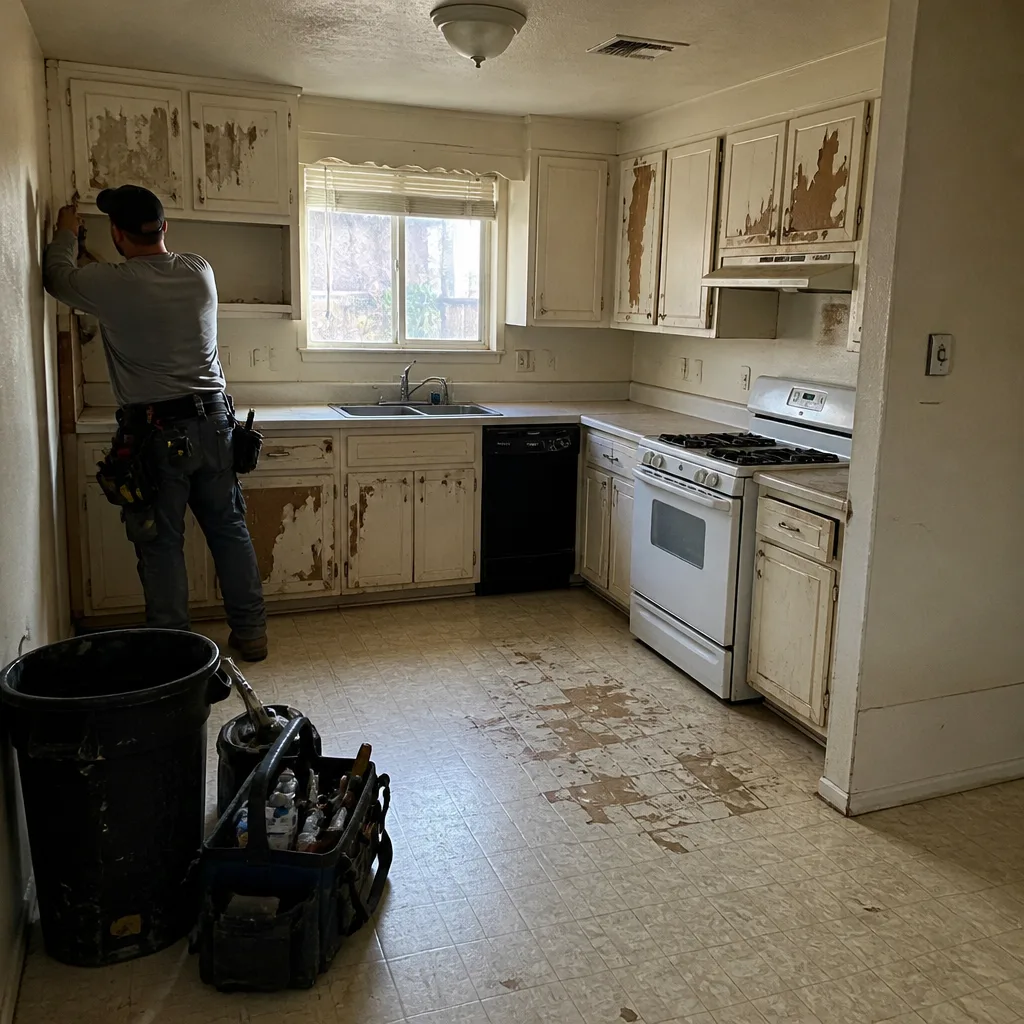 Before
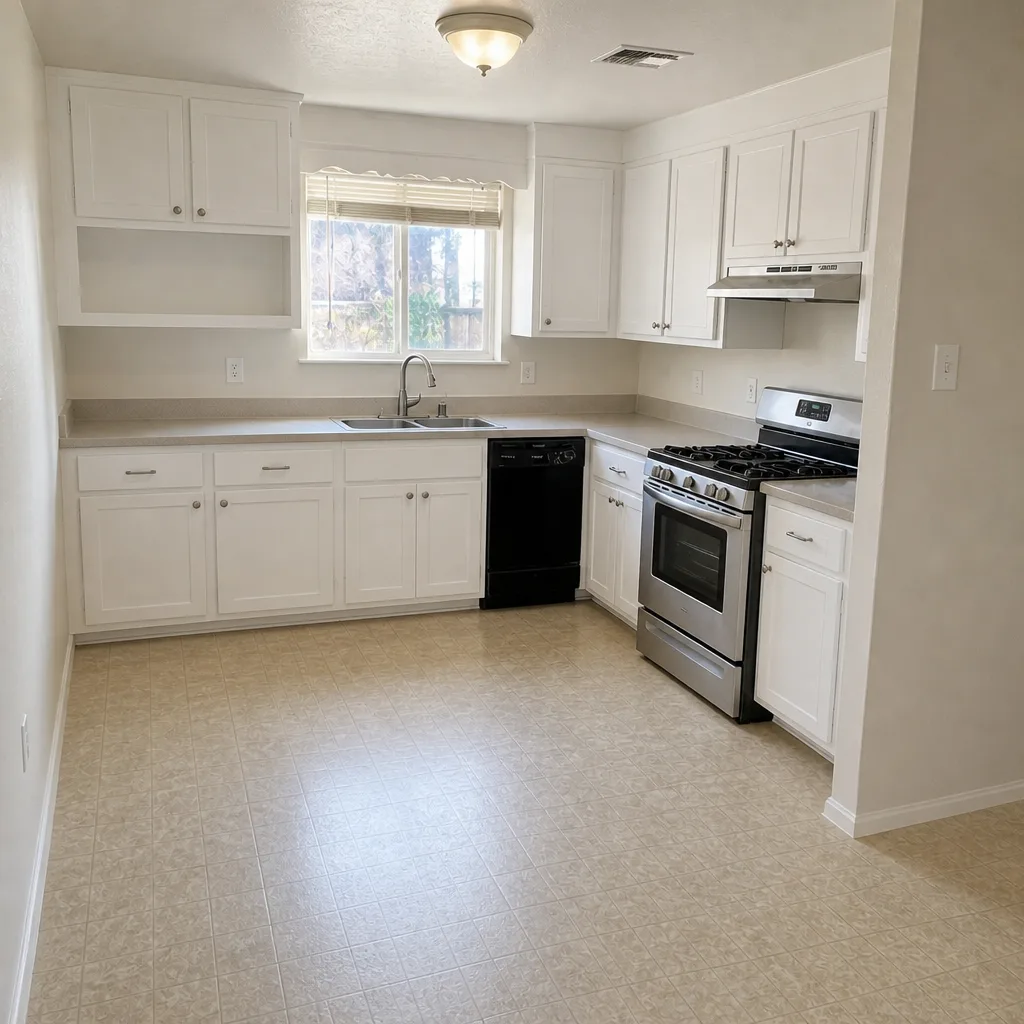 After
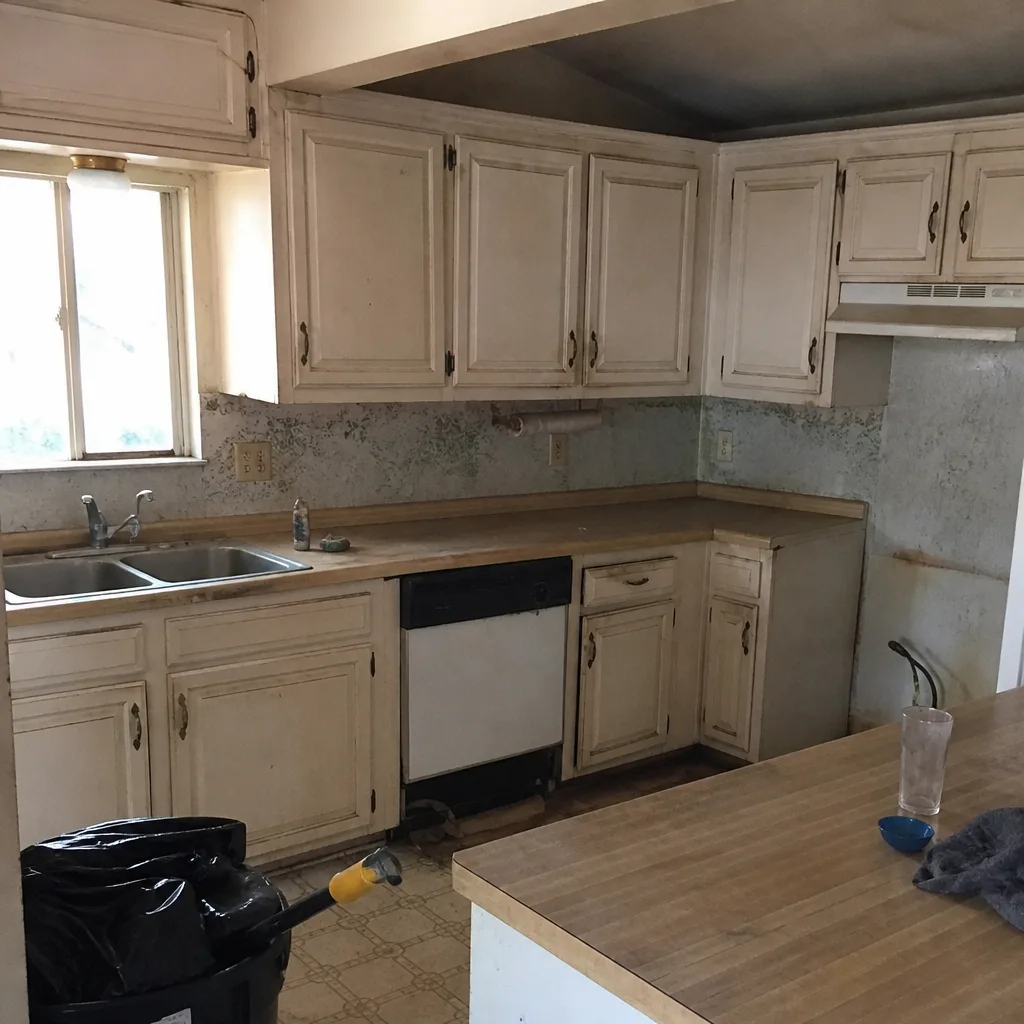 Before
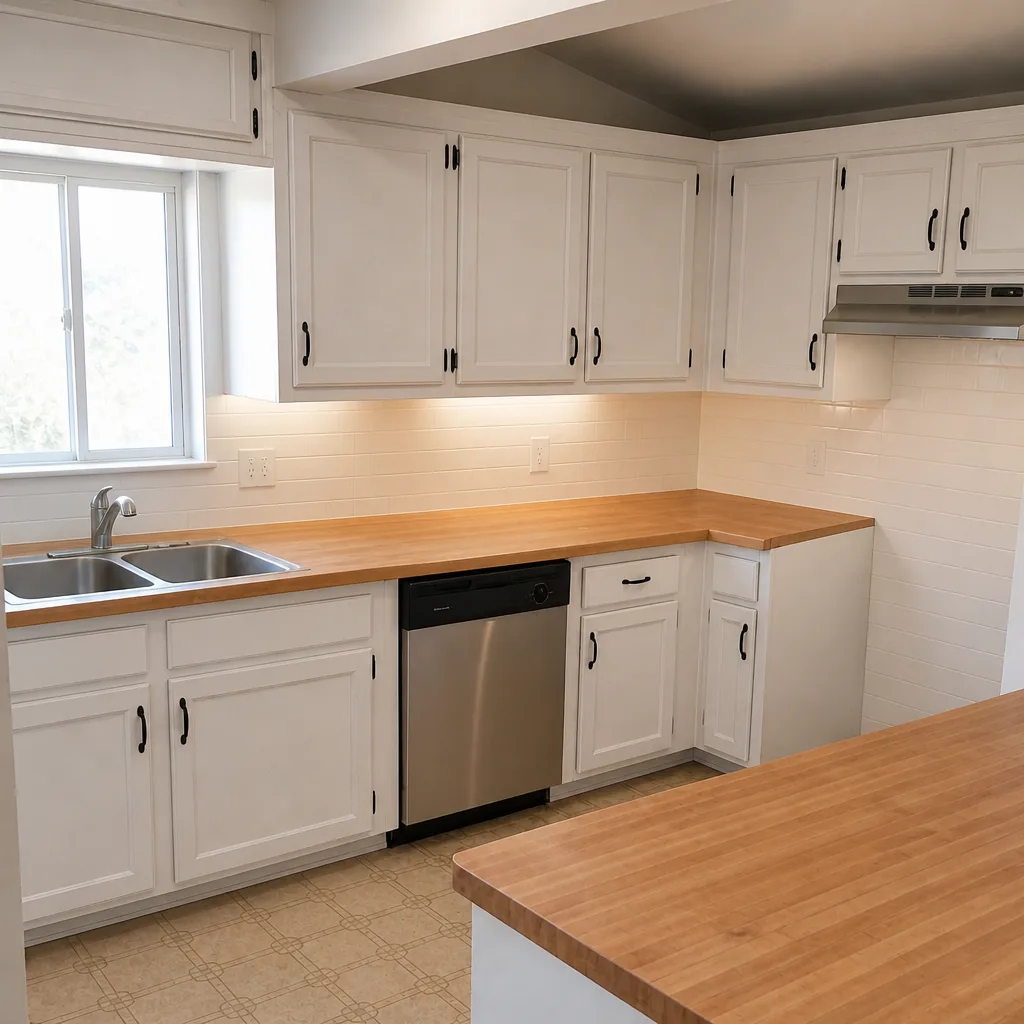 After
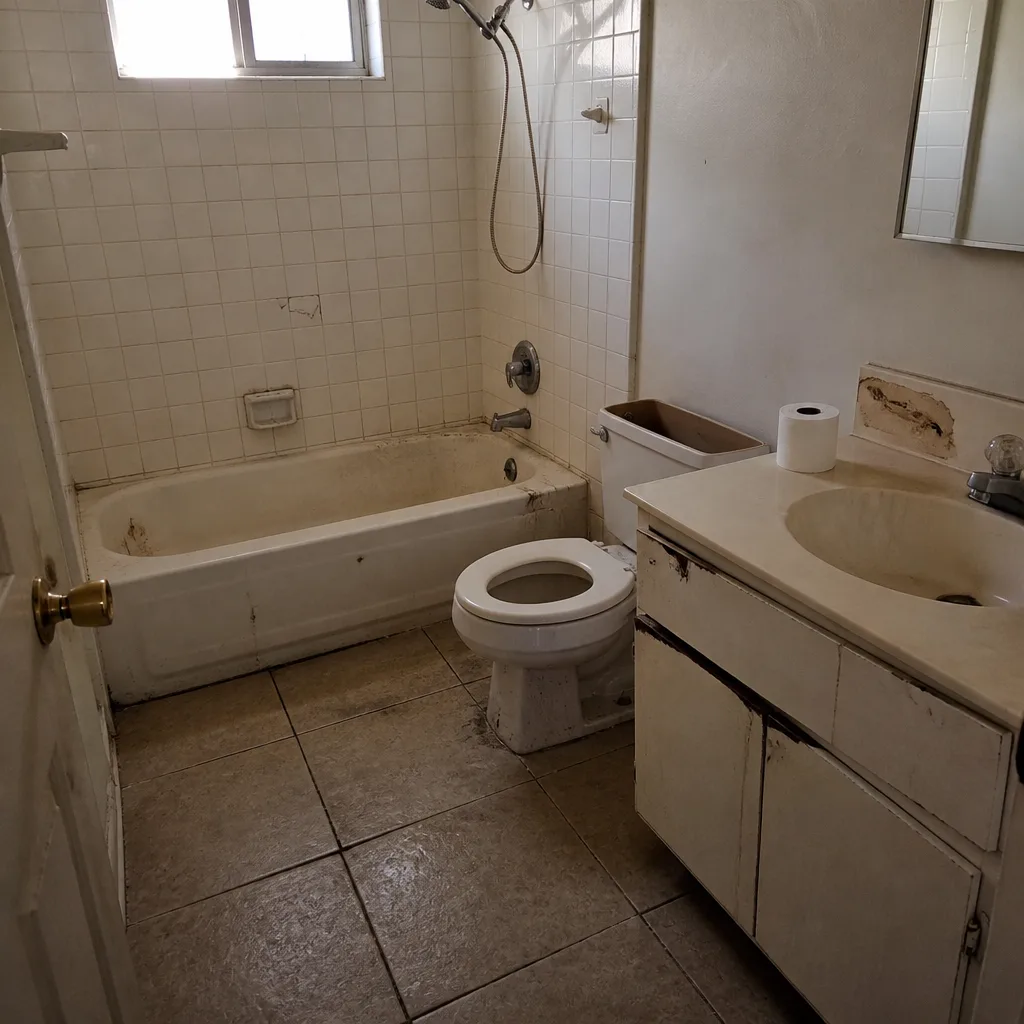 Before
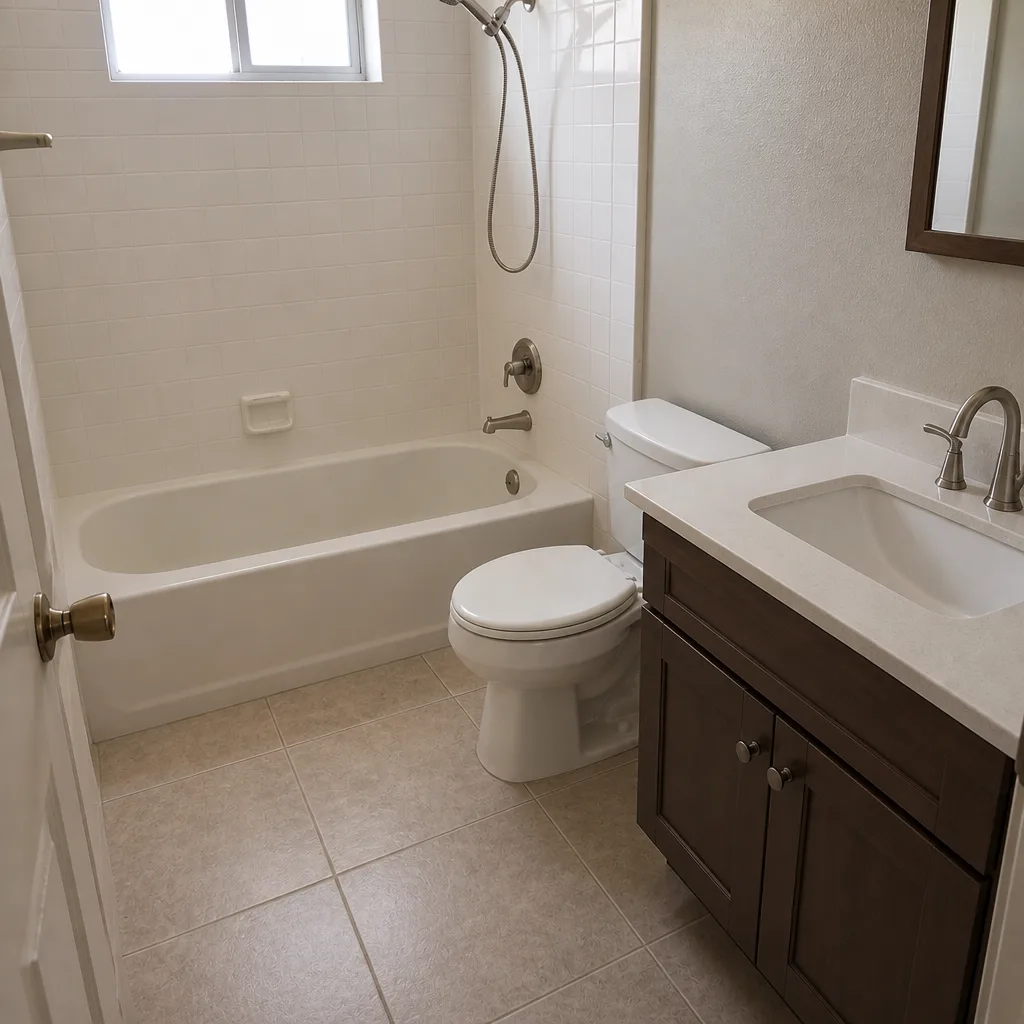 After