
Last updated November 17, 2026
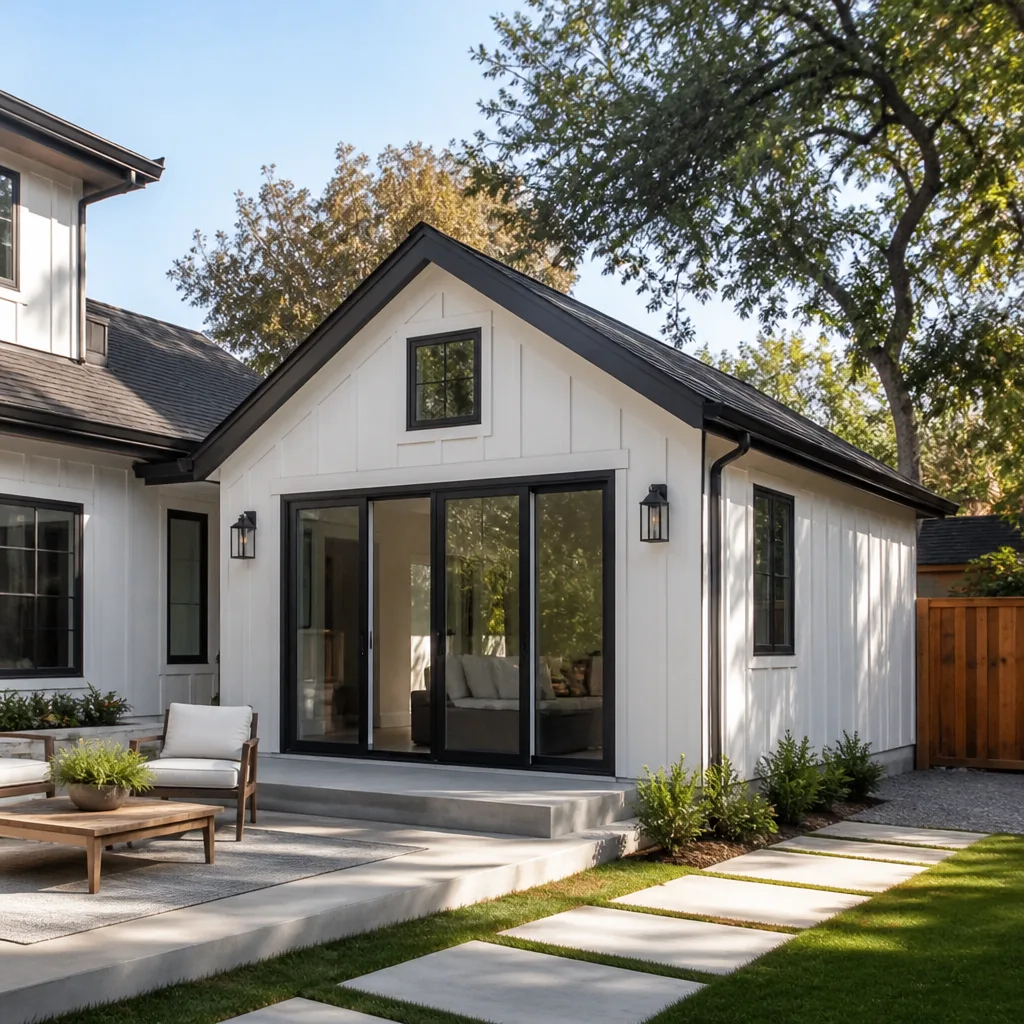 Home additions & ADU
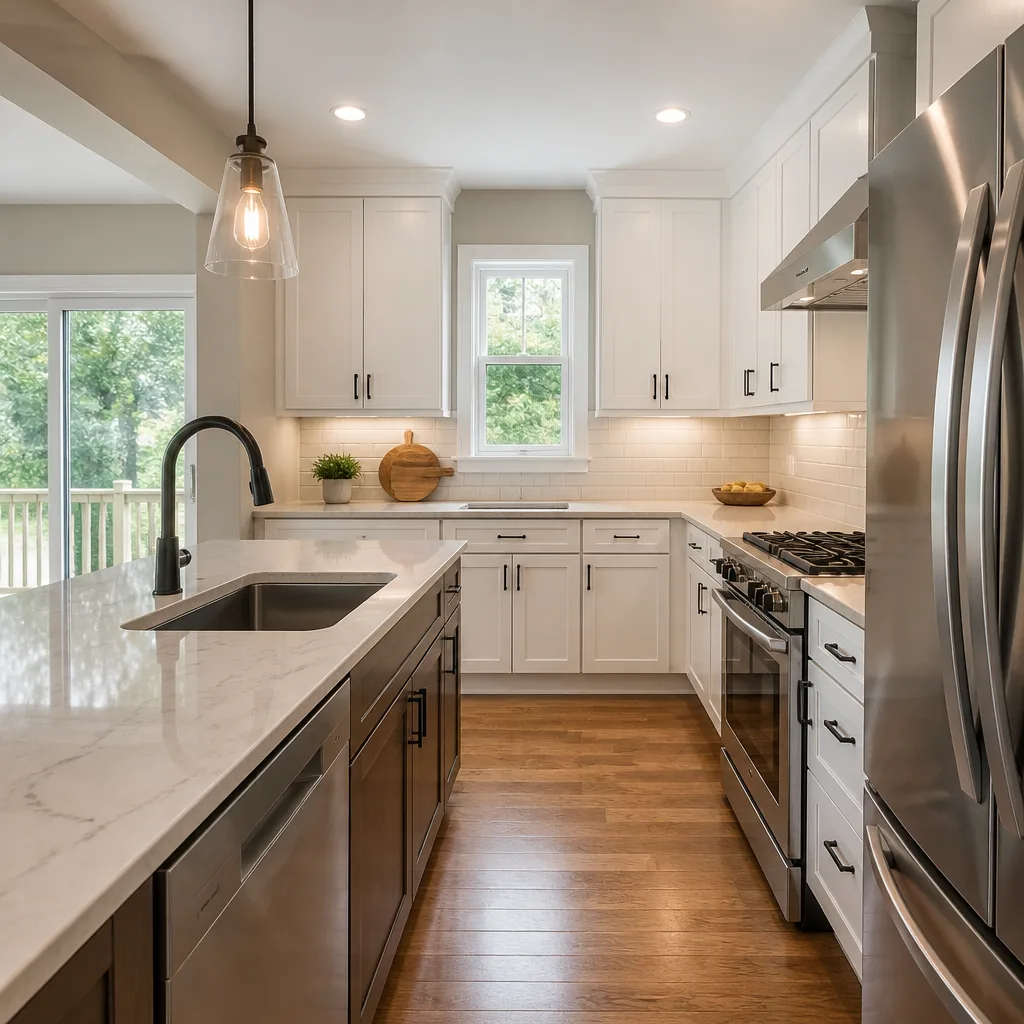 Kitchen remodeling
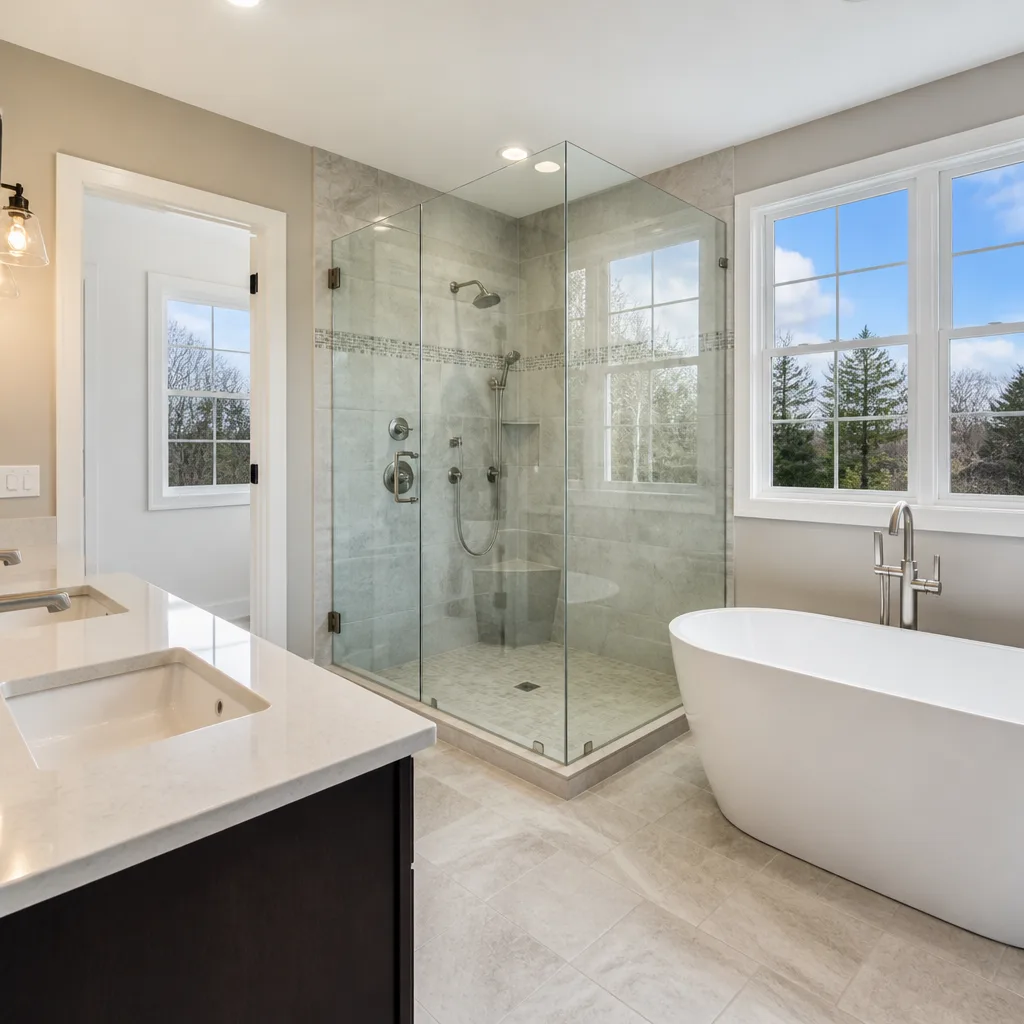 Bathroom remodeling
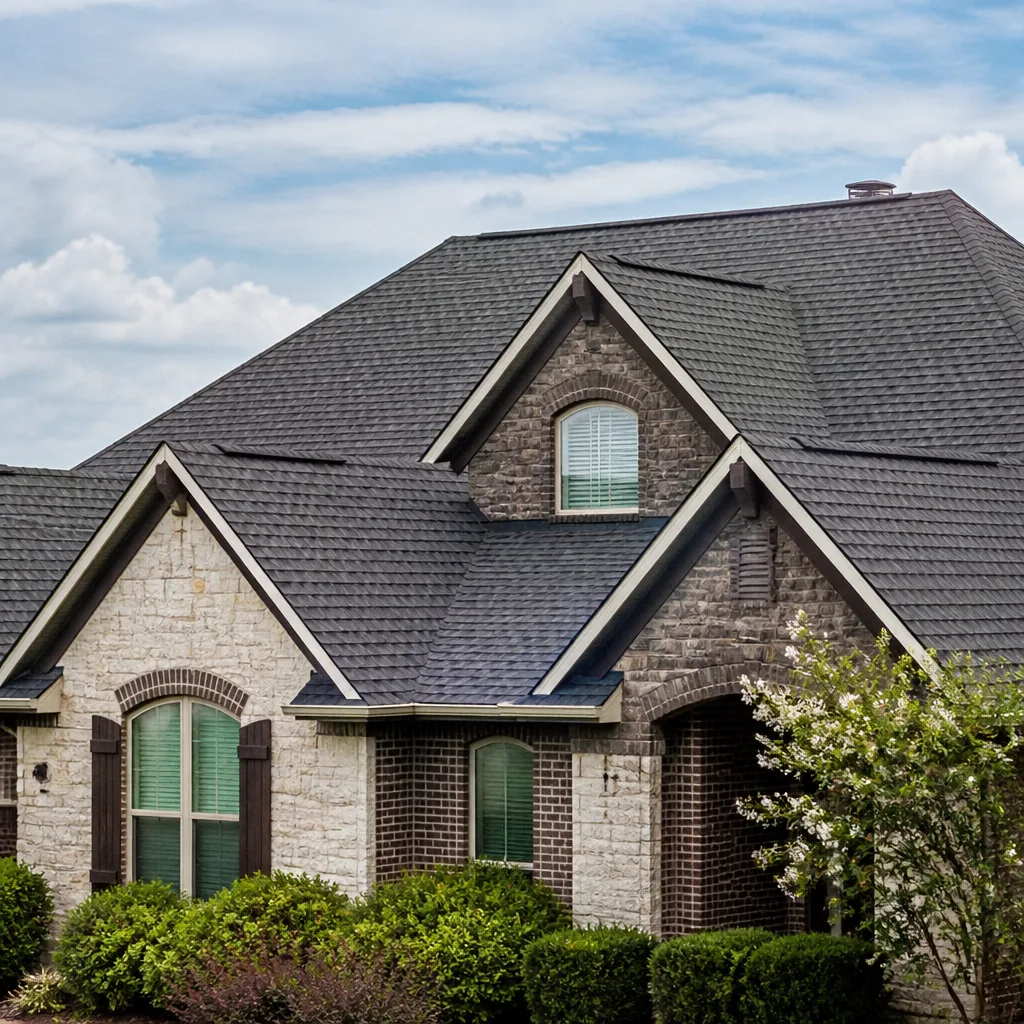 Roofing
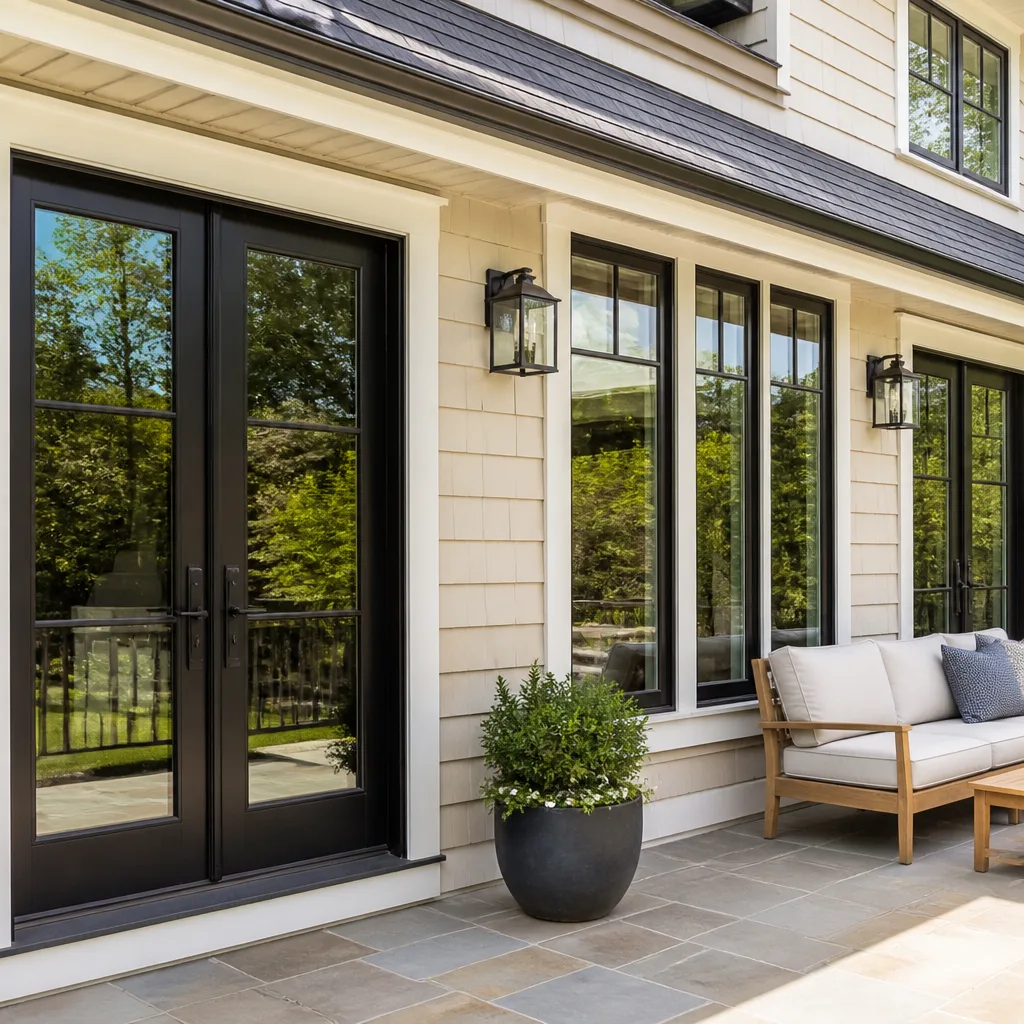 Windows & doors
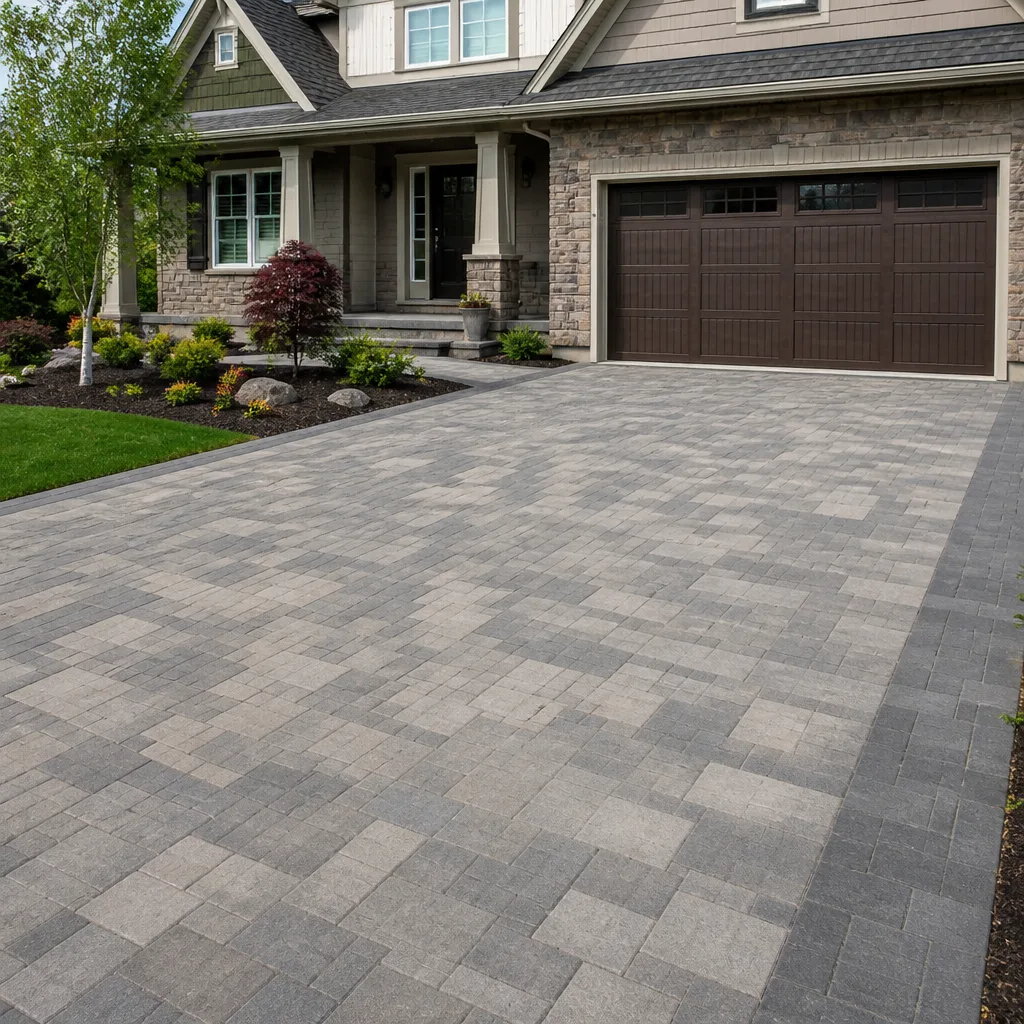 Driveway & pavers
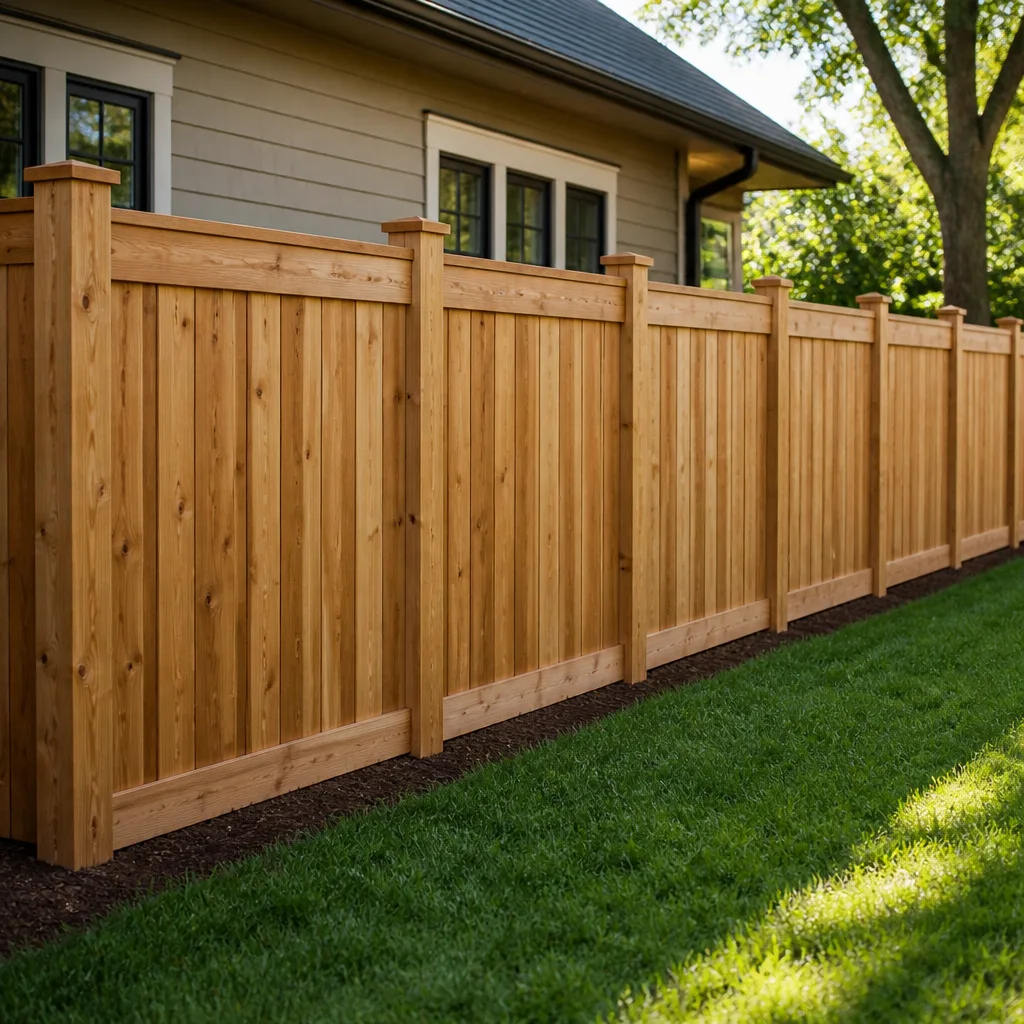 Fence
Free written scope consultation - allowances, timeline, and change-order rules on paper before a single trade is scheduled
DIY vs Professional Construction: The Las Vegas Homeowner’s Decision Guide
A homeowner who successfully reseals a driveway in a wetter, cooler climate with an off-the-shelf product from a big-box store can cause permanent paver staining doing the same job in Las Vegas, because surface temperatures here push some sealers past their viscosity threshold before they cure correctly. That single fact captures why the DIY-versus-professional question in Las Vegas is not really about how handy you are. It is about whether you can get your hands on desert-rated materials, whether you understand the sequencing, and whether you can work around a climate that makes outdoor labor impractical for four to five months of the year. This guide walks through the decision project by project so you know where doing it yourself genuinely saves money and where it reliably goes wrong.
Quick Answer
For most Las Vegas homeowners, the smart split is this: painting, minor tile work, cabinet hardware, and simple landscaping are genuinely DIY-safe, while anything touching electrical panels, gas lines, load-bearing walls, plumbing rough-in, roofing, or structural concrete belongs with a licensed professional. The deciding factors are not skill alone but material access, permit and code consequences, and whether the desert climate will punish a shortcut you can’t see. When a job involves structure, water, power, or a surface that bakes at high temperature, hiring out usually costs less than the remediation of getting it wrong.
Table of Contents
- Why Las Vegas Climate Changes the DIY Math
- The Project-by-Project Decision Matrix
- Hidden Costs That Make Cheap DIY Expensive Here
- The Material Access Gap
- Interior Projects: Where DIY Is Genuinely Safe
- Interior Projects That Carry Code and Insurance Consequences
- The Real Time Cost of DIY in Las Vegas Heat
- Permits, Codes, and Why Paperwork Matters
- When to Call a Professional
Why Las Vegas Climate Changes the DIY Math
Las Vegas is not a forgiving place for a first attempt. The same project that a homeowner completes in a mild climate without incident can fail here for reasons that have nothing to do with workmanship. The valley’s summer surface temperatures and low humidity create conditions that many retail-grade products were never engineered to handle, and the failure often shows up months later, well after the job looked finished.
Consider what happens with sealers and coatings. Many off-the-shelf products have a working temperature window. When you apply them to a paver or concrete surface that has been sitting in direct sun, the surface can be hot enough that the product thickens before it levels and cures evenly. The result is patchy coverage, trapped moisture, or discoloration that is difficult to reverse. A product that behaved perfectly on a shaded driveway in a cooler market can stain a Las Vegas driveway permanently. The material didn’t fail because it was cheap. It failed because the conditions were outside its design envelope.
The same logic runs through roofing, exterior paint, concrete, and anything with an adhesive or a curing chemistry. Desert performance is a real engineering category, and products built for it are not always the ones sitting on the retail shelf.
Then there’s the calendar. For four to five months a year, daytime heat makes outdoor work genuinely unsafe and impractical for most people. A DIY exterior project that would take a weekend in spring can stretch across weeks when you can only work early mornings or evenings. That changes the true cost of doing it yourself, and it changes how much of your summer you’re willing to spend on a driveway.
If you’re planning an exterior project and want to understand how the professionals sequence it, our guide to driveway & pavers walks through the material and prep decisions that matter most in this climate.
The Project-by-Project Decision Matrix
Not every job belongs in the same bucket. The honest answer to “should I DIY this?” depends on which of the seven common residential categories you’re looking at. Here’s how we’d break down the most frequent Las Vegas projects.
- Interior painting: DIY-safe. Masking, prep, and a quality coat are within reach for most homeowners. The only real risk is a poor prep job showing through, and that’s cosmetic.
- Cabinet hardware and minor tile: DIY-safe. Swapping pulls and knobs or replacing a small backsplash section is low consequence and reversible.
- Landscaping and mulch: DIY-safe. Planting, edging, and simple bed work carry no permit or structural risk.
- Fence installation: Borderline. A short decorative run is manageable, but property-line disputes, post depth in caliche, and gate sag make full perimeter work a professional job. Our fence installation page covers why post depth matters so much in this soil.
- Driveway and pavers: Professional. Base prep, compaction, and desert-rated sealer selection are where DIY driveways fail, and the failure is expensive to undo.
- Windows and doors: Professional. Improper flashing and sealing around openings is a leading cause of water intrusion and energy loss.
- Kitchen and bathroom remodels: Mixed. Cosmetic updates are DIY-friendly, but anything moving plumbing, gas, or electrical is not.
- Roofing: Professional, always. Heat, height, and the risk of a leak you can’t see make this a job for trained technicians.
- Home additions and ADUs: Professional. Structural, permitted, and coordinated work with multiple trades.
The pattern is clear: cosmetic and reversible work is fair game, and anything structural, wet, hot, or permitted is where DIY reliability drops off a cliff. Our home additions & ADU team sees the consequences of mis-sequenced additions more than any other category, because a small foundation or framing error compounds through every trade that follows.
Hidden Costs That Make Cheap DIY Expensive Here
The sticker price of a DIY project is almost never the real cost. What makes “cheap” exterior work expensive in Las Vegas is the remediation when the desert exposes the shortcut.
- Material failure under heat. A sealer or coating that cures wrong may need to be stripped and reapplied, and stripping a failed coating is often harder than the original application.
- Permit violations. Work done without a required permit can surface during a home sale, an insurance claim, or a later inspection, and the fix may mean opening up finished work to correct it.
- Water intrusion. A window or door installed without correct flashing can let water into a wall you can’t see until the damage is substantial.
- Paving and base failure. A driveway that wasn’t compacted to spec can settle and crack, and repairing it properly means removing pavers or concrete you just paid for.
- Insurance gaps. Unpermitted or improperly done work can complicate a claim, and that is a cost that only shows up years later.
The common thread is delayed discovery. A DIY job that fails quietly, underground or behind a wall, costs far more to fix than the professional version would have cost to do once. For homeowner work that touches real structure, professional remediation is the expensive path, not the premium one.
The Material Access Gap
Here’s a point most DIY advice skips: some of the products that make a real difference in desert performance simply aren’t sold through retail channels. A homeowners can buy a bag of Sakrete for a small concrete repair, and that’s a legitimate, useful product for its intended scope. But the commercial-grade sealers, base aggregates, and fasteners that hold up over years in Las Vegas are often specified and sourced through trade suppliers, not the aisle at the big-box store.
That gap has two effects. First, a homeowner using retail materials may get a result that looks fine for a season and then shows its limits. Second, the professional isn’t necessarily using “better” materials in some vague sense. They’re using materials that were selected for the job’s actual conditions, with manufacturer guidance on temperature range, coverage, and cure time that determines whether the product performs.
We make a habit of naming the brands before the contract is signed. For a remodel, that might mean KraftMaid or Wellborn cabinetry, Cambria, Silestone, or Caesarstone countertops, and fixtures from Kohler, Moen, or Grohe. For a roof, it means GAF, CertainTeed, or Owens Corning installed to manufacturer spec so the warranty stays intact. The point isn’t brand loyalty. It’s that you can see exactly what’s going in and compare it against what you’d be able to buy yourself.
The same transparency matters for prefab additions. Brands like Abodu, Dvele, and Plant Prefab offer paths to extra square footage that a homeowner can’t assemble alone but can absolutely understand and compare. Our team at Las Vegas Construction Co treats that comparison as part of the service, not a sales step.
Interior Projects: Where DIY Is Genuinely Safe
We don’t want to talk anyone out of doing the projects they can do well. Interior work that is cosmetic, reversible, and low-risk is a legitimate way to build equity and learn your home. Here’s where DIY makes sense.
- Painting interior walls and ceilings. The main skill is prep, and the risk is cosmetic.
- Swapping cabinet hardware. Pulls, knobs, and drawer slides are easy swaps that refresh a kitchen without touching a single wire.
- Minor tile repair. Replacing a cracked tile or touching up grout is within reach for a careful homeowner.
- Installing shelving and closet systems. Anchored properly into studs, this is low consequence.
- Cosmetic bathroom updates. New mirrors, towel bars, and paint can transform a bathroom without moving plumbing.
What separates this list from the risky one is that a mistake here stays cosmetic. You notice it immediately, and you can fix it without opening a wall or pulling a permit. The moment a project involves water lines, gas, or electrical rough-in, it moves to the next section.
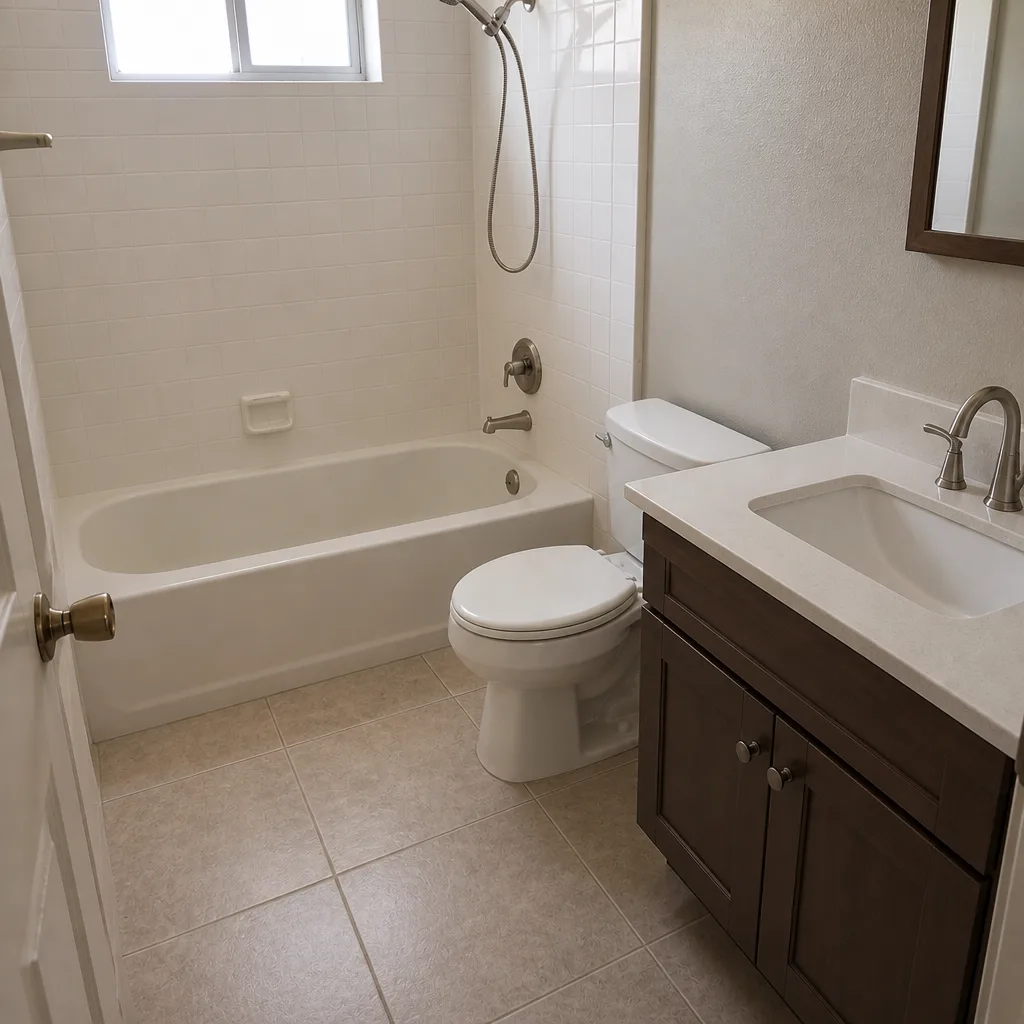
If you’re planning a bigger cosmetic refresh, our bathroom remodeling services cover the projects that cross from cosmetic into structural, and we’re happy to tell you honestly which side your list falls on.
Interior Projects That Carry Code and Insurance Consequences
This is where the DIY decision stops being about skill and becomes about risk. A few common interior projects carry consequences that go well beyond a cosmetic do-over.
Electrical panel and wiring work is the clearest example. Electrical mistakes can cause shocks, fires, and failed inspections, and the work is almost always permitted. Moving a breaker, adding a circuit, or replacing a panel is a job for a licensed electrician. When we remodel a kitchen, the electrical scope runs through a licensed trade for the same reason.
Load-bearing wall modification is the second. Removing a wall is a structural decision. A wall that looks decorative can be carrying load, and cutting it without an engineered solution can sag a floor or crack a ceiling. The fix is expensive and involves re-engineering what was removed.
Plumbing rough-in is the third. Moving supply and drain lines is invisible work, and a slow leak behind a finished wall can rot framing for months before you notice. Bathroom and kitchen relocations almost always trigger a permit and an inspection precisely because the risk is hidden.
Gas appliance installation belongs here too. Gas work is regulated and dangerous, and a homeowner installing a gas range or dryer connection without the proper knowledge is taking a real risk.
The through-line is that these jobs are inspected and permitted for a reason. Skipping that step can void coverage or complicate a sale, and the cost of going back to correct unpermitted work is usually higher than having done it right once.
The Real Time Cost of DIY in Las Vegas Heat
Dollar cost gets all the attention, but time is the hidden variable in every DIY decision here, and Las Vegas heat makes it nonlinear. For four to five months of the year, the practical window for outdoor work shrinks to early mornings and evenings, and the heat itself slows people down.
Here’s a realistic way to think about time:
- Estimate the working hours, not the elapsed days. An exterior project that takes 30 working hours might fit a single spring weekend or stretch across six weeks of limited heat windows.
- Account for the learning curve. A first-time paver or fence job includes research, tool sourcing, and mistakes that a professional has already worked through.
- Add the redo risk. A failed sealer or a fence that sags means doing the job twice, and the second attempt costs the same hours plus the original.
- Value your own time at a real rate. A weekend isn’t free, and a project that consumes your summer has a cost even if no money changes hands.
The advantage of hiring out isn’t only speed. It’s that the professional has already absorbed the learning curve and can sequence the job so it finishes before the peak heat. Our technicians have up to 8 years of experience, and that experience is largely about knowing which steps can’t be compressed. When we scope a summer project in Las Vegas, we schedule around the heat rather than fighting it.
Permits, Codes, and Why Paperwork Matters
Most cities require a permit for structural, electrical, plumbing, and gas work, and Las Vegas is no different. The specific requirements depend on your project and your jurisdiction, so the right first step is a call to the city’s building department to confirm what your job needs. A professional who pulls permits and passes inspections gives you a paper trail that protects you at resale and on an insurance claim.
What a permit buys you is third-party verification. An inspector checks the work at key stages, which is valuable for anything hidden behind drywall or underground. That protection is exactly what a DIY job skips, and it’s why a homeowner who later sells a home with unpermitted work may face corrections or a stalled closing.
On the material side, doing work to manufacturer spec matters for the same reason. When we install GAF, CertainTeed, or Owens Corning roofing, or Belgard and Unilock pavers, we install to the manufacturer’s guidelines so the product warranty stays valid. That’s not a marketing line. It’s a real protection that a homeowner-installed product may not have.
Styles & brands we work with
- Kitchen remodeling
- Bathroom remodeling
- Home additions & ADU
- Roofing
- Windows & doors
- Driveway & pavers
- Fence
Common Mistakes to Avoid
- Applying sealers on a hot surface. The most common desert DIY error is coating a surface that’s too warm, which causes uneven cure and staining that’s hard to reverse. Read the temperature range on the product and work early in the day.
- Skipping base prep on pavers. A paver driveway is only as good as its compacted base. Cutting that corner guarantees settling and cracking within a season or two.
- Doing electrical without a permit. Electrical work in Las Vegas is permitted for a reason. Unpermitted wiring is a fire risk and a resale problem.
- Removing a “decorative” wall. That wall may be structural. Confirm with a professional before you swing a hammer.
- Installing windows without proper flashing. A window that looks fine can leak behind the wall. Flashing and sealing are the whole job.
- Budgeting money but not time. A project that drags across a hot summer has a real cost in hours, not just dollars.
- Assuming retail materials equal trade materials. Many desert-rated products aren’t on the retail shelf. The gap shows up as premature failure.
See the difference
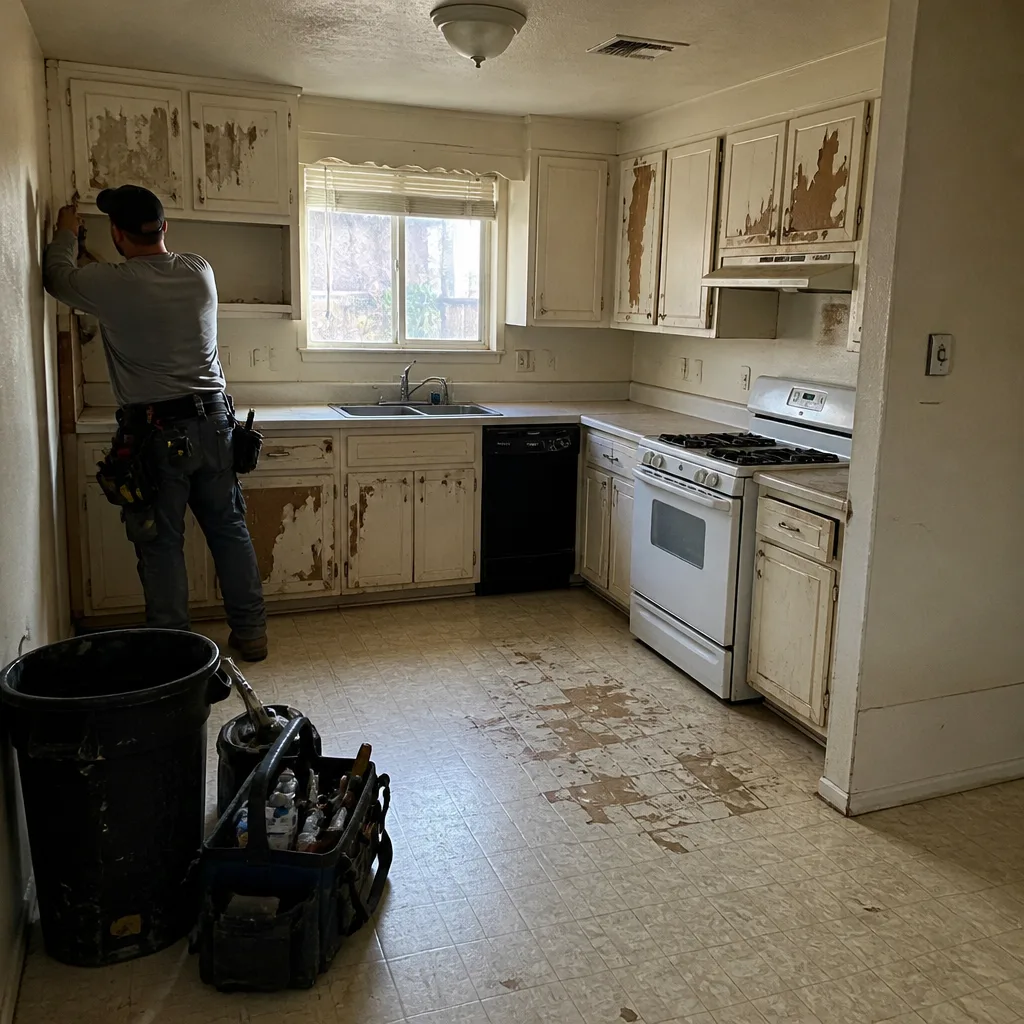 Before
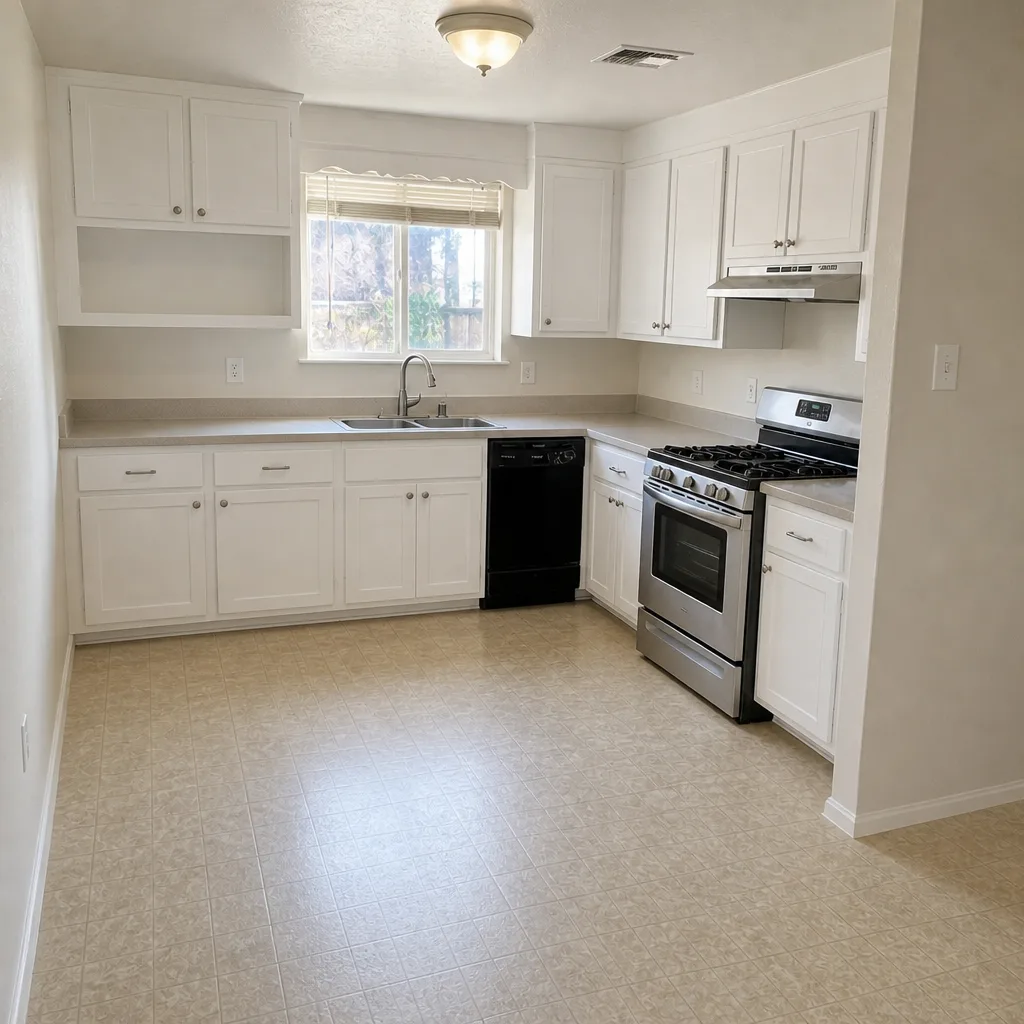 After
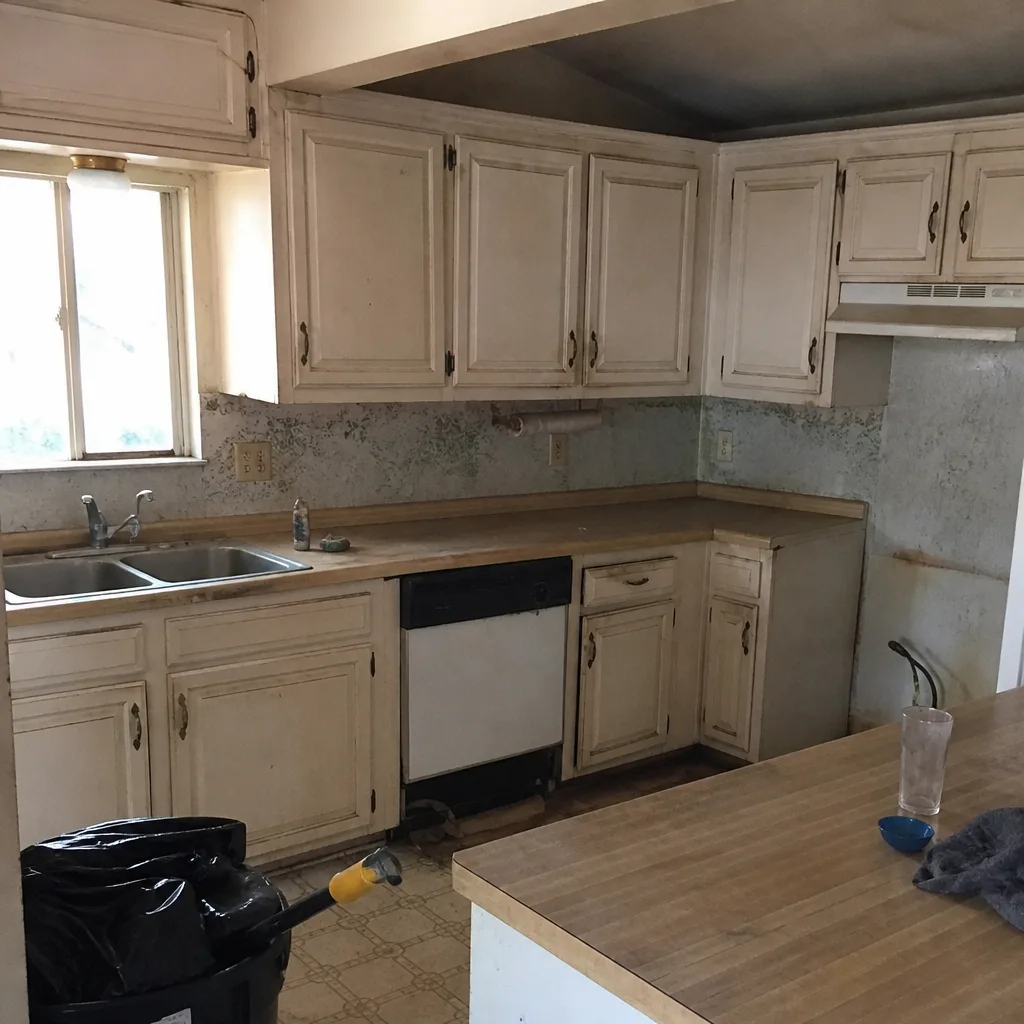 Before
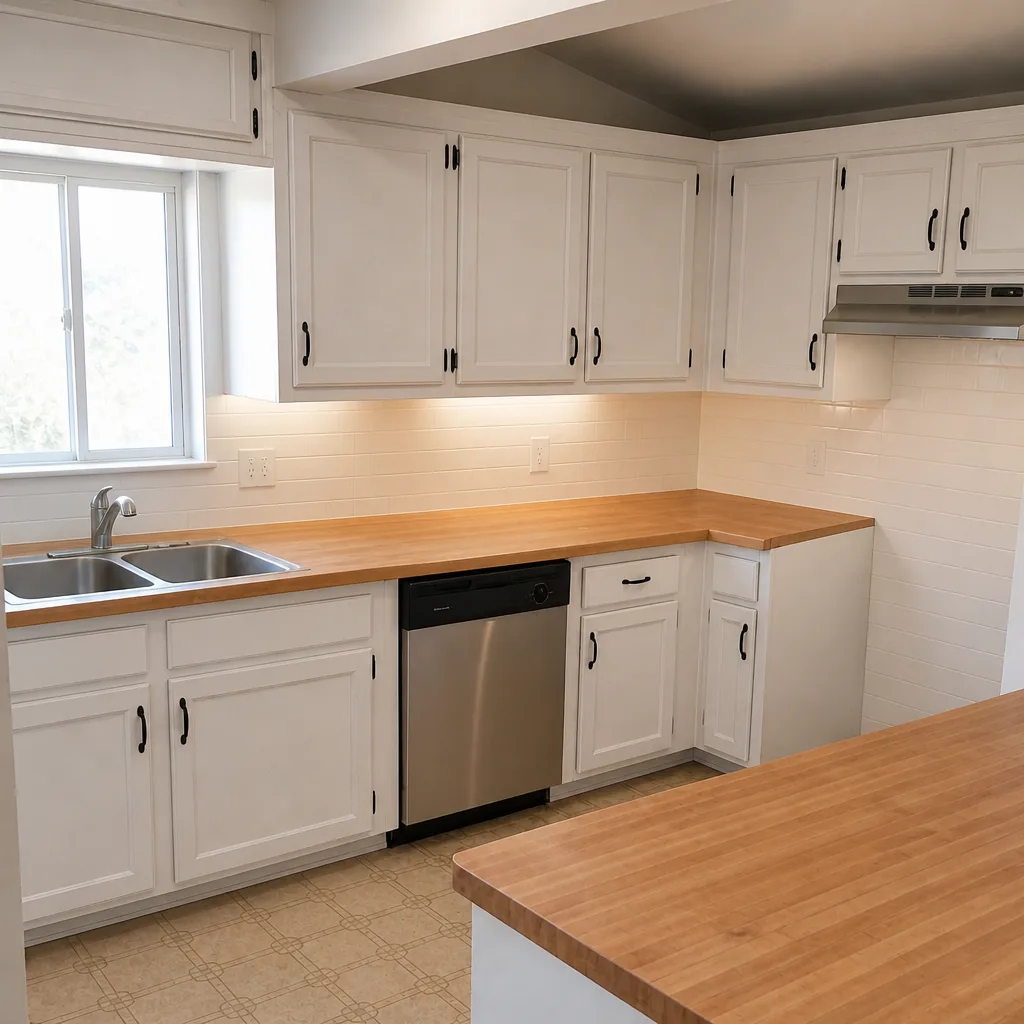 After
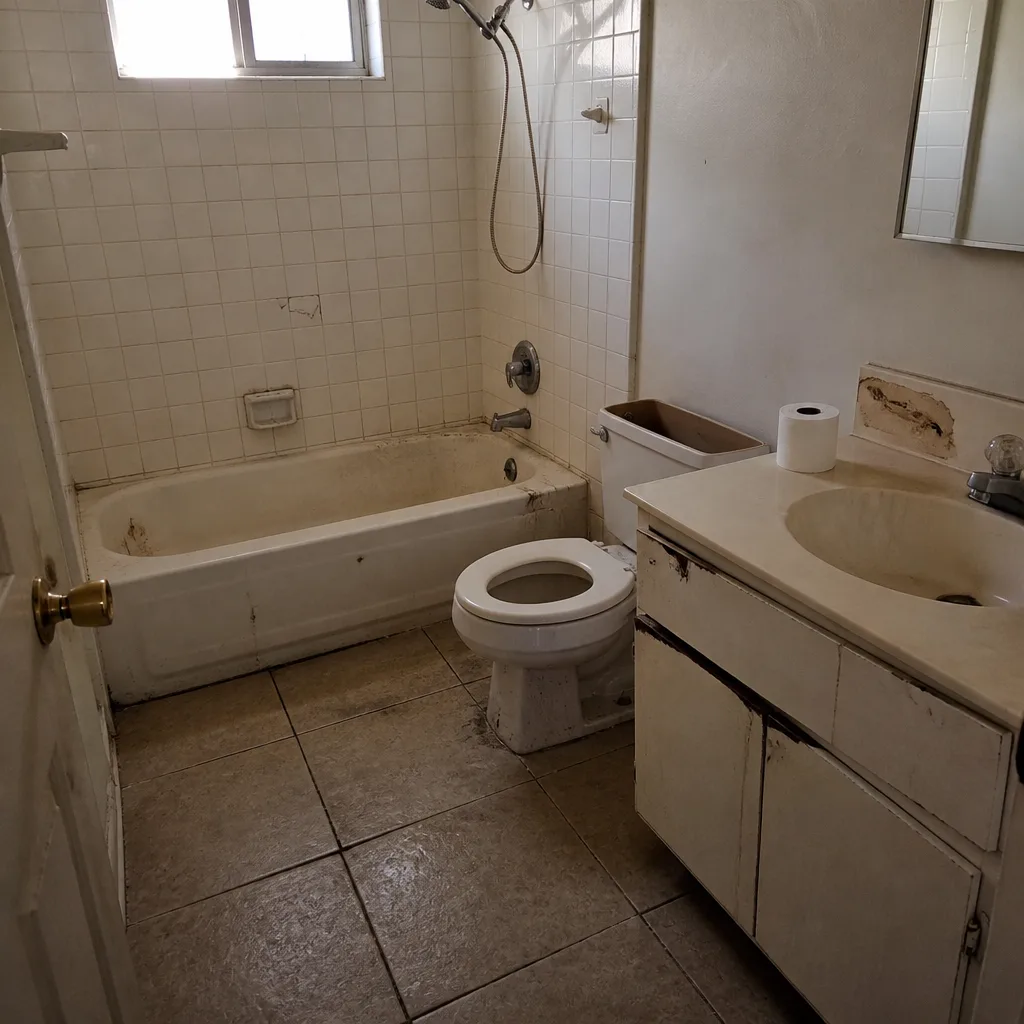 Before
 After
When to Call a Professional
Call a professional when your project is structural, wet, hot, or permitted. That means roofing, foundation and paving, window and door installation, any electrical panel or wiring, plumbing rough-in, gas work, load-bearing wall changes, and anything requiring a permit and an inspection. It also means any exterior surface that will sit in direct desert sun and needs to cure correctly. These are the jobs where a shortcut is invisible at first and expensive later.
Las Vegas Construction Co offers free estimates in Las Vegas. We’ll tell you honestly which parts of your project are worth doing yourself and which aren’t, and if you want us to handle the whole thing from the curb to the kitchen, we can do that too. Call (844) 629-1061. We answer 24/7. Fast dispatch from 7am to 7pm, Sunday through Friday.
Frequently Asked Questions
You can, but it’s one of the least forgiving DIY projects here. Base compaction, edge restraint, and desert-rated sealer selection are the three points where DIY paver driveways most often fail, and the failure shows up as settling or staining within a season. Call (844) 629-1061 for a free estimate if you want the base done once and done right.
A homeowner may be allowed to do some work on their own home, but electrical work is regulated and usually requires a permit and inspection, and the rules depend on your jurisdiction. Most panel and wiring jobs should go to a licensed electrician because the risk is hidden and the consequences are serious. Call (844) 629-1061 to talk through your project first.
Surface temperature is the usual cause. When you apply certain sealers to a surface that’s been sitting in direct sun, the product can thicken past its intended viscosity before it cures evenly, which causes patchy coverage and staining. The fix is often stripping and reapplying, which is exactly the situation a professional sealer selection avoids. Call (844) 629-1061 if you’re resealing a driveway.
Never DIY anything structural, gas, electrical panel work, or roofing. Load-bearing wall removal, plumbing rough-in, and window installation without proper flashing all carry hidden risks that surface later as water damage, fire risk, or a failed inspection. Call (844) 629-1061 for a free estimate on any of these.
The repair cost varies by project, but the pattern is consistent: opening finished work to correct it costs more than doing the job right once. Unpermitted work can also stall a home sale or complicate an insurance claim. Call (844) 629-1061 for a free written estimate so the price is set before work starts.
It isn’t realistic for a typical homeowner. An ADU involves structural design, permits, multiple trades, and utility connections, which is why prefab and modular options like Abodu and Dvele exist to reduce the complexity. Call (844) 629-1061 to compare a prefab path against a stick-built addition.
The Bottom Line
The DIY-versus-professional question in Las Vegas is less about skill and more about materials, sequencing, and the climate. Cosmetic, reversible work like painting and hardware is genuinely worth doing yourself. Structural, wet, hot, or permitted work is where DIY reliably fails, and the failure usually costs more than the professional version would have. If you can’t get the desert-rated product, can’t work the schedule around the heat, or can’t obtain a permit and pass an inspection, hiring out protects you from the hidden cost. The estimate should always come first. Las Vegas Construction Co offers free written estimates in Las Vegas. Call (844) 629-1061. We answer 24/7. Fast dispatch from 7am to 7pm, Sunday through Friday, and the written estimate sets the final price.
Written by the team at Las Vegas Construction Co.