
Last updated November 17, 2026
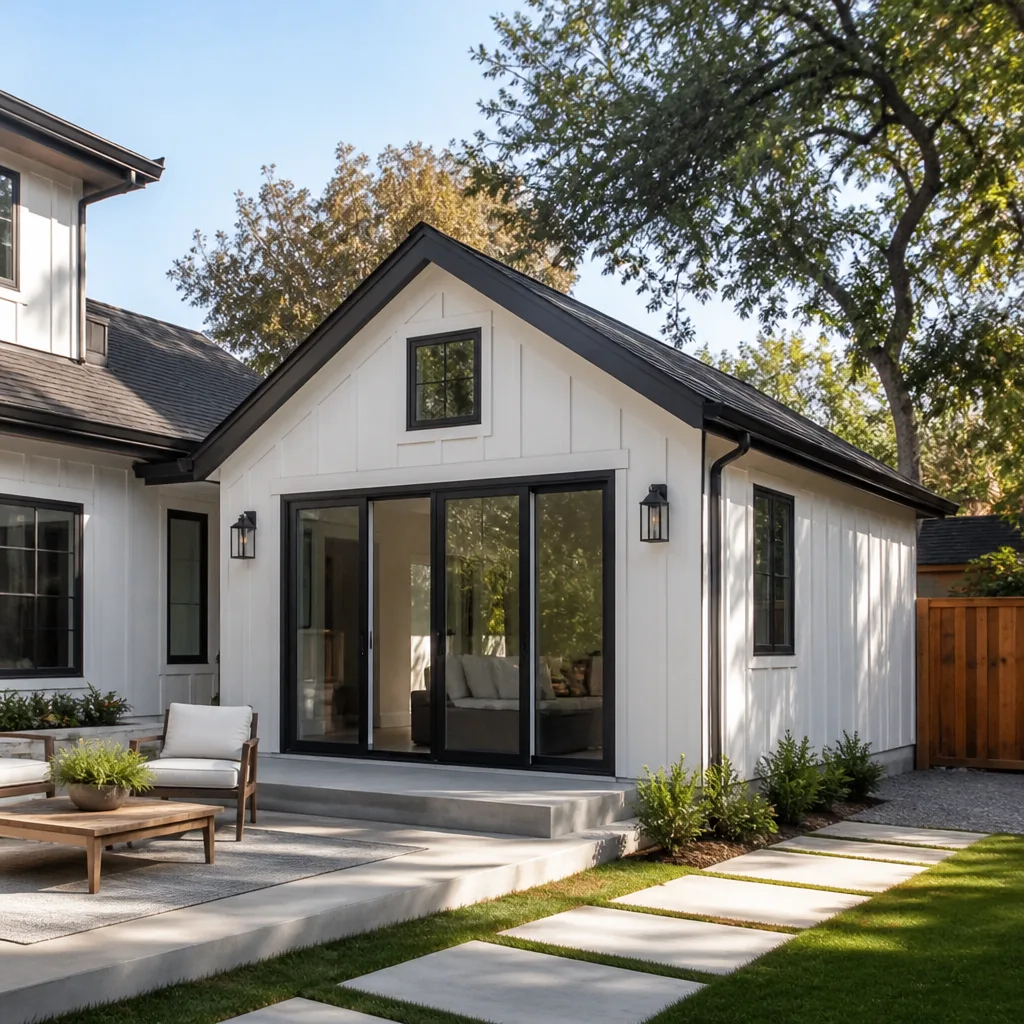 Home additions & ADU
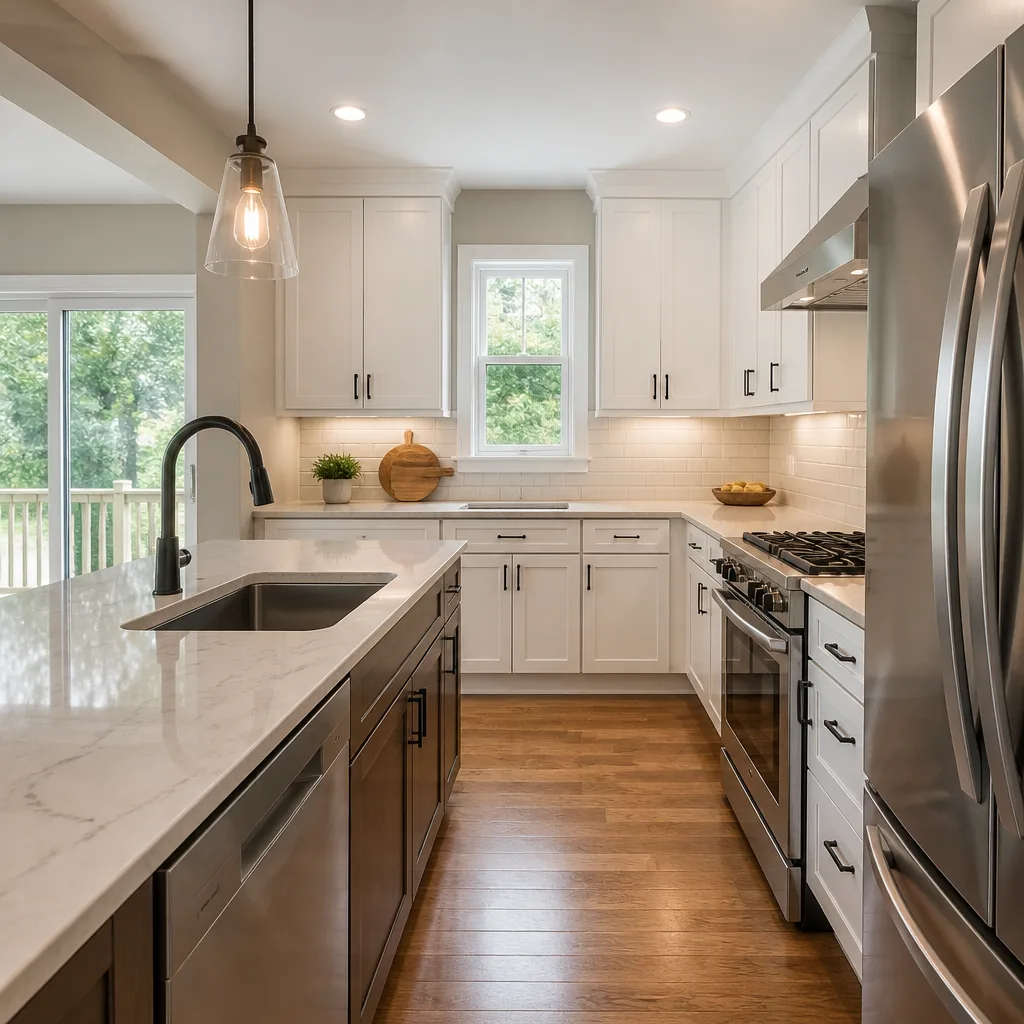 Kitchen remodeling
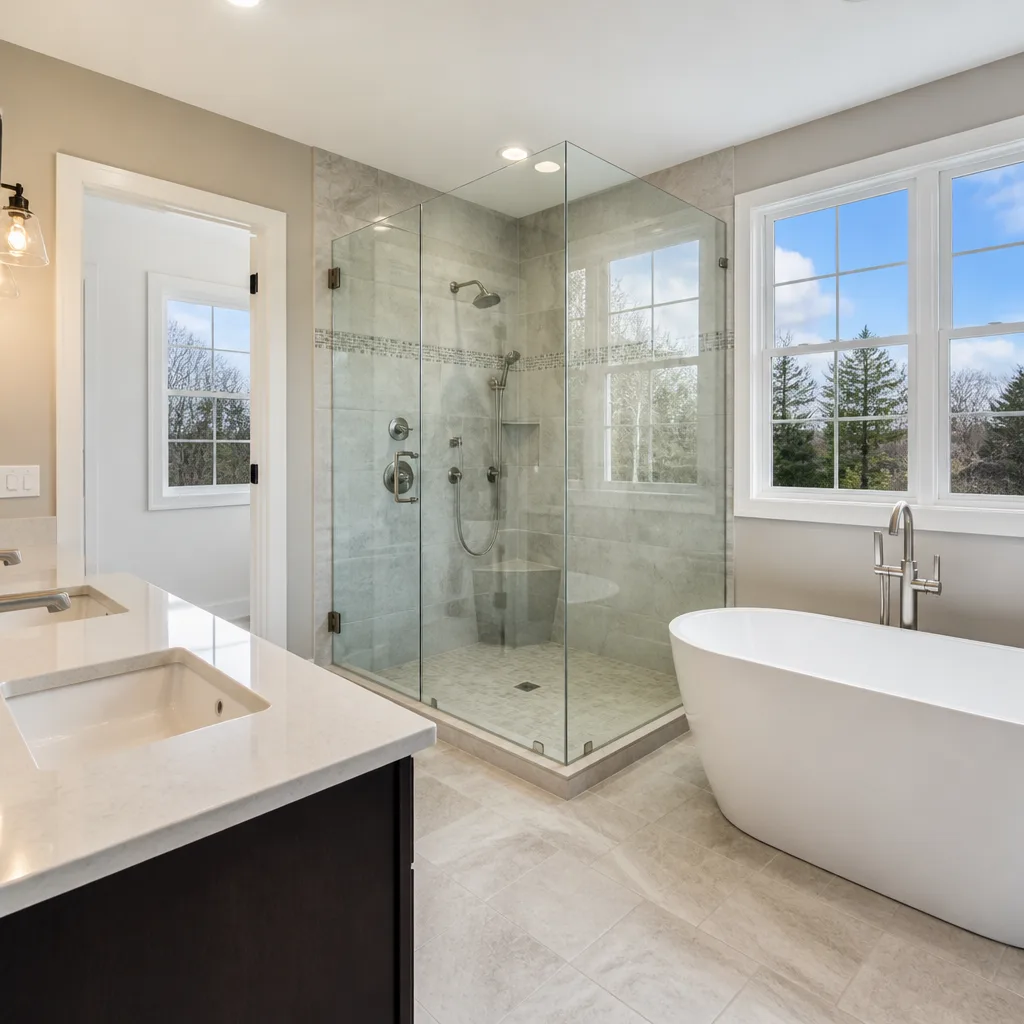 Bathroom remodeling
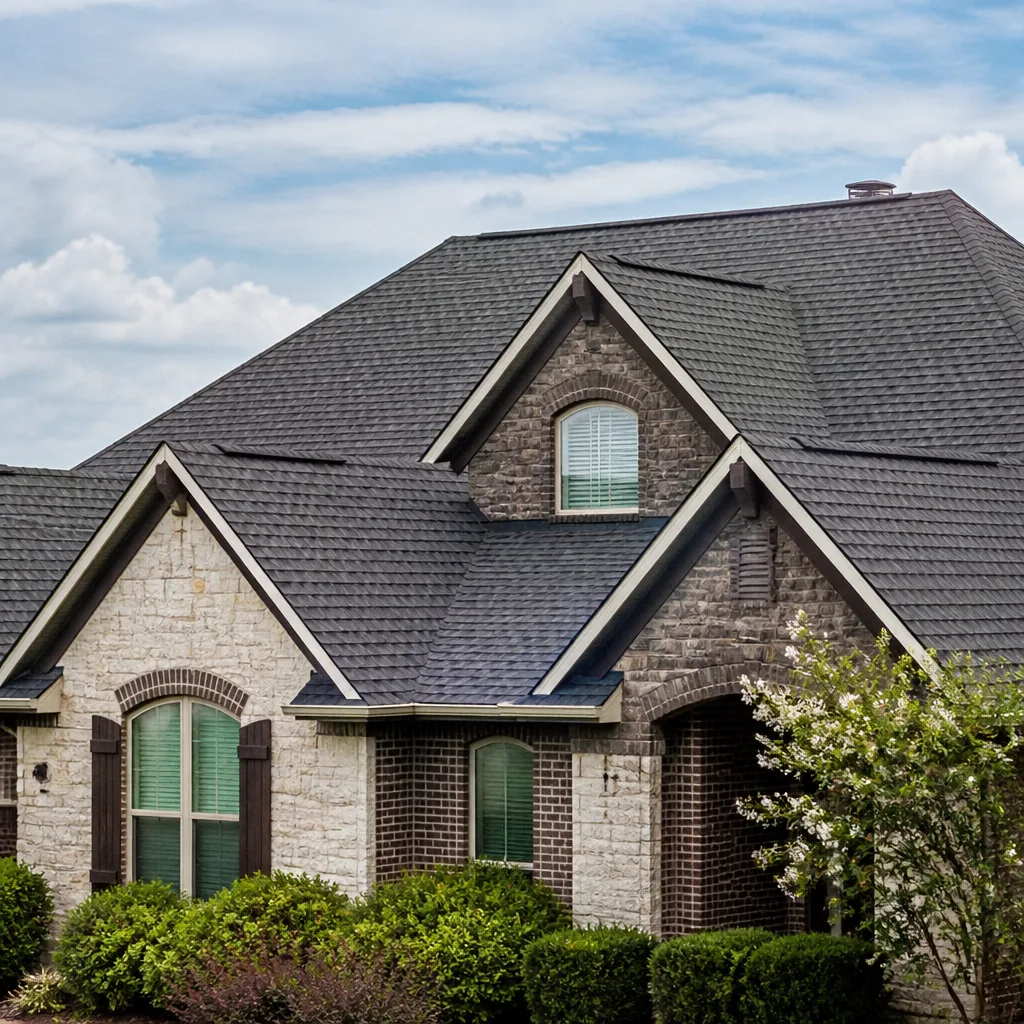 Roofing
 Windows & doors
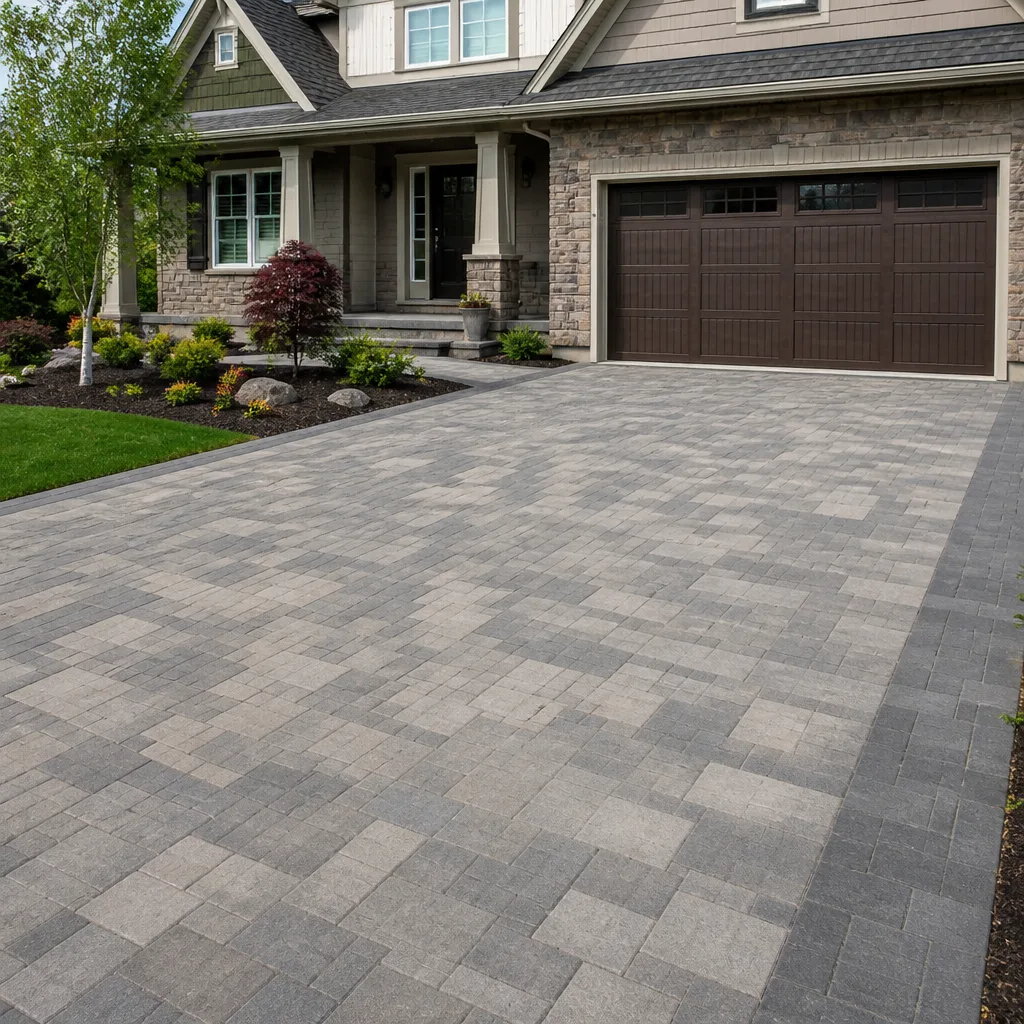 Driveway & pavers
 Fence
Free written scope consultation - allowances, timeline, and change-order rules on paper before a single trade is scheduled
Construction Cost Breakdown: The Las Vegas Homeowner’s Reference for 2026
Most construction cost guides will tell you a roof replacement in Las Vegas costs “about the national average, adjusted for your region.” That’s the mistake. There is no Las Vegas average that gets pulled cleanly from a national dataset, because two forces here bend every number: a labor market that swings with casino and resort construction, and a desert climate that quietly demands product specs most cost databases never price. The result is that homeowners budgeting from a national calculator often come up short on exterior work without understanding why. This guide breaks down what the most common residential projects actually run in Las Vegas in 2026, where the money goes, and how to read a quote well enough to spot whether it was written for this valley or copy-pasted from a template.
Quick Answer
In 2026, typical Las Vegas residential construction budgets break down roughly like this: a paver driveway runs about $12 – $22 per square foot installed, a roof replacement about $9,000 – $24,000 depending on roof size and material, a full kitchen remodel about $28,000 – $75,000, a bathroom remodel about $14,000 – $38,000, and a detached ADU addition about $180 – $320 per square foot. The written estimate always sets the final price, and these ranges are estimates for planning, not quotes. What moves any project above or below those bands is labor timing, desert-rated material upgrades, and how much hidden site work gets discovered after demolition.
Styles & brands we work with
- Kitchen remodeling
- Bathroom remodeling
- Home additions & ADU
- Roofing
- Windows & doors
- Driveway & pavers
- Fence
Table of Contents
- What do common Las Vegas construction projects cost in 2026?
- How does Las Vegas labor volatility affect your bid?
- What do desert-rated materials actually cost, and are they worth it?
- Which Las Vegas projects run over budget, and why?
- How do you read a quote to tell if it’s priced for the desert?
- When in the year do Las Vegas homeowners get better contractor availability?
- What drives cost in driveways and roofs specifically?
- What drives cost in kitchens, bathrooms, and ADUs?
What Do Common Las Vegas Construction Projects Cost in 2026?
Start with the ranges most homeowners are actively pricing. These are typical 2026 estimates for residential work in the Las Vegas valley, and they assume standard site conditions with no major surprises uncovered at demolition. Treat the bottom of each range as value-tier materials and the top as premium-tier brands.
| Project | Typical 2026 Estimate | Notes |
|---|---|---|
| Paver driveway | $12 – $22 per sq ft installed | Higher end reflects premium Belgard or Techo-Bloc lines and base prep for caliche |
| Concrete driveway | $8 – $14 per sq ft | Standard spec; desert-cured mix adds a little |
| Fence installation (per linear ft) | $28 – $65 per linear ft | Block wall at the top, ornamental steel and vinyl in the middle |
| Roof replacement (asphalt shingle) | $9,000 – $24,000 | Depends on roof size, pitch, and underlayment spec |
| Roof replacement (tile) | $18,000 – $42,000 | Tile install labor is the big swing |
| Kitchen remodel | $28,000 – $75,000 | Cabinetry and countertops drive most of the spread |
| Bathroom remodel | $14,000 – $38,000 | Fixtures and tile tier determine placement |
| Detached ADU addition | $180 – $320 per sq ft | Prefab sits lower, stick-built with custom finishes sits higher |
| Stucco repair | $12 – $26 per sq ft | Full wall replacement runs higher than patching |
These numbers are planning estimates, not commitments. They move based on roof complexity, current labor demand, and whether your project pulls the right specs for desert conditions. A written, line-item estimate sets the actual price. We give them free so you can compare scopes side by side before you commit to anyone.
How Does Las Vegas Labor Volatility Affect Your Bid?
Las Vegas doesn’t have a steady construction labor market. It has one that surges when the resort corridor builds and loosens when it pauses. That rhythm is the single biggest reason a bid you got in spring can look different by early fall. When casino and hotel projects pull crews toward commercial work, residential bids climb. When those projects wind down, qualified crews look for residential work and bids get more competitive. You don’t need to time the market perfectly, but you should understand that the same roof or kitchen quoted at two different points in the year can land in different bands.
Two practical effects follow from that:
- Subcontractor availability is a tell. A roofer who can start next week during a corridor boom is either small or overbooked and cutting corners. Ask when their crew is genuinely available and be suspicious of “we’ll squeeze you in.”
- Fixed-price bids protect you. Because material and labor can move mid-project, insist on a written bid with a fixed price. A reputable contractor prices in the volatility and holds the number. A contractor who quotes loosely and “adjusts as we go” is passing that risk to you.
- Change orders are where volatility gets hidden. If a bid looks unusually low, ask what’s excluded. Omitted underlayment, missed tear-off, or an assumed-easy demo are the classic ways a low bid becomes a high one.
None of this means you should wait for a perfect market. It means the contractor you choose matters as much as the season. A shop that prices honestly and writes a fixed estimate removes most of the volatility question from your project. That’s the whole point of doing it on paper first.
What Do Desert-Rated Materials Actually Cost, and Are They Worth It?
Here’s where national cost databases fall short. The materials that hold up in Las Vegas are not the same materials that hold up in Raleigh, and the premium for desert-rated products adds real cost that no generic average captures. The trade-off is worth understanding: you’re not just paying more up front, you’re paying for a longer replacement cycle.
Three categories where the desert premium shows up most:
- Roofing underlayment and shingle spec. Synthetic underlayments rated for sustained high-heat exposure cost more than standard felt, but they hold up better against the summer thermal cycling this valley gets. GAF, CertainTeed, and Owens Corning all make products spec’d for it. The difference on a typical roof is often a few hundred to a couple thousand dollars, and it buys years of service life.
- Exterior paint and sealants. Desert-grade elastomeric coatings resist UV breakdown far better than standard exterior paint. On stucco, the wrong coating chalks and cracks within a few seasons.
- Paver and hardscape material. Belgard, Unilock, and Techo-Bloc lines engineered for heat and sun exposure cost more per square foot than commodity pavers, but they’re less likely to fade or surface-spall after a few summers.
Run the math by replacement cycle instead of sticker price. A standard-spec product that needs replacing two cycles sooner than a desert-rated one can cost more over twenty years even if it’s cheaper today. That ROI framing is what we walk through with homeowners when we quote – so you can see the extended replacement cycle clearly before you choose a tier. For a detailed look at exterior surfaces, see our guide to driveway & pavers, and for fence spec options, our fence installation page breaks down material tiers against the same lifecycle logic.
Which Las Vegas Projects Run Over Budget, and Why?
The projects that most often run over in this valley share a common trait: they hide a problem under the surface until demolition. Caliche, the calcium-carbonate hardpan layer common throughout much of Las Vegas, is the headline culprit. A driveway pad or addition foundation that hits a thick caliche shelf turns a simple excavation into a multi-day cutting job. That’s not a contractor upselling you; it’s the ground here.
The four most budget-volatile project types we see:
- Driveways and hardscape. Caliche excavation, unexpected utility runs, and complex base prep. Ask specifically how the bid handles caliche and what the contingency is.
- Bathroom remodels. Hidden moisture behind tile is the other big one. A slow-drained shower pan under decades of use can mean rotted framing and substrate replacement once the walls open up.
- Kitchen remodels in older homes. Aging electrical panels are the frequent discovery. A panel that can’t handle a modern appliance load means an upgrade, which is a real added line item.
- Roof replacements. Decking damage undiscovered until tear-off, plus vent and flashing upgrades the original roof never had.
The right way to protect yourself is to ask every contractor the same question before signing: “What happens if you find caliche, rot, or a panel that needs upgrading?” A bid that answers that in writing is a bid you can trust. One that waves it off isn’t. When you’re ready to see real numbers with contingencies spelled out, you can start with us and we’ll walk the scope.
How Do You Read a Quote to Tell If It’s Priced for the Desert?
Most contractors’ quotes look similar on the surface. The difference lives in the specs. A bid copy-pasted from a national template will name the trade, the quantity, and a price – and nothing else. A serious Las Vegas quote names the material and brand, the spec for this climate, and who is responsible for each line. You can spot the difference in about five minutes.
Work through this checklist on every bid you receive:
- Are brands named? “Premium shingles” is meaningless. GAF, CertainSided, or Owens Corning tells you what you’re getting. Same for cabinetry (KraftMaid, Wellborn), countertops (Cambria, Silestone, Caesarstone), and fixtures (Kohler, Moen, Grohe, and among brands we install, Delta, American Standard, and Toto).
- Is the underlayment or substrate specified? If it’s not named, it’s probably the cheapest option.
- Is tear-off, disposal, and permit cost line-itemed? Bundled “roof replacement – one price” bids hide the true scope.
- Is there a stated contingency for site conditions? Caliche, rot, panel upgrades. If the answer is “we’ll figure it out,” that’s your risk.
- Is the waterproofing spec’d? Bathroom remodels live or die on this. A line for “waterproofing” with no brand or method is a warning sign. Schluter systems and comparable brands exist for a reason – they should be named if they’re being installed.
- Does the spec fit desert conditions? If your exterior bid lists materials a coastal contractor would use, ask why.
We name the brands before you sign the contract because it’s the only way you can compare bids honestly. Two quotes for “a bathroom remodel” are not comparable if one specifies Schluter waterproofing and Toto fixtures and the other specifies “tile and fixtures.” That’s the gap that turns into a change order.
When in the Year Do Las Vegas Homeowners Get Better Contractor Availability?
Contractor availability in Las Vegas follows the resort build cycle more than the weather, but the two overlap in ways worth planning around. When the corridor is busy, residential schedules tighten and bids firm up. When it eases – typically in stretches that don’t line up with the school-calendar clichés other markets follow – crews open up, and you get more attention, faster scheduling, and occasionally better pricing.
The practical advice:
- Don’t plan your project around “slow season” folklore. The slow season here is a function of commercial demand, not climate. Ask your contractor directly when their next realistic opening is.
- Get bids in parallel. Two or three simultaneous quotes on the same written scope tells you more about current market conditions than any published estimate.
- Sequence exterior work before the worst heat. Roofing, paver, and fence work all run more efficiently (and are safer for crews) when the calendar isn’t in the hottest stretch. Interior scope like a bathroom or kitchen is more forgiving of summer timing.
- Book ADU and addition projects well ahead. These are the longest-lead scopes in residential construction, and prefab versus stick-built has a real impact on how far out you’re booking.
One honest note on speed: planned construction like remodels, additions, and replacements doesn’t move fast no matter what month you call. Anyone promising a full kitchen “by next week” is selling you a fantasy. What you can expect from a serious shop is a clear timeline, an honest start date, and the right crews lined up when they say they will be.
What Drives Cost in Driveways and Roofs Specifically?
These two exterior categories are where Las Vegas site conditions most directly hit your budget, so they deserve their own breakdown.
Driveway and hardscape cost drivers
- Base prep and caliche. The hidden variable. A site that hits hardpan needs cutting, and that costs more than standard excavation.
- Paver brand and tier. Belgard, Unilock, and Techo-Bloc products carry a premium over commodity pavers, but they come with manufacturer warranties and design support.
- Drainage and slope. This valley gets intense, short bursts of rain. Proper grading away from the house is not optional and affects both cost and quality.
- Square footage and access. Tight lot access raises labor cost on any paver job.
Roof replacement cost drivers
- Square footage and pitch. The two biggest variables in any roofing bid.
- Material tier. Asphalt shingle sits at the value end; tile commands a premium. Both have spec options for desert exposure that cost more but last longer.
- Decking condition. Rot discovered at tear-off adds real cost. A serious roofer inspects decking before the bid, not after.
- Ventilation and flashing. The parts nobody sees in the bid, and the parts that determine whether the roof holds up.
Roofing and hardscape share a rule: the visible surface is a fraction of the cost. Base prep and underlayment are where quality lives, and where a cheap bid cuts corners. We carry name-brand roofing lines – GAF, CertainTeed, Owens Corning, and others – so you can see exactly what’s going onto your roof and compare it against other bids. Our roofing scope, driveway scope, and the rest of the exterior work together under one schedule is the reason we can hold a single accountability line from curb to ridge.
What Drives Cost in Kitchens, Bathrooms, and ADUs?
Interior work is where material tier creates the widest cost spread, because there’s more visible surface to choose. Two kitchens the same size can differ by $30,000 on cabinetry and countertop choices alone.
Kitchen remodeling. Cabinetry and countertops are usually 45 – 55% of the total. KraftMaid and Wellborn cabinetry spans a wide price range; Cambria, Silestone, and Caesarstone countertops do too. Fixtures – Kohler, Moen, Grohe, Delta – are a smaller line but a visible one. Layout changes (moving walls, adding electrical) are where budget goes fast, since any change to the plan means permits and trade rework.
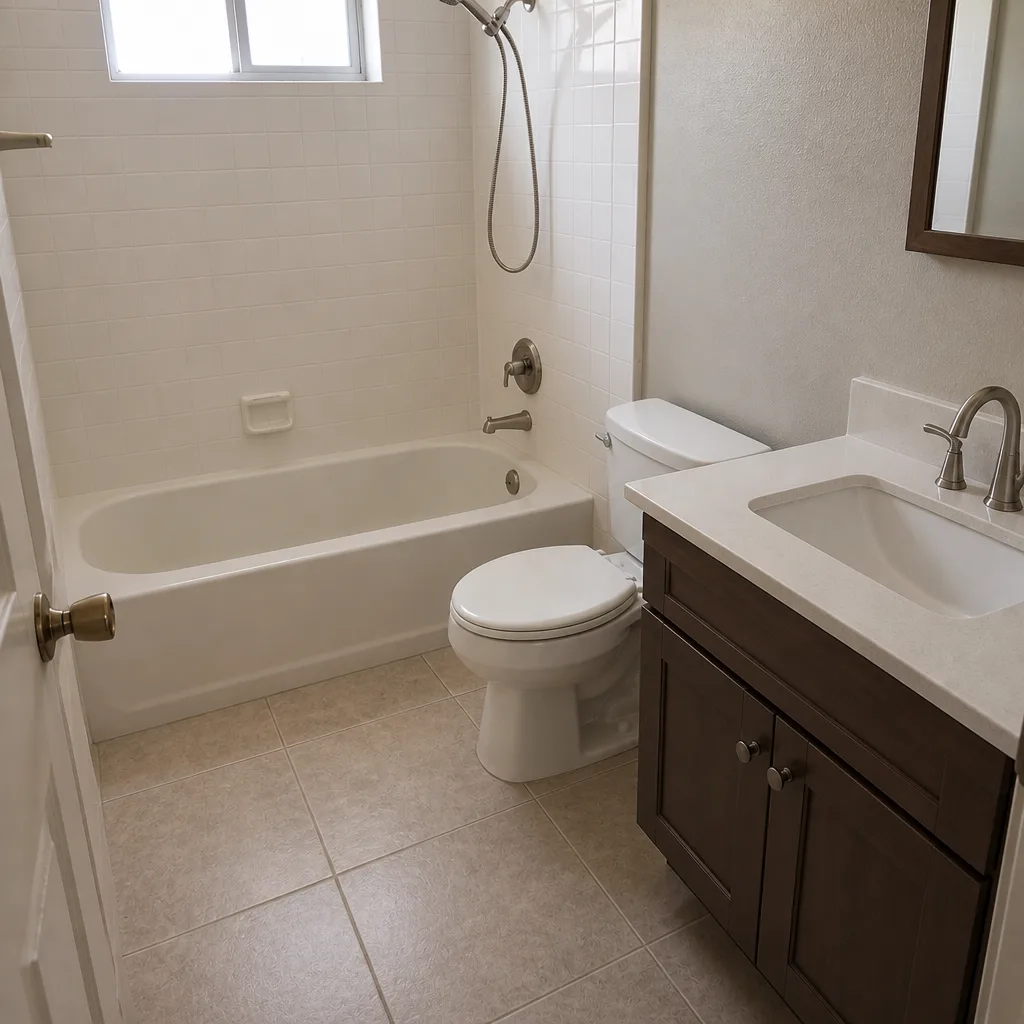
Bathroom remodeling. Waterproofing quality separates a durable bathroom from a two-year problem. Schluter systems and comparable brands are worth the line-item cost because they’re the difference between a shower pan that lasts and one that leaks into the framing. Fixture tier – American Standard and Toto at the value end, premium fixtures higher – plus tile material drive the rest of the spread.
Home additions and ADUs. This is where 2026 gives you more paths than ever. Prefab and modular options from Abodu, Dvele, Mighty Buildings, Boxabl, and Plant Prefab can land at the lower end of the $180 – $320 per square foot range because the structure is factory-built. Stick-built construction with custom finishes lands at the higher end. The right answer depends on whether you need a fast shell or a match to the existing house. Our home additions & ADU page walks through both paths and their trade-offs, and it’s the project type where “one contractor from the curb to the kitchen” matters most, because a typical addition touches foundation, framing, roofing, electrical, plumbing, and finish work – all of which can be coordinated under one schedule.
Common Mistakes to Avoid
- Budgeting from a national calculator. Tools that blend Las Vegas with Reno and Raleigh leave desert-specific exteriors short by a wide margin. Price your project against local ranges and branded specs.
- Accepting a bid with no contingency for caliche. Every excavation in this valley can hit hardpan. If the bid doesn’t address it, that cost lands on you mid-project.
- Choosing a bathroom contractor who won’t name the waterproofing. If the bid doesn’t specify a waterproofing system, assume the cheapest option is being used.
- Assuming an aging electrical panel can handle a modern kitchen. Older Las Vegas homes frequently need a panel upgrade to support current appliance loads. That’s a real line item – get it priced before signing.
- Skipping the decking inspection before a roof bid. Roofers who don’t look under the surface before quoting are the ones most likely to come back with “we found rot.”
- Choosing materials on sticker price alone. Compare by replacement cycle. A desert-rated product that lasts longer can cost less over its life even with the premium up front.
- Hiring separate contractors for exterior and interior scope. The schedule conflicts, liability gaps, and rework costs from split vendors usually exceed the perceived savings.
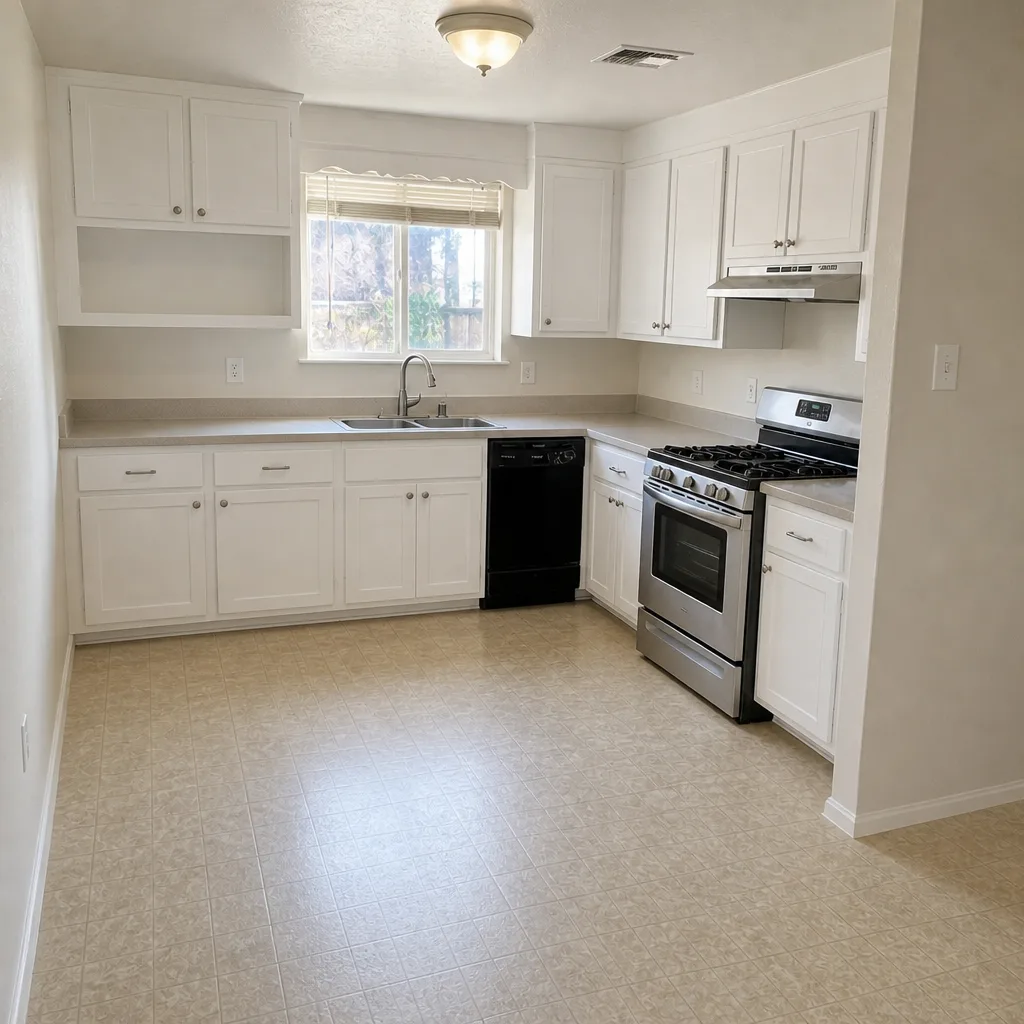
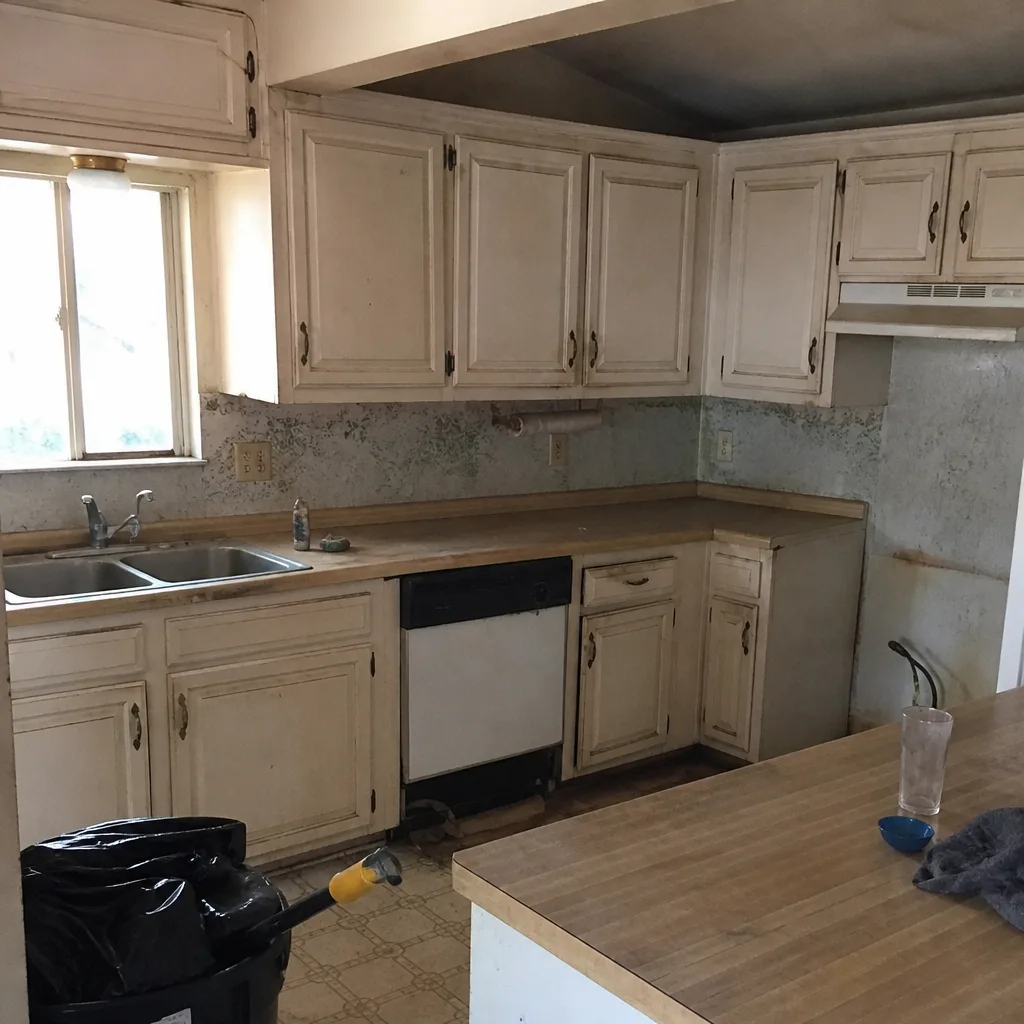
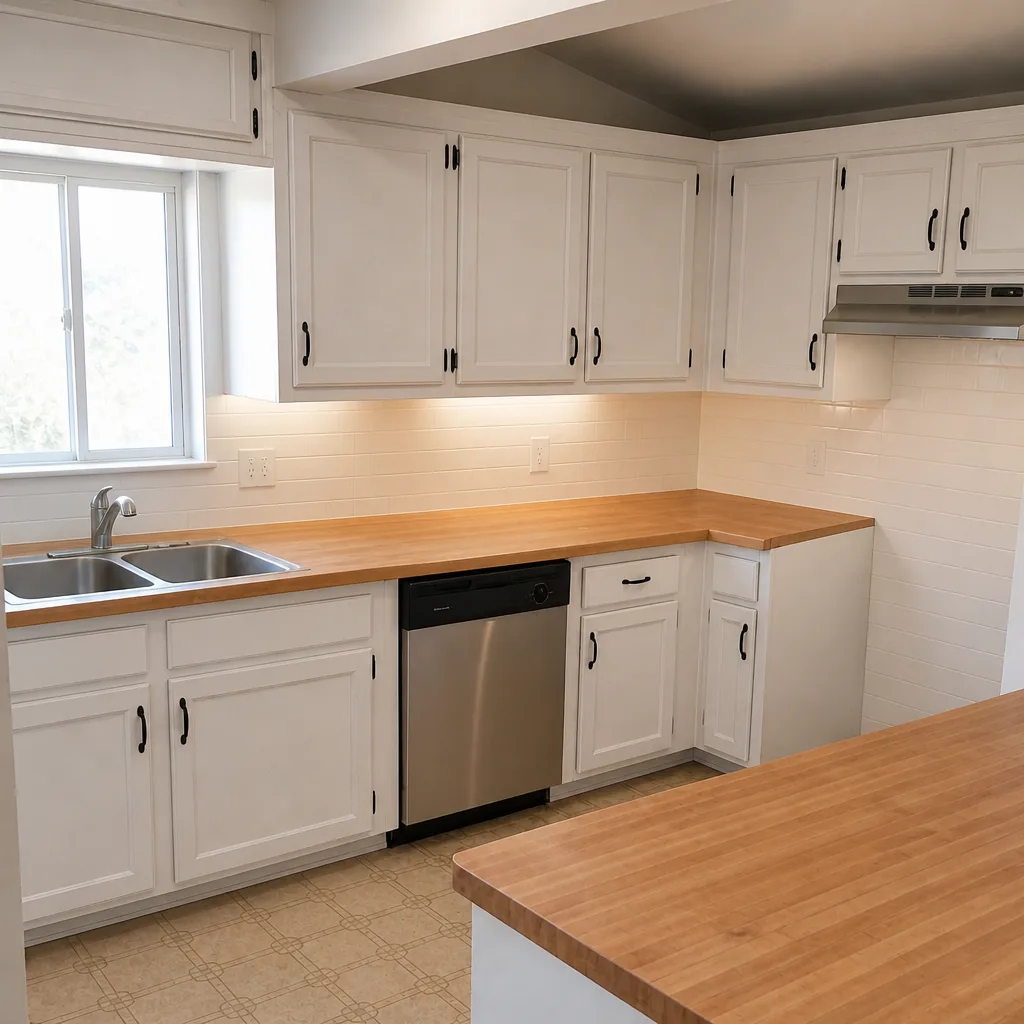
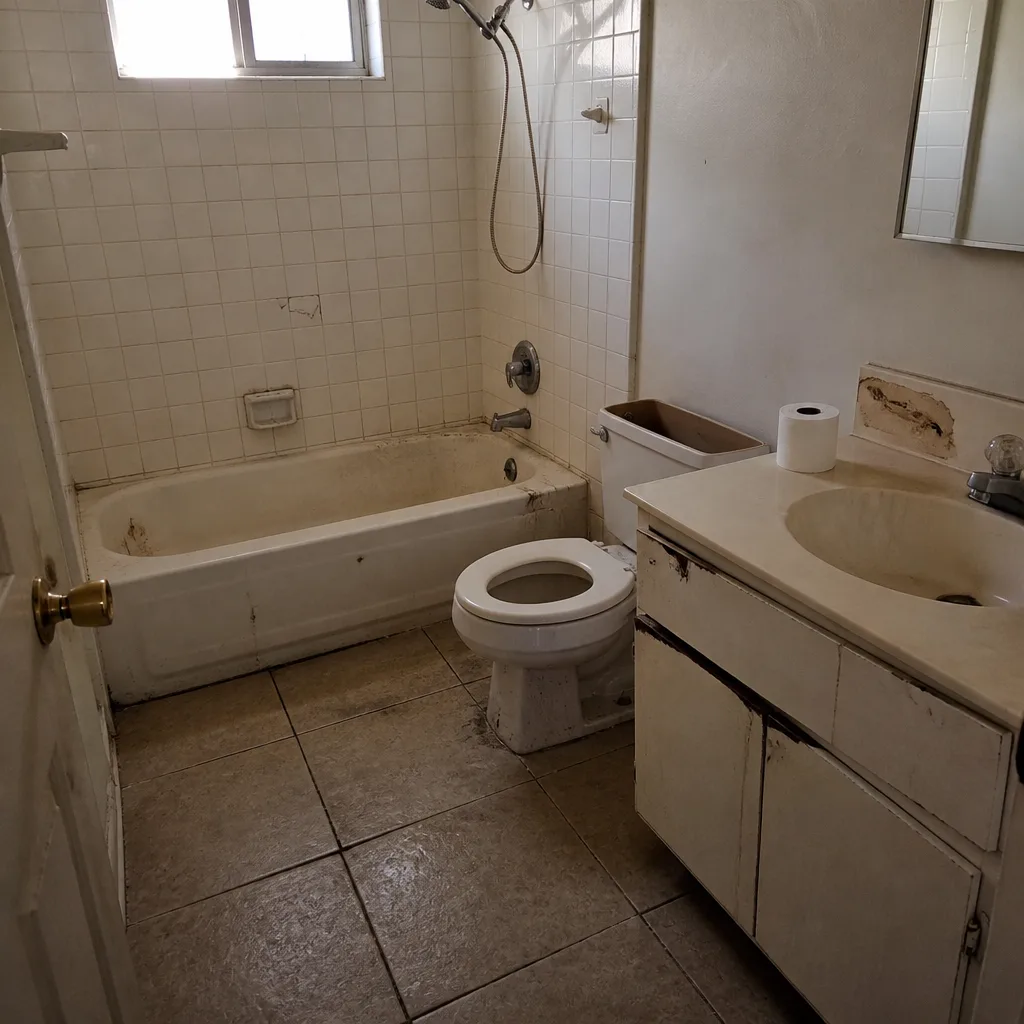
See the difference
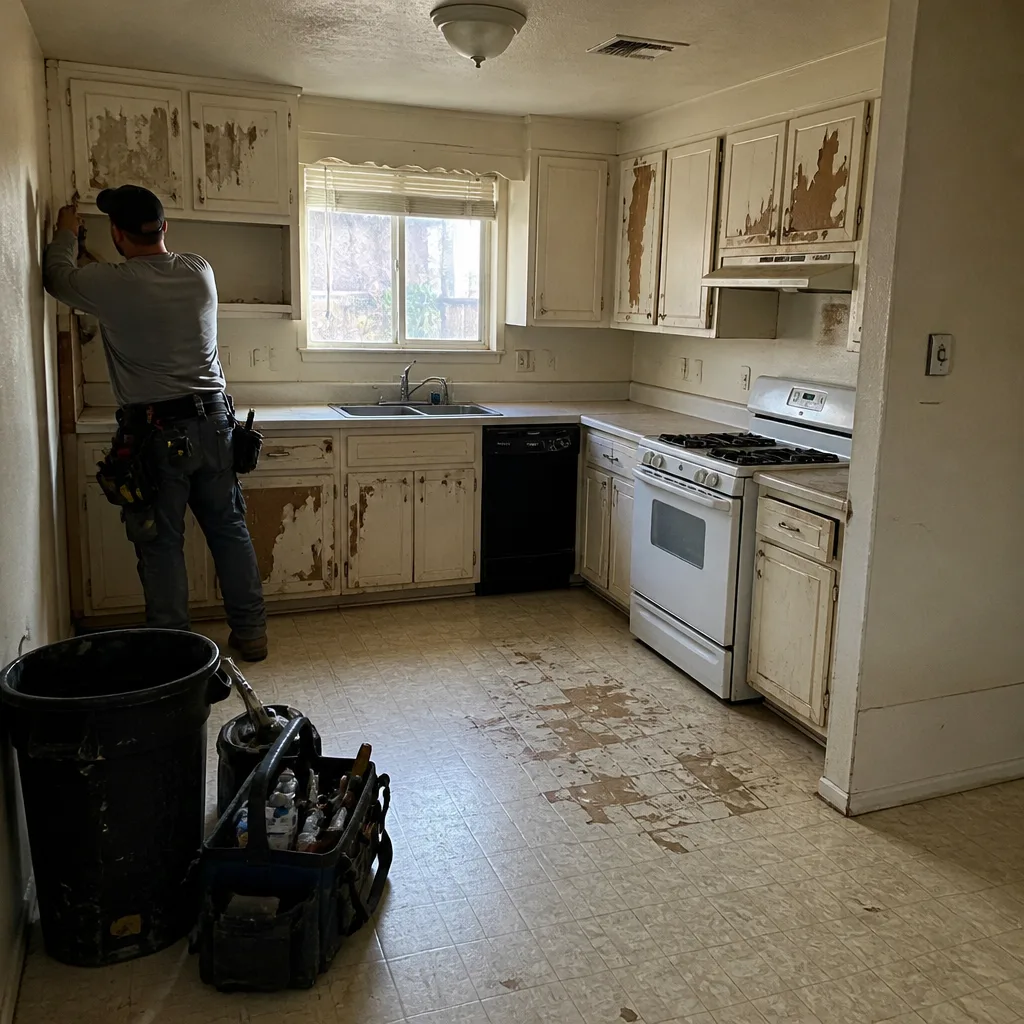 Before
 After
 Before
 After
 Before
 After
When to Call a Professional
Some projects genuinely call for a licensed contractor, and it’s not just the large ones. Any roof replacement, structural change, electrical panel upgrade, or addition needs permits and a professional who pulls them. Bathroom remodels that touch plumbing or waterproofing, kitchen remodels with layout changes, and any exterior work where caliche is a risk all fall in the same category. If a project touches more than one trade – say a bathroom remodel plus a new window, or a roof plus a fence – coordinating it under one professional schedule saves you months of hassle. Las Vegas Construction Co offers free estimates in Las Vegas – call (844) 629-1061. We answer 24/7. Fast dispatch from 7am to 7pm, Sunday through Friday.
Frequently Asked Questions
Typical residential construction in Las Vegas runs roughly $180 – $320 per square foot for additions and ADUs in 2026, and the same range is a useful planning anchor for major remodels scaled to their footprint. Exterior work is priced per square foot differently – pavers run $12 – $22 per sq ft installed. The written estimate sets the final number. Call (844) 629-1061 for an exact quote – estimates are free.
Two reasons dominate: a labor market that swings with resort and casino construction, and material premiums for desert-rated products that national cost databases don’t price. The combination routinely leaves homeowners budgeting short on exterior work. A local, written estimate captures both factors; a national calculator won’t. Call (844) 629-1061 to price your scope against actual Las Vegas conditions.
A typical roof replacement in Las Vegas in 2026 runs about $9,000 – $24,000 for asphalt shingle and $18,000 – $42,000 for tile, depending on roof size, pitch, and spec. Desert-rated underlayment adds a modest premium but extends the replacement cycle. The written estimate sets the price. Call (844) 629-1061 for a free roof estimate.
Not if the bid is written properly. A fixed-price estimate with named brands, named specs, and a stated contingency for site conditions protects you from mid-project surprises. What changes a price is a scope change you request, or a hidden condition (caliche, rot, an electrical panel) that the bid didn’t anticipate. Ask before signing how the bid handles those, and you’ll know where you stand. Call (844) 629-1061 to get a fixed written quote.
Yes, permitted work is pulled by the contractor performing it, and we coordinate that as part of the scope. Roof replacement, additions, ADUs, electrical upgrades, and any structural change typically require permits in Las Vegas. A contractor who suggests skipping them is transferring liability to you. Call (844) 629-1061 to talk through your project’s permit scope.
A bathroom remodel typically runs several weeks; a full kitchen remodel usually runs longer, and the exact timeline depends on cabinet and countertop lead times, layout changes, and permit review. No honest contractor promises a remodel “in a week.” What you should get is a clear schedule with a realistic start date. Call (844) 629-1061 and we’ll spell out the timeline for your scope.
The Bottom Line
Las Vegas construction costs in 2026 come down to three things: the current labor market, how much desert-rated material your project actually needs, and how well the bid anticipates hidden conditions like caliche, rot, and aging panels. Price against local ranges, not national averages. Compare bids by named brands and specs, not by headline number. Treat the written estimate as the price, not a starting point. Most of the budget variance in this valley comes from problems that were visible in the scope all along, waiting for someone to name them. That’s the work we do before the contract gets signed.
Call (844) 629-1061 for a free estimate. We answer 24/7. Fast dispatch from 7am to 7pm, Sunday through Friday. Our technicians have up to 8 years of experience, we work with manufacturers like GAF, CertainTeed, Owens Corning, KraftMaid, Wellborn, Cambria, Silestone, Caesarstone, Kohler, Moen, Grohe, Belgard, Unilock, and Techo-Bloc, and we’ll put the full scope in writing so you know exactly what’s going in before work starts.
Written by the team at Las Vegas Construction Co.