
Last updated November 17, 2026
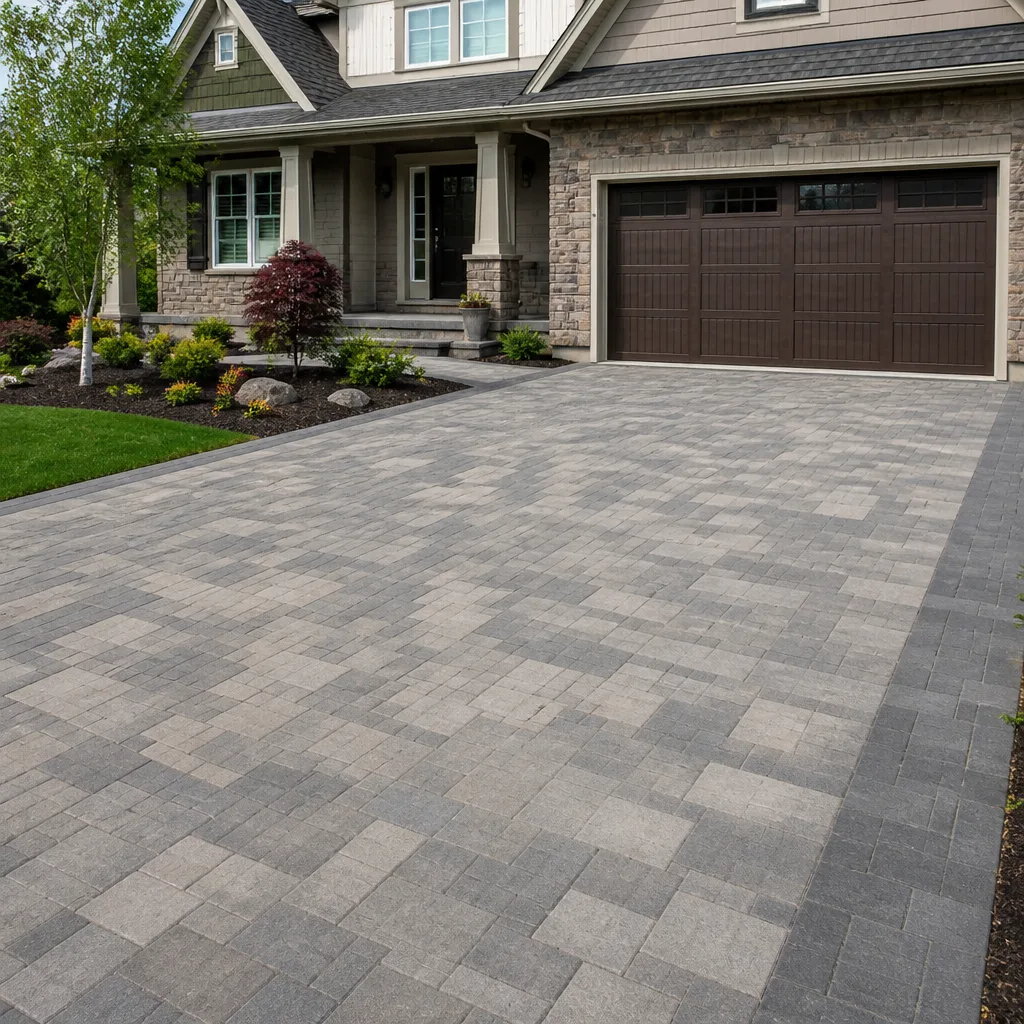 Driveway & pavers
 Kitchen remodeling
 Bathroom remodeling
 Home additions & ADU
 Roofing
 Windows & doors
 Fence
Free written scope consultation - allowances, timeline, and change-order rules on paper before a single trade is scheduled
The Complete Driveway & Pavers Guide for Las Vegas Homeowners
Most paver guides you’ll find online were written for a climate that doesn’t exist here. They talk about freeze-thaw cycles, de-icing salts, and four-season drainage. Las Vegas doesn’t have those problems. What it has is worse in some ways: ground surface temperatures that can climb past 160°F in July, soil layers of caliche that refuse to drain, and an alkaline chemistry that quietly eats the wrong jointing sand within a year and a half. A paver driveway here isn’t just a landscaping choice. It’s an engineering problem, and the specs that work in Ohio or Oregon will fail on a Las Vegas driveway. This guide covers what actually holds up in the Mojave, from base depth to edge restraint to the HOA palettes that decide half your material options before you even start shopping.
Quick Answer
A driveway paver system in Las Vegas needs an 8 to 10 inch compacted base, not the 4 to 6 inches most national guides recommend, because the valley’s caliche soil and thermal expansion demand deeper structural support. Choose pavers for heat reflectivity and UV stability rather than just color, use a polymeric sand formulated for high-heat climates, and confirm your HOA palette before you buy anything. When the base, edge restraint, and jointing sand are all specified for desert conditions, a paver driveway in Las Vegas can stay flat and stable for decades.
Styles & brands we work with
- Kitchen remodeling
- Bathroom remodeling
- Home additions & ADU
- Roofing
- Windows & doors
- Driveway & pavers
- Fence
Table of Contents
- Why Las Vegas Base Depth Runs 8 to 10 Inches
- Concrete vs. Travertine vs. Porcelain Pavers
- Polymeric Sand That Survives Las Vegas Heat
- HOA Color Palettes in Summerlin and Henderson
- Edge Restraint in Expansive Desert Soil
- What a Paver Driveway Costs in Las Vegas
- How a Desert Paver Driveway Comes Together
- Keeping Pavers Healthy Through Las Vegas Summers
Why Las Vegas Base Depth Runs 8 to 10 Inches
If you’ve read a national paver guide and it told you to lay 4 inches of compacted base, that instruction is why so many Las Vegas paver driveways start rocking and settling after a few summers. The valley floor is full of caliche, a naturally cemented soil layer that forms in arid climates when calcium carbonate binds the soil particles together. It’s hard, it’s dense, and it does not drain. Water that gets under a shallow paver system in Las Vegas has nowhere to go, so it sits there, softens the base, and eventually the pavers move.
An 8 to 10 inch base does two things. First, it gives the paver system enough structural depth to spread the load of vehicles across a wider area, which matters when the subgrade itself won’t flex or drain. Second, it creates room for a properly graded aggregate layer that can move water away from the surface even when the native soil refuses to absorb it. On properties with aggressive caliche near the surface, the right answer is often to break up and remove a portion of it, then build back up with angular crushed aggregate, not to lay pavers on top and hope.
Thermal expansion is the second reason. Las Vegas pavers heat up and cool down across a huge daily swing. The system moves, and the base needs enough mass and interlock to keep that movement from turning into vertical settling. A shallow base can’t do that.
- Minimum base: 8 inches compacted for standard residential driveways, 10 inches where heavy vehicles or weak subgrade come into play.
- Compaction: done in lifts, not all at once, so each layer actually reaches density.
- Grading: the base has to shed water toward the street or a drainage point, since the soil beneath it won’t absorb any.
- Caliche handling: assessed on site, because the depth and hardness vary block to block across the Las Vegas valley.
This is the single biggest difference between a paver driveway that lasts and one that needs re-leveling before the decade is out. Everything else in this guide builds on top of getting the base right. Our technicians have up to 8 years of experience, and the base is always where the experienced eye matters most. For a full picture of the service side, see our driveway & pavers page.
Concrete vs. Travertine vs. Porcelain Pavers: Which Handles Las Vegas Heat
Standard concrete pavers, natural travertine, and porcelain are the three materials most Las Vegas homeowners end up comparing, and they behave very differently in desert heat. The deciding factors aren’t just looks. They’re UV reflectivity, how much heat the surface holds after the sun goes down, and how the material ages under months of unrelenting sun with almost no rain to cool it off.
Concrete pavers
Concrete pavers are the most common choice in Las Vegas because they’re durable, repairable piece by piece, and available in a huge range of colors. The catch is quality variance. Lower-grade concrete pavers with high absorption rates will spall, meaning the top layer flakes off, when they soak up water and then bake in the sun. In a market where surface temps can push toward 160°F, an absorption-rated paver is worth the extra cost. Light-colored pavers reflect more solar energy and stay measurably cooler underfoot than dark ones, which matters if you’ll ever walk to the mailbox barefoot. The brand you buy through matters too. Belgard, Unilock, and Techo-Bloc all publish absorption and freeze-thaw data, and that data is your protection.
Travertine
Travertine is a natural stone and a popular upgrade in Las Vegas because it stays cooler than concrete under the same sun and has a look that suits desert landscaping. It’s genuinely comfortable to walk on in summer, which surprises people who assume any hard surface will burn their feet. The tradeoff is that natural stone varies, and some travertine grades are more porous than others. A penetraing sealer applied correctly protects it from staining and slows wear. Travertine pavers are also heavier and pricier than concrete, so they tend to appear on pool decks and front entries more than on full driveways, though plenty of Las Vegas homeowners use them across the whole vehicle surface.
Porcelain pavers
Porcelain has been gaining ground in Las Vegas for one reason: it barely absorbs water and it holds its color. Where concrete can fade and travertine can stain, porcelain stays closer to how it looked on day one. It comes in thicknesses rated for vehicle loads, and it’s dense enough to handle the UV exposure without surface breakdown. The catch is installation. Porcelain is less forgiving of a marginal base, and it costs more per square foot installed. Choose it when long-term appearance and low absorption are the priorities and the budget has room.
- Barefoot comfort: light-colored travertine and light porcelain run coolest; dark concrete pavers run hottest.
- UV stability: porcelain holds color best; concrete depends on the pigment quality and brand; travertine ages naturally.
- Longevity under heat: all three last decades when the base is right, but low-absorption materials fail later under desert sun.
- Repairability: concrete and porcelain are easy to replace piece by piece; natural stone can be harder to color-match later.
We carry nationally recognized paver brands so you’re not guessing at specs. When we walk your driveway options, you’ll know exactly which product line and which absorption rating you’re choosing.
Polymeric Sand That Survives Las Vegas Heat
This is where a lot of Las Vegas paver driveways quietly fail, and the failure isn’t visible until the joints start washing out. Standard polymeric sand is formulated for a broad range of climates and it works fine in most of the country. In Las Vegas, the combination of extreme surface heat and alkaline soil chemistry breaks it down faster than its rating suggests. Homeowners who used a big-box polymeric sand often find the joints crumbling and weeds creeping in somewhere between 12 and 18 months.
The issue is twofold. High surface temperatures soften and degrade the polymer binders in sand that wasn’t formulated for sustained heat. And the alkaline chemistry of Las Vegas soil and water changes how the sand cures and how well it bonds to the paver edges. The right answer is a polymeric sand explicitly rated for high-heat climates, applied to manufacturer instructions on joint width, moisture, and cure time. Done that way, the joints hold rather than turning into weed channels after one summer.
- Check the heat rating. Confirm the sand is rated for high surface temperatures, not just general outdoor use.
- Match joint width. The sand’s spec sheet tells you the minimum and maximum joint width it needs; deviating from it weakens the bond.
- Control moisture during cure. Too much or too little water at the wrong moment ruins the cure, and in Las Vegas that timing is tight because the surface dries so fast.
- Re-sand after settling. A small amount of joint top-off after the first season is normal and cheap insurance.
A proper installation includes the correct jointing sand from the start, not as a callback. It’s one of the line items we specify before you sign the contract, so you can see exactly which product is going into your joints and why it’s rated for this climate.
HOA Color Palettes in Summerlin and Henderson
In Las Vegas, a large share of the valley’s residential neighborhoods sit inside master-planned communities with architectural review requirements, and those requirements can eliminate half your material options before you’ve priced a single paver. Summerlin and the master-planned villages in Henderson are the obvious examples, but plenty of smaller communities across the valley enforce their own palette and material rules too.
The rules typically cover color families, sometimes specify approved product lines, and almost always require approval before work starts. The trap is falling in love with a paver color, buying it, and then learning the architectural review committee won’t approve it. That’s an expensive detour.
Here’s the order that works:
- Get the current design guidelines from your HOA or architectural review committee before you shop. Not last year’s version, the current one.
- Note the approved color families and any material restrictions. Some communities limit driveways to certain tones or require hardscape to harmonize with the home’s facade.
- Shortlist products that fall inside the palette. Brands like Belgard, Unilock, and Techo-Bloc publish color chips and product data that make this straightforward.
- Submit the architectural request with the exact product, color, and layout before ordering materials.
- Wait for written approval before anything is delivered.
Doing this first saves weeks of frustration and keeps the whole project on schedule. It also means the paver you choose is one you can actually install. As a contractor that works across neighborhoods throughout Las Vegas, we’ve seen how much smoother the project goes when the HOA piece is handled before materials land on the driveway.
Edge Restraint in Expansive Desert Soil
Paver edges fail in Las Vegas for a specific reason: the valley’s soils contain expansive clays that swell when they get moisture and shrink when they dry, and that cycle moves the ground under and around a paver system. Edge restraint is what keeps the whole field of pavers locked together under vehicle load. When the restraint fails, pavers creep, gaps open, and the surface starts looking ragged along the driveway edges.
The plastic spike systems sold for edge restraint in milder climates are the usual culprit here. They rely on short stakes driven into soil that, in Las Vegas, works them loose as it expands and contracts. Within a year or two, the spikes heave, the restraint lifts, and the edge of the driveway starts to migrate. The fix that holds up is a concrete or adhesive-set edge restraint, or a properly pinned metal edge, anchored enough to resist the movement the soil puts on it.
- Concrete curb restraint: poured or set in concrete along the edge, heavy enough to hold against lateral load.
- Adhesive-set metal edge: a rigid edging bonded to the paver field, commonly used on tighter curved layouts.
- Pinned restraint with adequate depth: when spikes are used, they need to reach past the active soil zone rather than stopping shallow.
- What to avoid: short plastic spikes in loose or expansive soil, which is where most edge failures start.
Edge restraint is invisible when the job is done right and obvious when it isn’t. Ask what’s holding the edge before you compare bids, because it’s one of the details that decides whether your driveway still looks crisp in five years or has already started to ravel.
What a Paver Driveway Costs in Las Vegas
A paver driveway in Las Vegas typically runs anywhere from about $12 to $30 per square foot installed, depending on the material, the base conditions, and the site access. That range reflects real differences: a basic concrete paver on a straightforward lot sits near the low end, while travertine or porcelain with deeper base work and complex layouts pushes toward the top. These are estimated ranges, and the written estimate for your specific driveway sets the final price.
Here’s how the line items usually break down so you can compare bids on equal footing:
| Line item | Typical estimated range |
|---|---|
| Concrete pavers (material + install) | $12 – $20 per sq ft |
| Travertine pavers (material + install) | $18 – $28 per sq ft |
| Porcelain pavers (material + install) | $20 – $30 per sq ft |
| Base excavation and caliche removal | Quoted separately when needed |
| Polymeric sand (high-heat rated) | Included in most written quotes |
| Edge restraint (concrete or pinned metal) | Included in most written quotes |
| Old surface removal and haul-off | Quoted per job |
What drives the number up on a Las Vegas driveway is almost always what’s underneath. A lot with shallow caliche and good access is a simpler job than one that needs broken-up soil hauled away and rebuilt in compacted lifts. That’s why a site visit matters more than a phone estimate. The written quote should show the base depth, the sand and edge restraint specified, the material brand, and the total, so you can line two bids up and see exactly where the difference lives.
For the homeowner, the practical takeaway is that the cheapest bid is often the one with the shallowest base and the cheapest sand. When you see a quote far below the rest, ask what the base depth is and which jointing sand it includes. The answer usually explains the price.
How a Desert Paver Driveway Comes Together
A paver driveway in Las Vegas is built in a sequence where each step protects the one before it, and skipping any step is how a driveway ends up failing early. The order isn’t unique to the desert, but the specifics at each step are.
- Site assessment and layout. We check subgrade conditions, identify any caliche issues, confirm drainage direction, and verify the HOA-approved product and color.
- Removal of the old surface. Concrete, asphalt, or old pavers come out and are hauled off so the new base starts clean.
- Excavation and caliche handling. Where caliche is close to the surface, we break it up and remove what can’t be worked with, then build the base back up.
- Base installation in lifts. Aggregate goes down in layers, each compacted before the next, working up to the 8 to 10 inch depth the site needs.
- Edge restraint set. The concrete or pinned metal restraint goes in before pavers so the field is locked from the start.
- Paver installation. Pavers are laid to the approved pattern, cut to the layout, and checked for consistent slope and gap width.
- Polymeric sand. High-heat-rated sand fills the joints, then cures per manufacturer instructions.
- Final clean and walkthrough. We clean the surface, confirm drainage, and walk you through what was installed and how to care for it.
That sequence is why a paver project in Las Vegas takes more than a day and why the estimate should be based on a real site visit, not a square-footage guess. Everything on the list is there to protect the work that comes after it.
Keeping Pavers Healthy Through Las Vegas Summers
A Las Vegas paver driveway needs very little maintenance compared with concrete or asphalt, but the small amount it does need is tied to the climate. The two things that kill paver systems here are joint erosion and heat-driven surface wear, and both are manageable.
- Top off joints as they settle. The first warm season after installation, a small amount of joint sand settlement is normal. Topping it off keeps weeds out and the field locked.
- Clean before it bakes on. Oil drips and desert dust are easier to remove before they sit in the sun for a summer. A light rinse and a degreaser on spots is enough.
- Inspect the edges after the first big temperature swings. The edge restraint is what holds the field. Check it stays flush and tight.
- Reseal when the material calls for it. Concrete pavers and travertine benefit from resealing on a schedule appropriate to the product and its exposure, and porcelain usually needs less. The brand’s care guidance tells you the interval.
- Watch drainage after monsoons. Summer storms in Las Vegas dump water fast. Confirm it’s still flowing off the driveway toward the street rather than pooling against the house.
None of this is heavy work. The point is that a driveway built with the right base and the right sand stays a driveway that only needs small attention, not a re-leveling project after three summers.
Common Mistakes to Avoid
- Using the national base depth. A 4 to 6 inch base from a generic guide will settle on Las Vegas caliche. Spec 8 to 10 inches and account for caliche removal in the quote.
- Buying big-box polymeric sand. Standard sand degrades in high heat and an alkaline soil profile. Insist on a high-heat-rated product and check the spec sheet.
- Shopping pavers before checking the HOA palette. In Summerlin and master-planned Henderson communities, an unapproved color means the whole order is dead on arrival.
- Accepting plastic spike edge restraint. Expansive desert soils work short spikes loose within a year. Ask for concrete or pinned metal restraint.
- Picking pavers by color alone. Dark pavers in full Las Vegas sun get painfully hot, and low-absorption-rated pavers spall faster. Compare heat reflectivity and absorption data, not just looks.
- Comparing bids on price per square foot only. Two quotes at different prices can both be fair if their base depth, sand, edge restraint, and brand differ. Compare the specs side by side.
- Skipping the sealer on travertine. Natural stone needs a penetraing sealer to resist staining in the desert sun, and skipping it shortens the surface life.
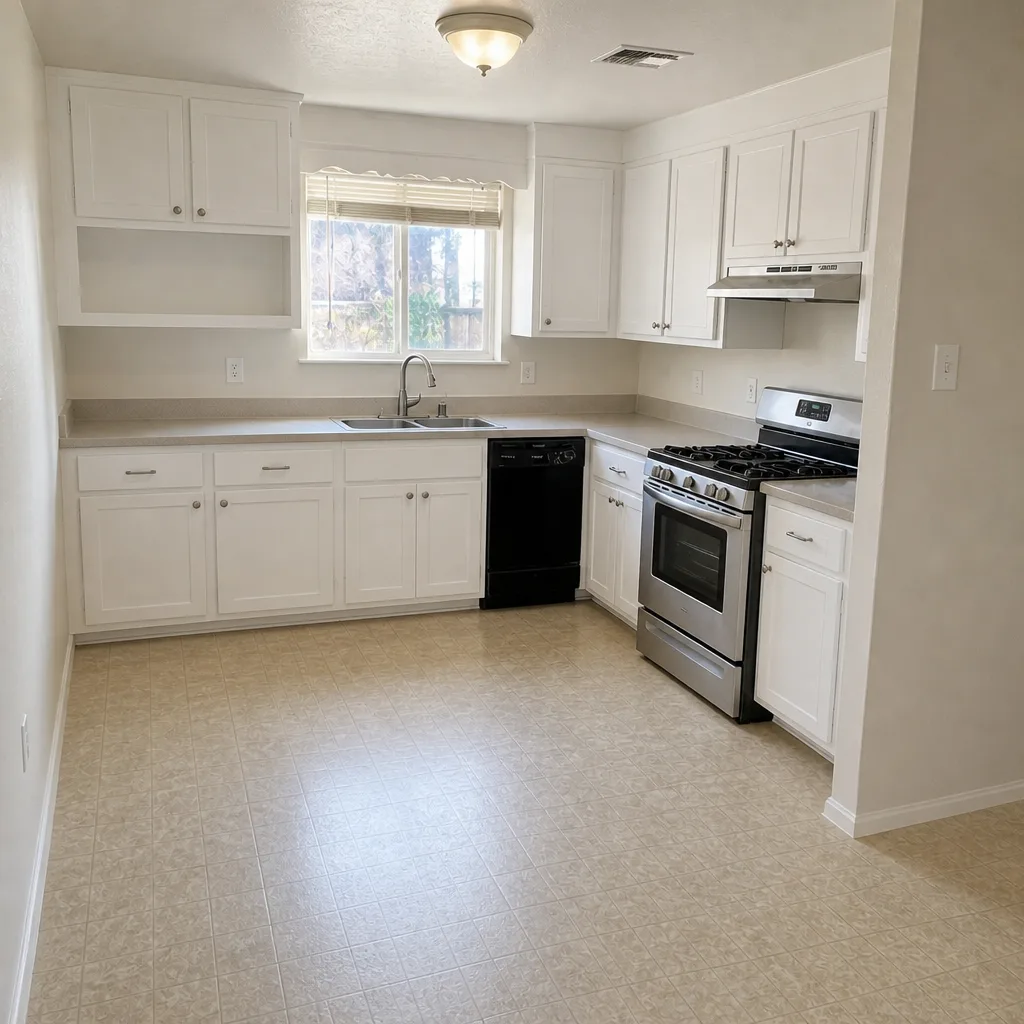
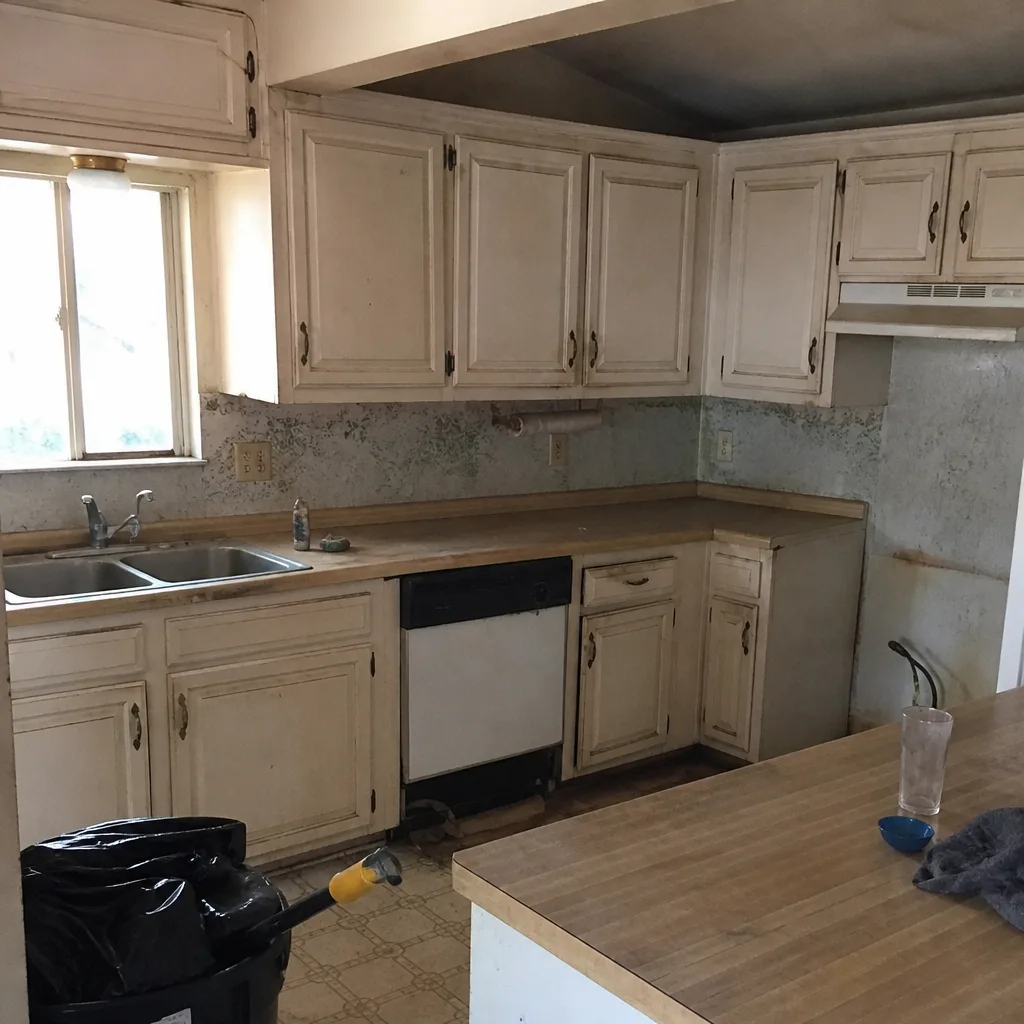
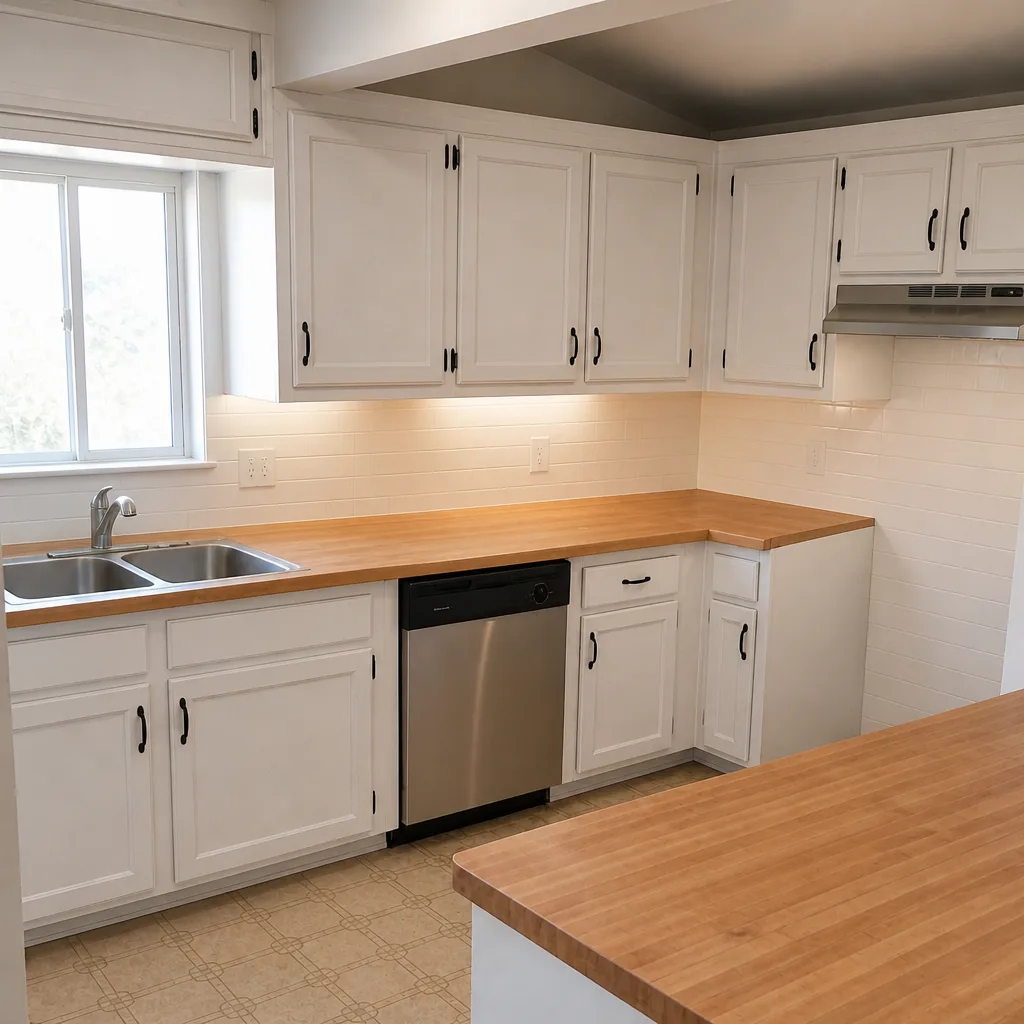
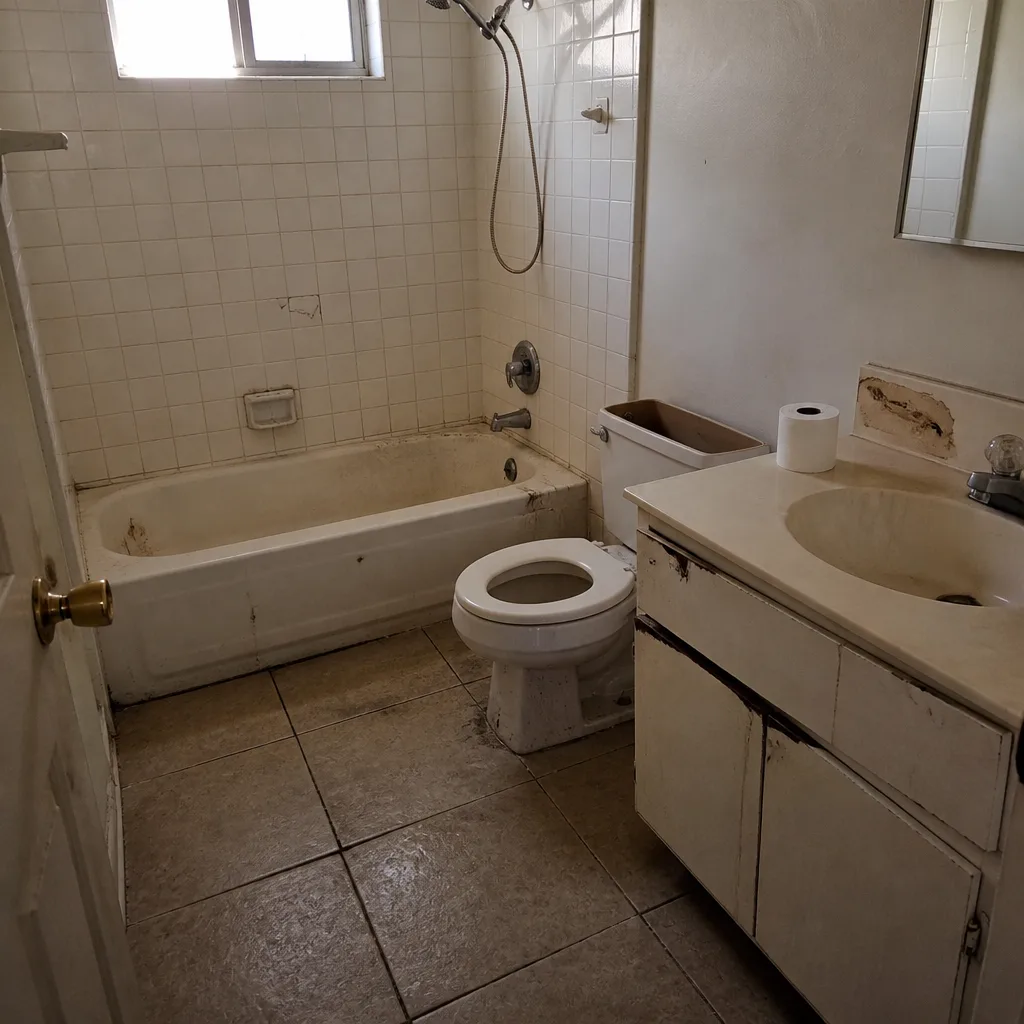
See the difference
 Before
 After
 Before
 After
 Before
 After
When to Call a Professional
Some paver work belongs in a contractor’s hands rather than a weekend project. If your existing driveway has started heaving, rocking, or opening joints along the edges, the problem is almost certainly in the base or the edge restraint, and patching pavers on top won’t fix it. If you’re planning a new driveway, the base excavation, caliche assessment, and compaction work need equipment and experience to get right, and the HOA approval process is easier to navigate with someone who has done it before. The same holds if you’re coordinating a broader exterior project and want one schedule instead of three. Las Vegas Construction Co offers free estimates in Las Vegas. Call (844) 629-1061. We answer 24/7. Fast dispatch from 7am to 7pm, Sunday through Friday.
Frequently Asked Questions
An 8 to 10 inch compacted base is the right depth for most Las Vegas driveways, deeper than the 4 to 6 inches most national guides cite. The depth accounts for caliche soil that won’t drain and for the thermal expansion the valley’s temperature swings create. Call (844) 629-1061 for a free estimate and a site visit that confirms what your specific lot needs.
A polymeric sand specifically rated for high surface temperatures is what holds up in Las Vegas, and standard big-box sand often fails here within 12 to 18 months. The heat softens the polymer binders and alkaline soil chemistry interferes with the cure, so the spec sheet matters more than the brand name. Call (844) 629-1061 to talk through which product fits your driveway.
Approval depends on the current design guidelines for your specific community, and color palettes and material rules vary from one master-planned neighborhood to the next. The safe path is to get the guidelines, shortlist products within the palette, and submit the architectural request before ordering anything. Call (844) 629-1061 for help confirming what your community allows.
Travertine is worth considering if barefoot comfort and a cooler surface matter to you, because it runs cooler than concrete under the same sun and suits desert landscaping. It costs more and needs a penetraing sealer, so the value depends on how much you’ll use the surface. Call (844) 629-1061 to compare travertine against concrete and porcelain for your budget and layout.
A paver driveway built with the right base, high-heat jointing sand, and solid edge restraint can last decades in Las Vegas. The failures people see earlier are almost always traceable to a shallow base, the wrong sand, or plastic spike restraint. Call (844) 629-1061 for an estimate that specifies how each of those will be handled on your driveway.
Sometimes yes, but only when the existing concrete is sound, well-drained, and can take the extra height without causing drainage problems, so it needs a site evaluation first. A failed or cracked slab has to come out, and the base still has to meet desert depth requirements. Call (844) 629-1061 and we’ll assess what your driveway can support.
The Bottom Line
Choosing driveway pavers in Las Vegas comes down to three things most guides skip: base depth, jointing sand, and edge restraint. Get the base to 8 to 10 inches, use a high-heat-rated polymeric sand, anchor the edges against expansive desert soil, and match your material to the HOA palette before you buy. Then pick the paver for how it handles UV, absorption, and barefoot heat, not just color. Get those right and a Las Vegas paver driveway stays flat and stable through every summer the Mojave throws at it. Get them wrong and you’ll be re-leveling in three years.
Whether you’re replacing a tired driveway or planning a full exterior project, coordinating it all through one contractor keeps the materials, the schedule, and the accountability in one place. Our roster of name-brand paver lines means you’ll know exactly what’s going in before the work starts, and our technicians have up to 8 years of experience installing for desert conditions. If your project grows to include outdoor structures or added livable space, we cover that too through home additions & ADU, and we can line up fence installation on the same schedule so the property comes together as one project rather than three. Call (844) 629-1061 for a free estimate and a written quote that spells out every material and every depth. We answer 24/7. Fast dispatch from 7am to 7pm, Sunday through Friday. You can also read more about the full range of services at Las Vegas Construction Co.
Written by the team at Las Vegas Construction Co.