
Last updated November 17, 2026
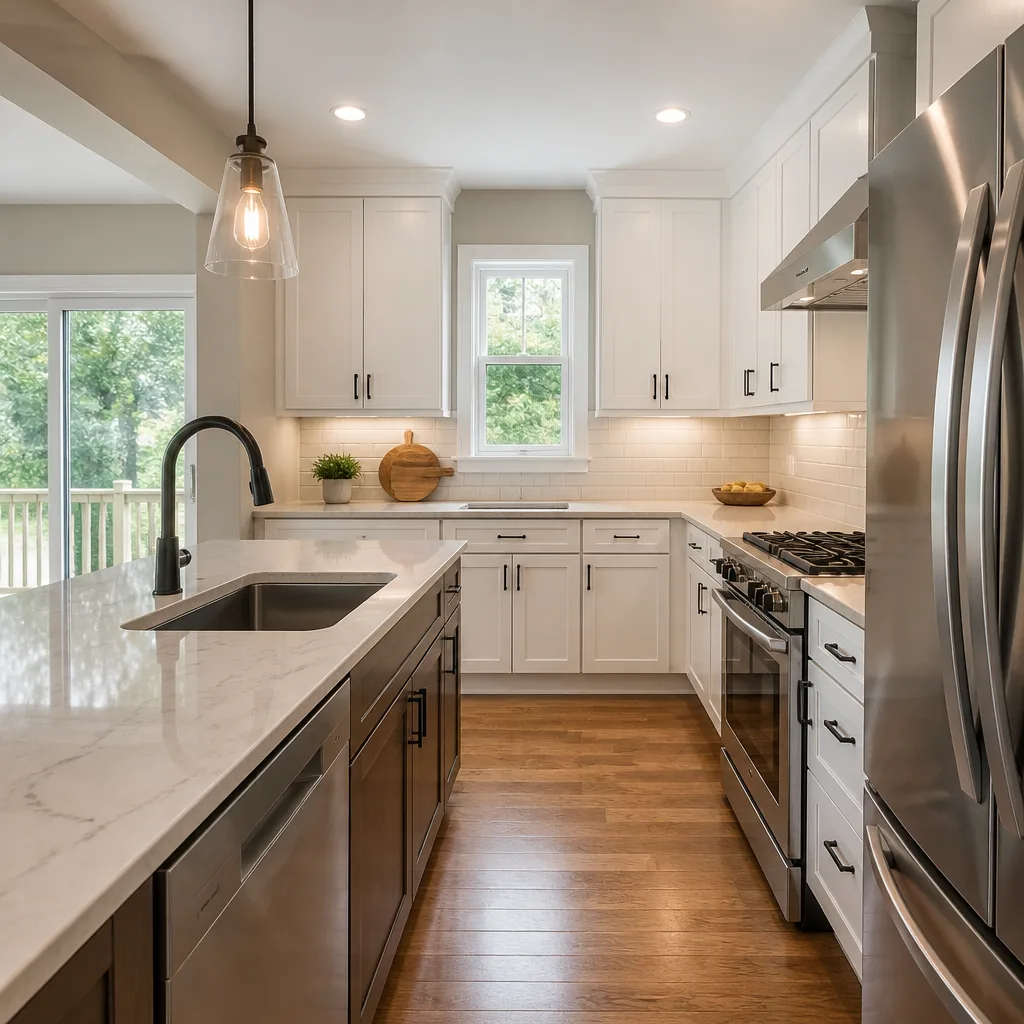 Kitchen remodeling
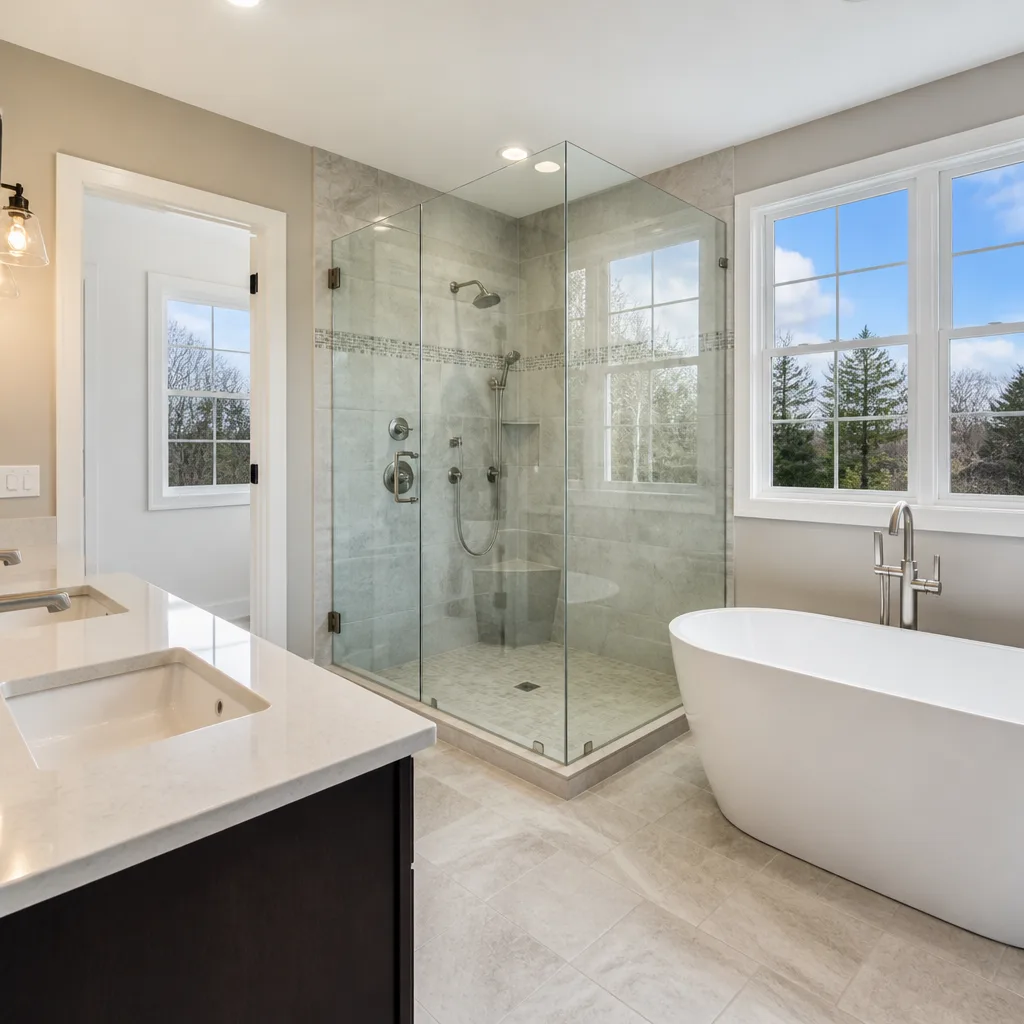 Bathroom remodeling
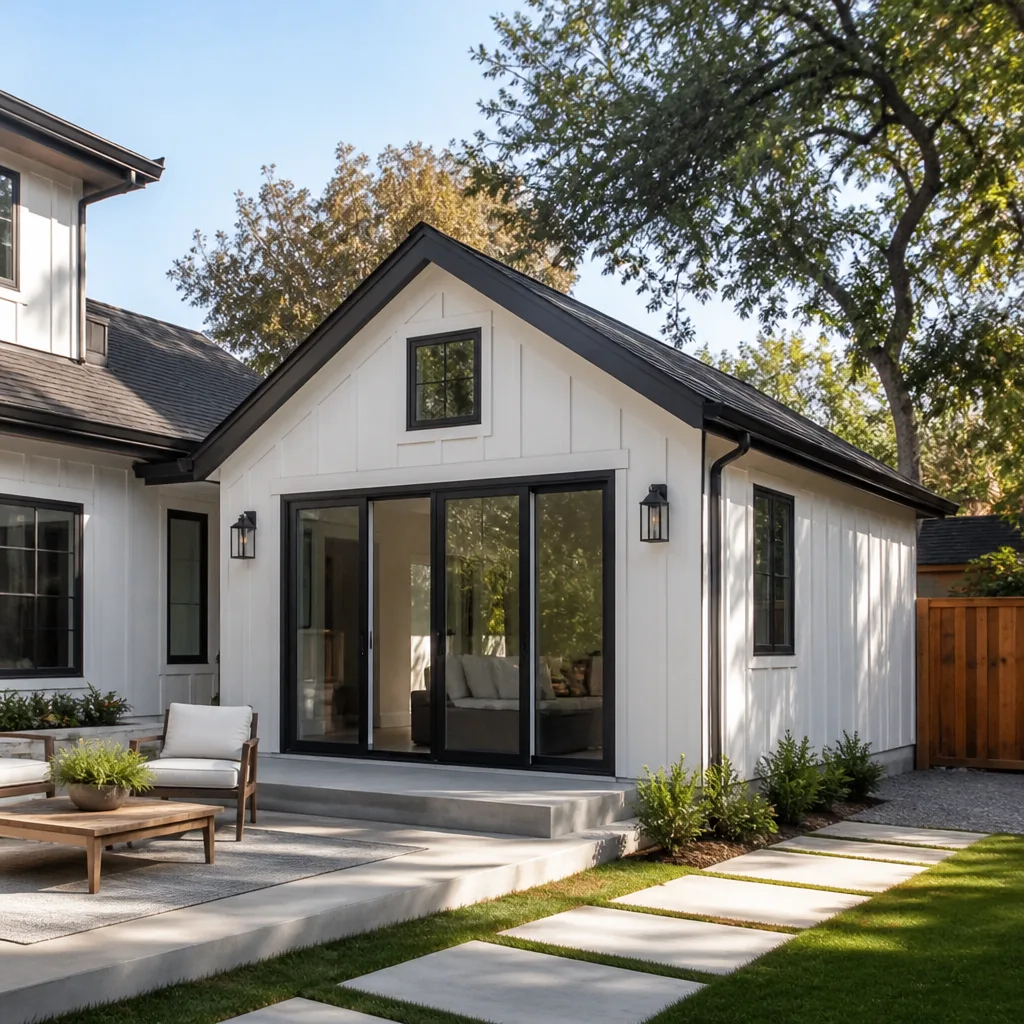 Home additions & ADU
 Roofing
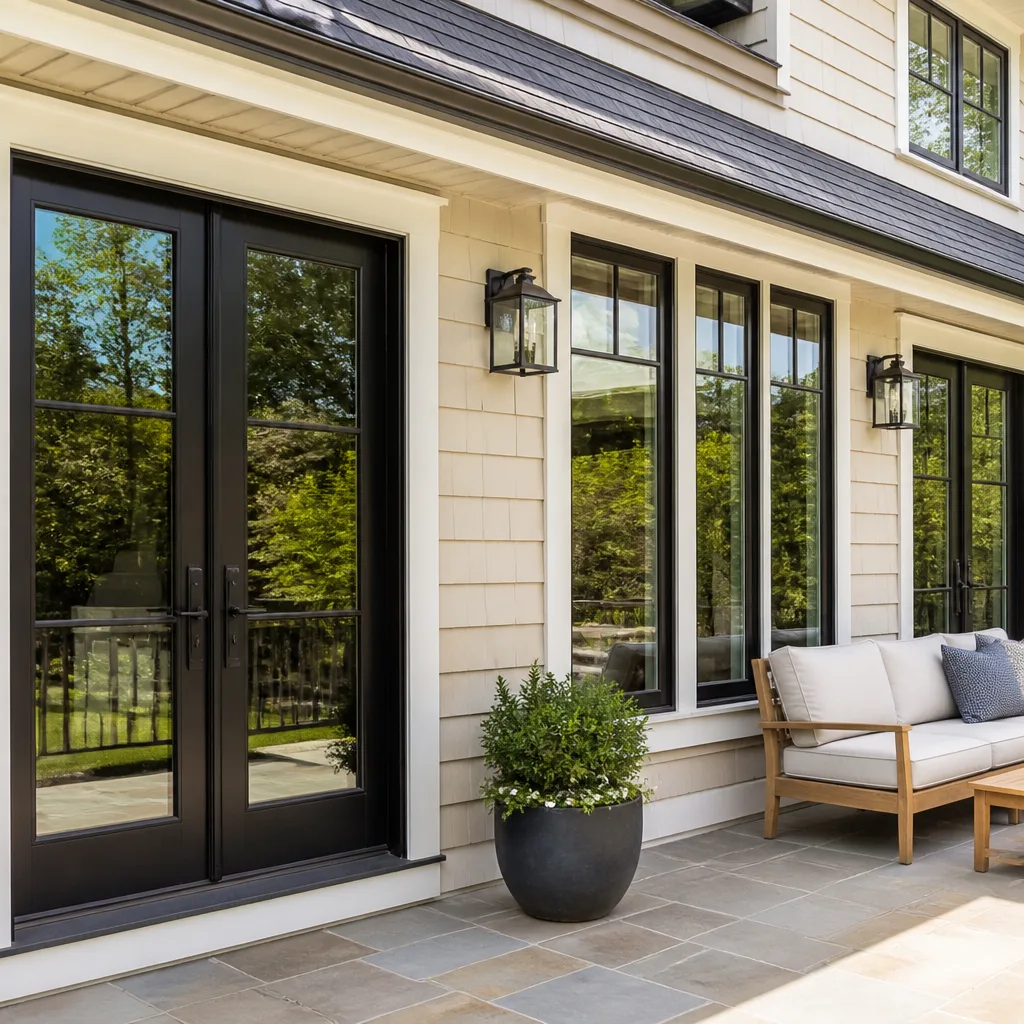 Windows & doors
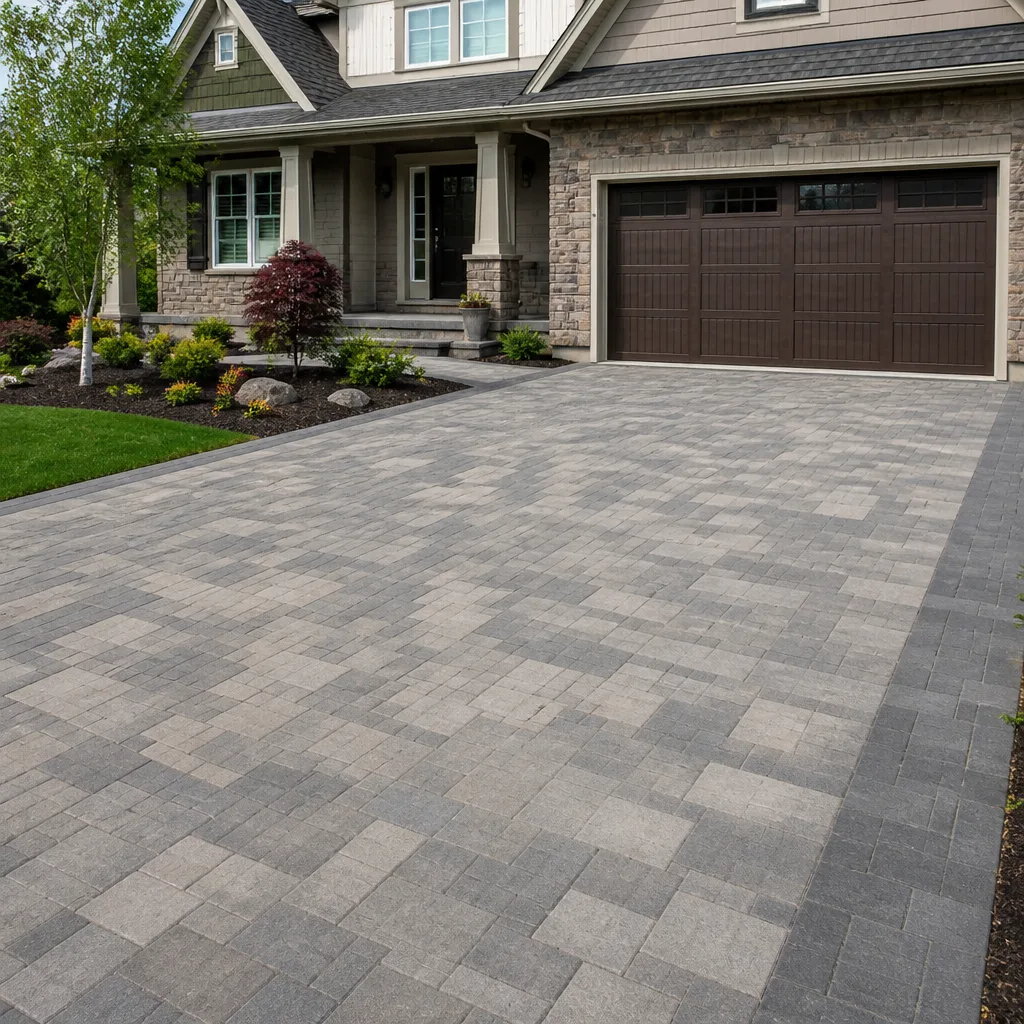 Driveway & pavers
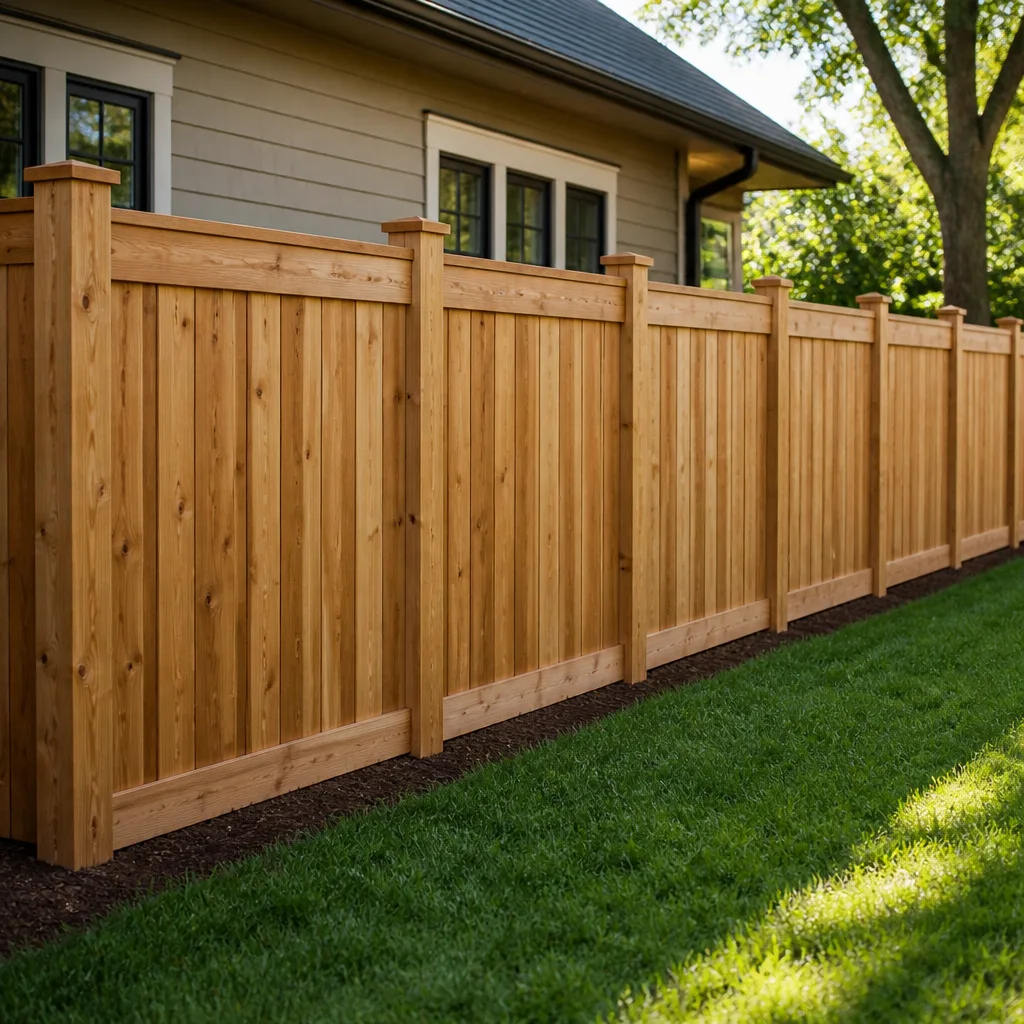 Fence
Free written scope consultation - allowances, timeline, and change-order rules on paper before a single trade is scheduled
How to Hire a Construction Contractor in Las Vegas: A Step-by-Step Guide
Almost everyone will tell you to get three bids and pick the middle one. That advice is close to useless, because three bids only help if you know how to compare them line by line, and most homeowners don’t. In Las Vegas, the contractor market moves with the casino and strip development cycle. When commercial work dries up, crews that have never run a residential job start bidding kitchens and driveways to keep cash flowing. The low number you’re handed may reflect a subcontractor roster put together two weeks ago. This guide walks through how to read a Nevada license classification, what to ask about subcontractors, how to audit a bid for what’s missing, the red flags specific to Las Vegas, and what a fair payment schedule actually looks like.
Quick Answer
To hire a construction contractor in Las Vegas, verify the contractor’s Nevada license classification matches the scope of your specific job, get a written line-item bid that names materials and brands, confirm who will physically perform each trade, and sign a payment schedule tied to completed milestones rather than a large deposit up front. Choose the contractor whose bid is the most complete and specific, not simply the cheapest. A license number alone tells you almost nothing until you’ve checked what that license is allowed to do.
Styles & brands we work with
- Kitchen remodeling
- Bathroom remodeling
- Home additions & ADU
- Roofing
- Windows & doors
- Driveway & pavers
- Fence
Table of Contents
- Why the Nevada License Number Isn’t Enough
- How to Read a Nevada Contractor License Classification
- The Subcontractor Questions You Have to Ask
- How to Audit a Bid for Scope Completeness
- Red Flags Specific to the Las Vegas Market
- What a Fair Payment Schedule Looks Like
- Why Las Vegas Climate and Codes Change the Scope
- Local Materials and Brand Accountability
Why the Nevada License Number Isn’t Enough
Nevada’s contractor licensing board has logged well over 1,200 complaints against unlicensed or improperly licensed contractors in a recent two-year window. The pattern behind most of those complaints is the same: a homeowner checked that a license number was active, felt reassured, and never looked at the classification attached to it. An active license that doesn’t cover the work being done is still a violation, and it can leave you without recourse when something goes wrong.
Here’s what to actually verify before you sign anything in Las Vegas:
- Status: active, not suspended or expired. Check the date, not just the green checkmark.
- Classification: the license category has to match the trade and scope of your project (more on this below).
- Limits: Nevada ties certain license classes to a maximum single-project value. If your job exceeds it, the contractor isn’t licensed to take it.
- Disciplinary history: the board publishes complaints and actions. A single old complaint isn’t disqualifying; a pattern of unclosed ones is.
- Insurance and bond: ask for current certificates, and confirm the dates cover your project window rather than having lapsed last year.
This takes twenty minutes. It’s the highest-value twenty minutes in the entire hiring process. A contractor who resists giving you the license number and classification in writing, before you’ve asked twice, has already told you something.
How to Read a Nevada Contractor License Classification
A C-2 masonry license does not authorize the same work as a B general contractor license, and homeowners routinely assume they do. This is the single most common licensing mistake we see in Las Vegas. The license is active, the contractor is legitimate, and the work is still outside their authorization.
The broad strokes of how Nevada classifies contractors:
- Class A (General Engineering): permits work on fixed structures like roads, bridges, and public infrastructure. Rarely what a homeowner needs.
- Class B (General Building): covers construction, remodeling, and repair of buildings and structures. This is the class most whole-home and multi-trade residential projects fall under.
- Class C (Specialty): broken into subcategories, each scoped to a single trade. C-2 is masonry. There are separate subclasses for roofing, plumbing, electrical, fencing, and so on.
A specialty contractor doing a kitchen remodel may hold a cabinetry or finish-carpentry subclass. That does not cover the structural, plumbing, and electrical work a full remodel requires. It also does not cover pulling a permit for work outside their scope. When your contractor holds a B general building license, that single license can legally carry multiple trades across one project, which matters when you’re hiring for Las Vegas Construction Co work that spans more than one category.
The practical test is simple. Ask the contractor to name their license classification and the subcategories it includes, and ask them to write it on the bid. Then confirm it against the board’s records. If a contractor says “don’t worry, we’re licensed for everything,” they’ve either misunderstood the question or are hoping you won’t press it.
The Subcontractor Questions You Have to Ask
Two contractors can both be licensed, both insure their work, and both present nearly identical bids, while carrying completely different risk profiles. The difference is whether they self-perform multiple trades or subcontract most of the work. Neither model is automatically better, but you need to know which one you’re getting.
A contractor who self-performs multiple trades has direct control over scheduling and quality. When a framing delay pushes a kitchen back a week, they resolve it inside their own business. The tradeoff is that self-performing contractors vary in how deep their bench goes across categories. A contractor who subcontracts multiple trades has access to specialists for each job but multiplies the number of relationships that can break down mid-project.
Here are the specific questions to ask, in order:
- “Which trades will your own people perform, and which will be subcontracted?” Get a straight answer per trade. If a contractor can’t answer this clearly, they either haven’t scoped it or won’t tell you.
- “Can I see the subcontractors’ licenses?” In Nevada, subcontractors need to be licensed too. Specialty trades like roofing and electrical should be licensed in their own right.
- “How long have you worked with these subcontractors?” A roster assembled two weeks ago and a roster built over several projects carry different risk.
- “Who is my point of contact once work starts?” Ask for a name and a role, not a general office line. You want one accountable person, not a call center.
- “What happens if a subcontractor walks off the job?” A well-run contractor has a backup plan and, ideally, a contract provision covering it.
A contractor who self-performs a trade has a different timeline structure too. They can usually reallocate crew hours when a stage runs long. A contractor managing a chain of subcontractors has to work within each sub’s availability. Neither timeline is inherently faster, but it changes what you can expect if the schedule slips.
How to Audit a Bid for Scope Completeness
The cheapest bid is usually not a better deal. It’s a shorter scope. Low bids are lower for a reason, and that reason is always something that was quietly left off. Below are the five line items we most often see missing from low Las Vegas bids. Pull out any bid you’re considering and check whether each item appears with a specified price and material.
- Demolition and debris removal. Tearing out an old driveway, fence, or kitchen is labor. Hauling it is a separate line. A bid without both means one of those costs comes back to you later.
- Permit fees and inspection allowances. Las Vegas has permit requirements for most structural, plumbing, electrical, and roofing work. A bid that says “permits at cost” or doesn’t mention permits at all is a bid that will increase once the work starts.
- Site prep and grading. For any exterior work like a driveway or paver patio, base preparation and grading are not optional. If the bid doesn’t itemize them, either they’re cutting the base or they’re hiding the cost.
- Finish and trim schedules. A kitchen bid that names cabinets but not hardware, countertop edge profiles, backsplash materials, or finish trim has priced only part of the kitchen.
- Cleanup and final disposal. Post-job cleanup and removing construction debris is a line item. Every homeowner who has found a driveway full of nails after a contractor left understands why.
A complete bid names materials with manufacturer and product line, lists every stage in sequence, and totals the cost of each. When a contractor like Las Vegas Construction Co carries named manufacturer brands across the trade categories on your project – say GAF, CertainTeed, and Owens Corning on the roofing side, or KraftMaid and Wellborn cabinets in a kitchen – you can compare their bid against another bid by brand, not by vague description. That’s why we ask homeowners to insist on named materials before signing anything: two bids that read “mid-grade shingles” aren’t the same product, so they can’t be compared by price.
If you want a sense of how a properly itemized exterior bid looks, our driveway & pavers page walks through the brand lines and spec levels we work from. The same principle applies across every category.
Red Flags Specific to the Las Vegas Market
Las Vegas contractor availability swings with the commercial development cycle. When big strip projects ramp up, the best residential contractors are booked out. When they slow down, crews recirculate fast, and a contractor who has been running commercial work for years may suddenly be bidding residential work. There’s nothing wrong with that in principle. There’s a lot wrong with the version where the contractor is using your residential deposit to bridge a cash-flow gap on a stalled commercial job.
Watch for these:
- Heavy commercial branding on a residential quote. A contractor whose portfolio and marketing are entirely strip or commercial work may have no residential crew and no residential permit experience.
- Pushing for a large deposit before permits are pulled. A deposit is normal; using it to fund permits on another job is not. If the contractor asks for a deposit and then takes weeks to pull a permit that should take days, that’s a cash-flow signal.
- License classification that doesn’t match the scope. A C-class specialty license on a project that requires multiple trades is a red flag regardless of how the bid reads. Re-read the previous section on classifications.
- Unwillingness to put brand names in writing. “We install premium shingles” is not a material commitment. “We install [named manufacturer] in this product line” is. If they won’t specify, don’t assume.
- Bid going straight to the highest number with no breakdown. Contractors who bid by lump-sum with no line items are either hiding the margin or working from a template they can’t explain.
- Word-of-mouth recommendation from someone who used them two years ago. Not a red flag on its own, but verify recent residential work in your zip code, not commercial work from years back.
Las Vegas has a long, well-documented history of contractors who look good in a handshake meeting and disappear once the deposit clears. None of the above proves a contractor is bad. Together, they lower the confidence with which you can hire them. For projects that will run past a few weeks, ask for proof that their subcontractors have been paid on the last three jobs they completed.
What a Fair Payment Schedule Looks Like
Most home improvement financing advice assumes the contractor will ask for a reasonable deposit. In practice, many Las Vegas contracts open with a deposit that’s larger than it sounds, and homeowners rarely read how the rest of the money is structured. A fair payment schedule tracks completed work, not the calendar.
Here’s the general structure most reputable contracts follow:
- Small mobilization deposit: enough to cover materials ordering and crew scheduling, not half the job. Typically lower for short projects and proportional for larger ones.
- Milestone payments: tied to a stage actually being finished and inspected. For a kitchen, that might be demo complete, cabinets delivered and installed, countertops templated and set, finished and cleaned up.
- Materials-heavy payments where materials dominate the scope: a roofing job has a large material cost, so a portion of the deposit legitimately goes to shingles, underlayment, and flashing.
- Retainage on larger projects: holding back a small percentage until final walkthrough is standard on additions and ADUs.
- Final payment at sign-off: due on punch-list completion and your written approval, not on “substantial completion” as defined only by the contractor.
Watch for contract language that ties payments to dates rather than stages. A schedule that says “second payment due June 15” instead of “second payment due when framing passes inspection” puts the risk on you if the job stalls. Also check whether the deposit is called a deposit or a retainer; they’re often used interchangeably but handled differently under contract terms. If the contract is unclear on any of this, ask the contractor to rewrite it before signing. A reputable contractor will.
Why Las Vegas Climate and Codes Change the Scope
Las Vegas is a desert at about 2,000 feet, in a valley ringed by mountains, with summer highs that regularly push past 110°F and a monsoon season in July and August that can turn a dry wash into a flash flood in under an hour. That combination changes how construction is scoped here in ways a contractor from another region won’t anticipate.
- Exterior materials take a UV beating. Roofing, siding, fencing, and driveway surfaces degrade differently in a desert than in a cooler climate. That’s part of why material selection matters more here than generic bids suggest. Products like Atlas, Tamko, and Boral are formulated for varying exposure profiles, and the choice should match the exposure, not just the price.
- Drainage matters. A driveway or paver patio needs correct grading to shed water off and away during a 20-minute monsoon burst. If the grading isn’t itemized in the bid, it wasn’t planned.
- Permits vary by jurisdiction. Structures inside Las Vegas city limits, unincorporated Clark County, and the neighboring cities have different permitting requirements and inspection timelines. A contractor who works the whole valley should know which jurisdiction your project falls under.
- Wind and heat affect roofing. In desert heat, roofing underlayment and adhesives have different working-temperature limits. If a roofing contractor doesn’t mention timing around the heat of the day, ask.
A bid that doesn’t account for local climate and code requirements is a bid that will add cost later. When you’re vetting contractors for exterior work like fence installation, ask specifically how their approach handles wind uplift and monsoon drainage.
Local Materials and Brand Accountability
Homeowners who ask about brands before signing tend to end up with fewer change orders. That’s not a coincidence. A contractor who names the specific product line in the contract has committed to a deliverable. A contractor who says “we use quality materials” has committed to nothing.
Here’s what to ask about materials, category by category:
- Roofing: ask for the manufacturer and the product line. A named line from a manufacturer with an established warranty program is verifiable; “architectural shingles” is not.
- Cabinetry: ask whether the cabinets come from KraftMaid, Wellborn, or a shop-grade brand. The answer determines warranty terms and box construction specs.
- Countertops: Cambria, Silestone, and Caesarstone are engineered quartz products with defined performance characteristics. A bid that just says “quartz” doesn’t specify anything you can verify.
- Fixtures: Kohler, Moen, Grohe, Delta are all legitimate; the point is that the bid names one.
- Windows and doors: a performance-matched window selection depends on which manufacturer’s product you’re using. A “standard vinyl window” isn’t a line item.
- Paver and hardscape: Belgard, Unilock, and Techo-Bloc all carry brand warranties and design support, which is the reason to name the brand rather than accept a generic “concrete pavers” line.
The point of asking about brands is not that only one brand is right for every Las Vegas home. It’s that a specific brand and product line is a commitment you can hold a contractor to. If you want to see how this works in a real project category, our home additions & ADU page explains the difference between prefab and stick-built paths and the brands behind each.
“Built to manufacturer spec” is the other half of that commitment. Naming a brand means the product is installed according to the manufacturer’s guidelines, which is what preserves the manufacturer warranty. A contractor who installs a named product outside spec voids that warranty as surely as if they’d used an unbranded product.
Common Mistakes to Avoid
- Verifying the license but not the classification. The most common mistake we see in Las Vegas. A license number is only the first check. The classification tells you what work the license actually authorizes, and those are two different pieces of information.
- Choosing the lowest bid without comparing line items. A bid that’s $4,000 lower is usually a scope that’s missing three line items. Compare bids side by side, item by item, and the reason for the gap becomes obvious.
- Signing a payment schedule tied to dates, not stages. If the payments are tied to calendar dates instead of completed work, the risk shifts to you if the contractor falls behind. Insist on stage-based payments with a punch-list holdback.
- Accepting “premium materials” without a named brand. A contract should name the manufacturer, product line, and color or finish. “Quality shingles” and “premium cabinets” are not commitments. Named products are.
- Skipping the subcontractor question. Who physically does the plumbing, electrical, and framing on your project matters. Ask before signing, not after the drywall is up.
- Picking a contractor off the strip-cycle recommendation without checking residential work. A glowing reference from someone who used a contractor two years ago on a strip-adjacent project isn’t a residential reference. Verify recent residential work, or a book of it, before signing.
- Assuming one bid covers everything the others do. Two bids with different totals might not cover the same scope. The bid with the lowest number often means the biggest gap. Read both to the last line.
See the difference
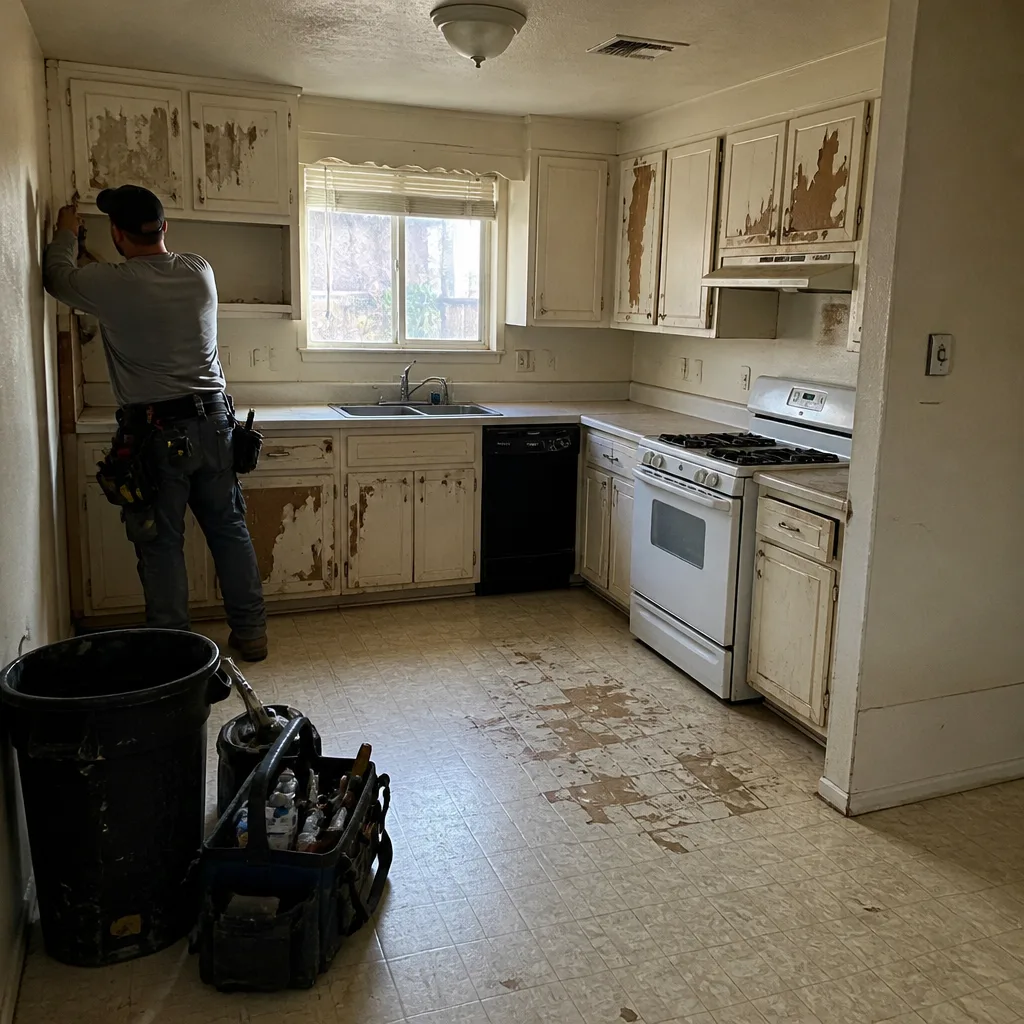 Before
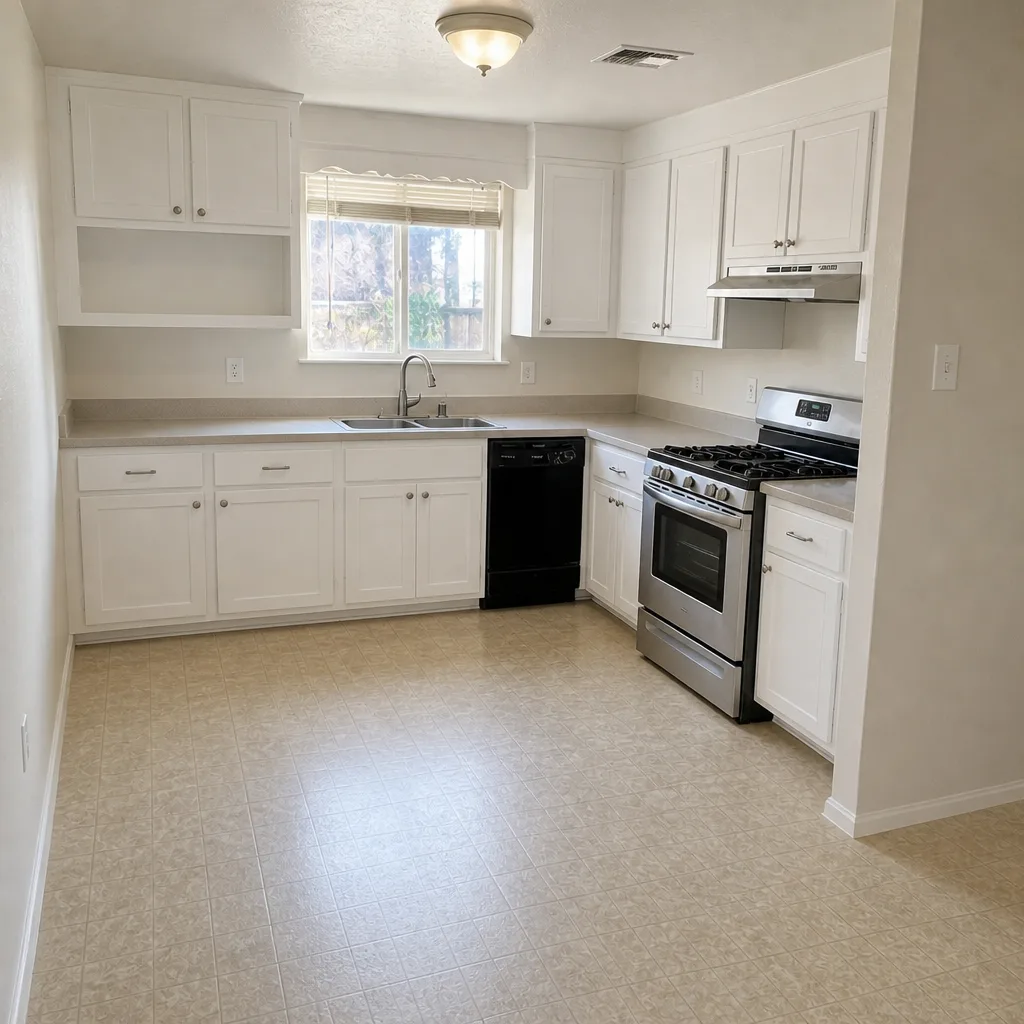 After
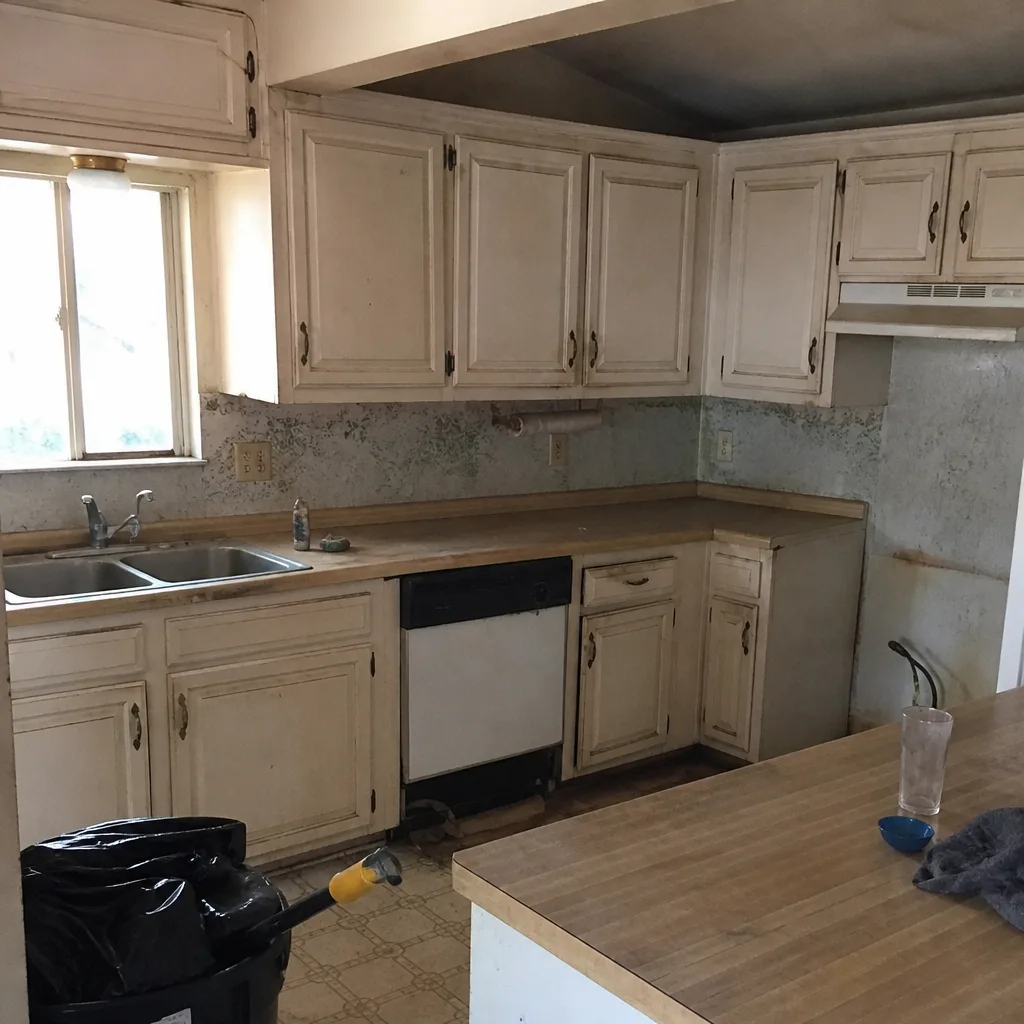 Before
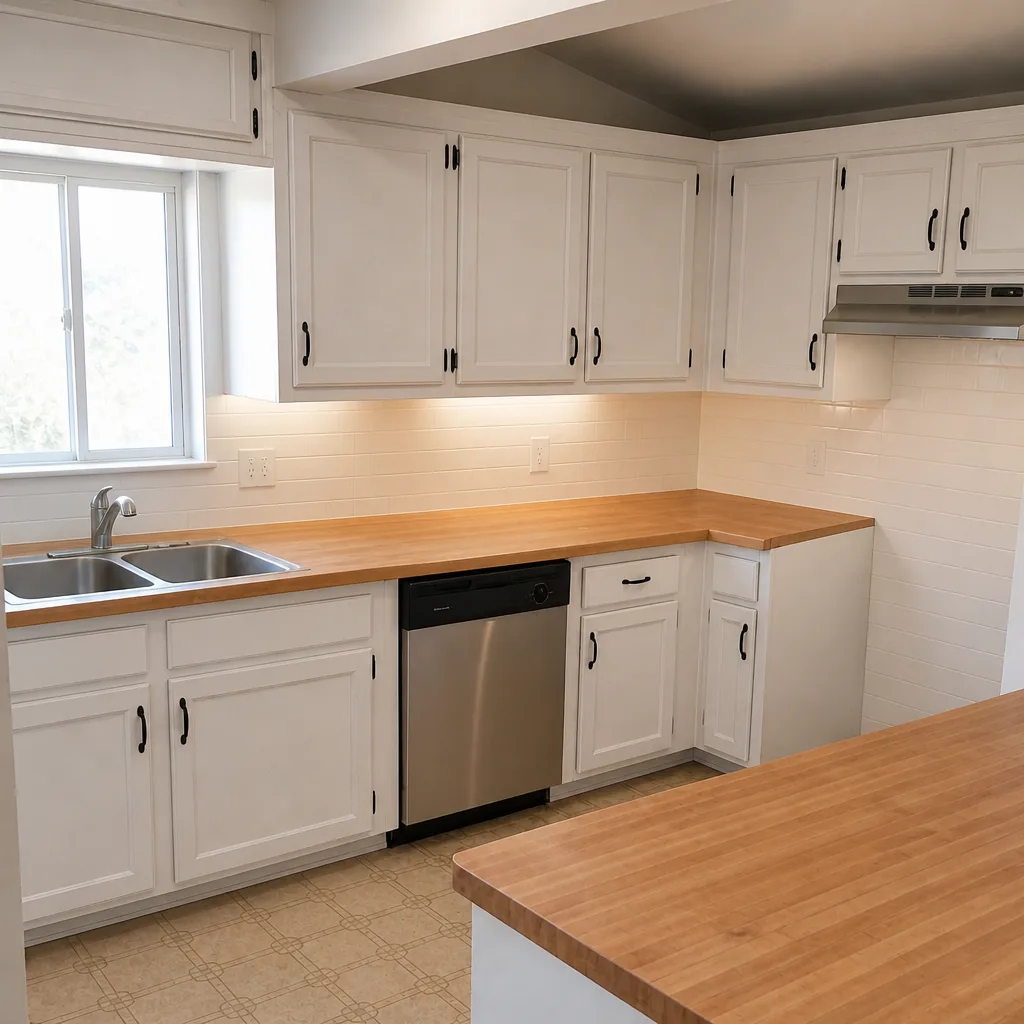 After
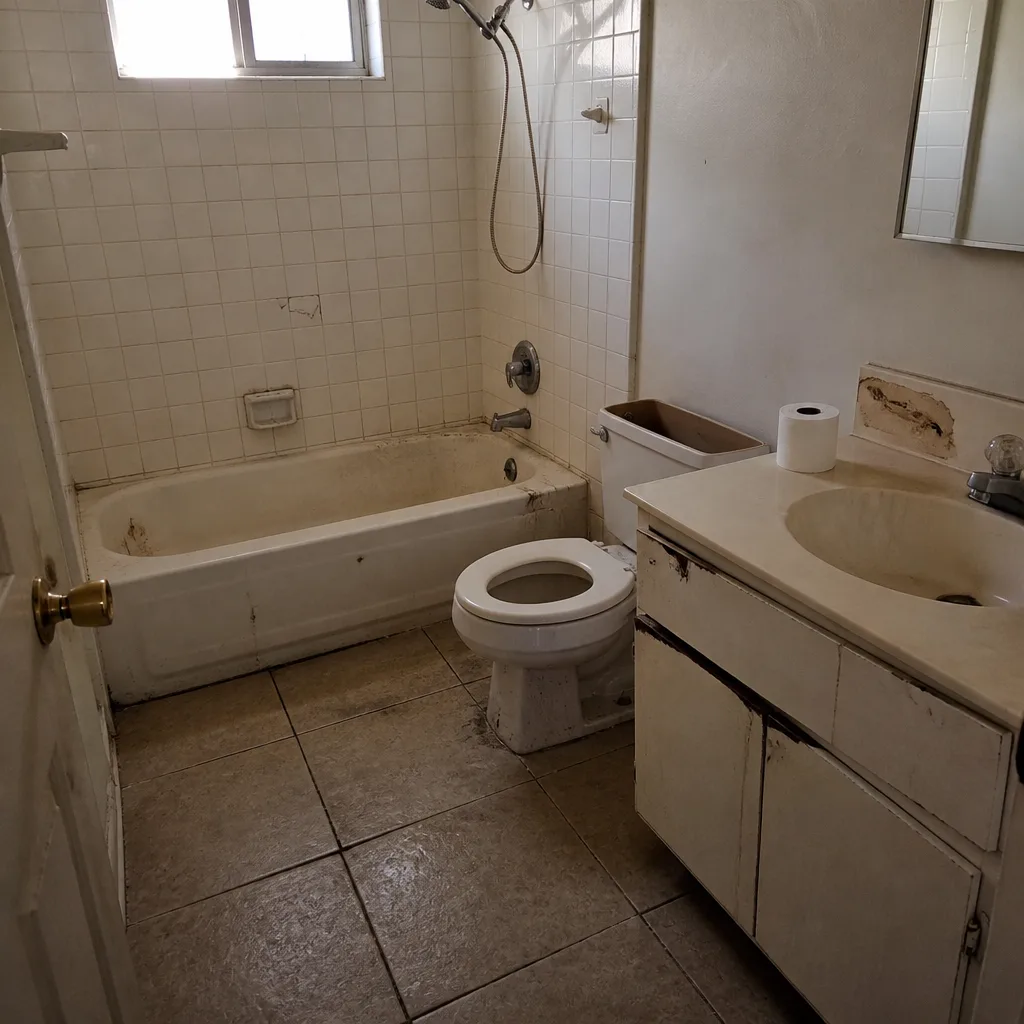 Before
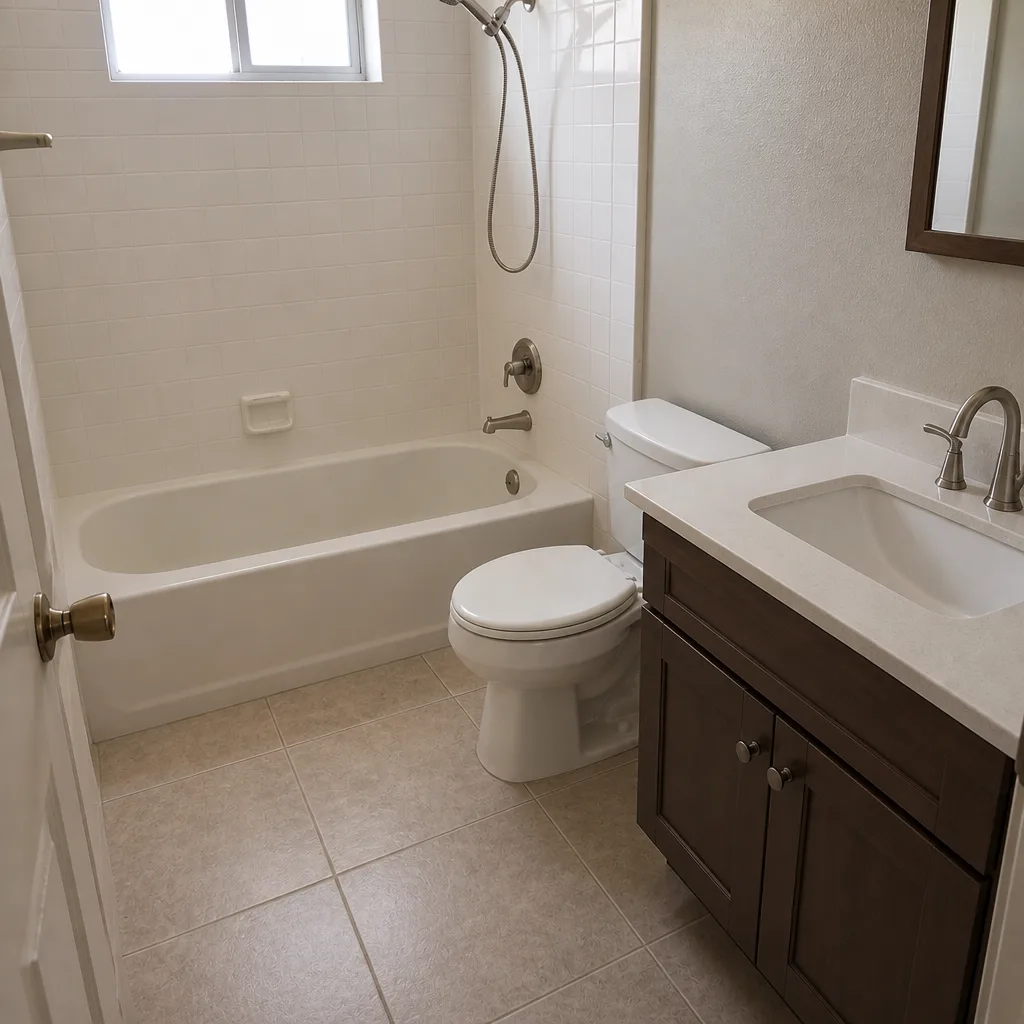 After
When to Call a Professional
Some projects are straightforward weekend work. But when a project touches structural framing, electrical or plumbing systems, requires a permit, or involves materials that need manufacturer warranty coverage, you should be hiring a licensed contractor rather than taking it on yourself. Roofing in Las Vegas needs a permit and involves working at height in desert heat. Kitchen and bathroom remodels involve moving plumbing and electrical. ADUs and additions wouldn’t be legal without a permit, and the contractor will need to be licensed in the right classification for all of it. In each case, the risk of a non-permitted job catching up with you at resale is real and can cost more than the job itself.
Las Vegas Construction Co offers free estimates in Las Vegas. Call (844) 629-1061. We answer 24/7. Fast dispatch from 7am to 7pm, Sunday through Friday.
Frequently Asked Questions
Look up the contractor on the Nevada State Contractors Board website, confirm the license is active, and confirm the classification matches your project scope. A license number alone isn’t enough; a C-2 masonry license doesn’t authorize general building work. Call (844) 629-1061 to ask us to walk you through our license documentation before you commit to anything.
Rarely, and only if it’s a complete bid that happens to be lower for a legitimate reason like a smaller crew that can schedule sooner. The cheapest bid is usually the shortest scope, and the missing line items are the ones that cause a mid-project change order. Compare line items, not totals. Call (844) 629-1061 for a written line-item estimate – ours is free.
Ask which trades they self-perform, which they subcontract, whether the subcontractors are separately licensed, and how long they’ve worked with each one. You want to know exactly who will be in your house and on your property, and you want the answer before you sign. Call (844) 629-1061 to ask us directly.
Desert heat degrades exterior materials faster, and monsoon season makes drainage and grading critical for driveways, patios, and fencing. Material selection should account for UV exposure and wind, not just price. A bid that doesn’t address local climate conditions is incomplete. Call (844) 629-1061 to discuss your project’s specific conditions – estimates are free.
A fair payment schedule is tied to completed and inspected stages of work, not calendar dates. You should expect a modest mobilization deposit, milestone payments tied to finished work, and a retainage released at final walkthrough. Call (844) 629-1061 to review a sample payment schedule before you commit.
Permits are required for structural, plumbing, electrical, and most roofing work in Las Vegas, and the requirements can vary between the city, unincorporated Clark County, and neighboring jurisdictions. A licensed contractor should pull the permit on your behalf and list the permit fee in the written bid. Call (844) 629-1061 to ask what’s required for your specific scope.
The Bottom Line
The best contractor isn’t always the cheapest or the most available; it’s the one whose bid is specific enough to compare, whose license classification matches your scope, whose subcontractor roster you can verify, and whose payment schedule ties your money to finished work. In Las Vegas, where contractor availability swings with the commercial development cycle, those four checks matter more than any single bid number. Run through them before you sign anything. The twenty minutes you spend reading classifications and line items is the highest-value time in the entire hiring process. If you’d rather compare a bid against a complete one, call us.
Call (844) 629-1061 for a free estimate. We answer 24/7. Fast dispatch from 7am to 7pm, Sunday through Friday. We serve Las Vegas homeowners across seven construction categories, with named manufacturer brands across every trade.
Written by the team at Las Vegas Construction Co.