
Last updated November 17, 2026
 Home additions & ADU
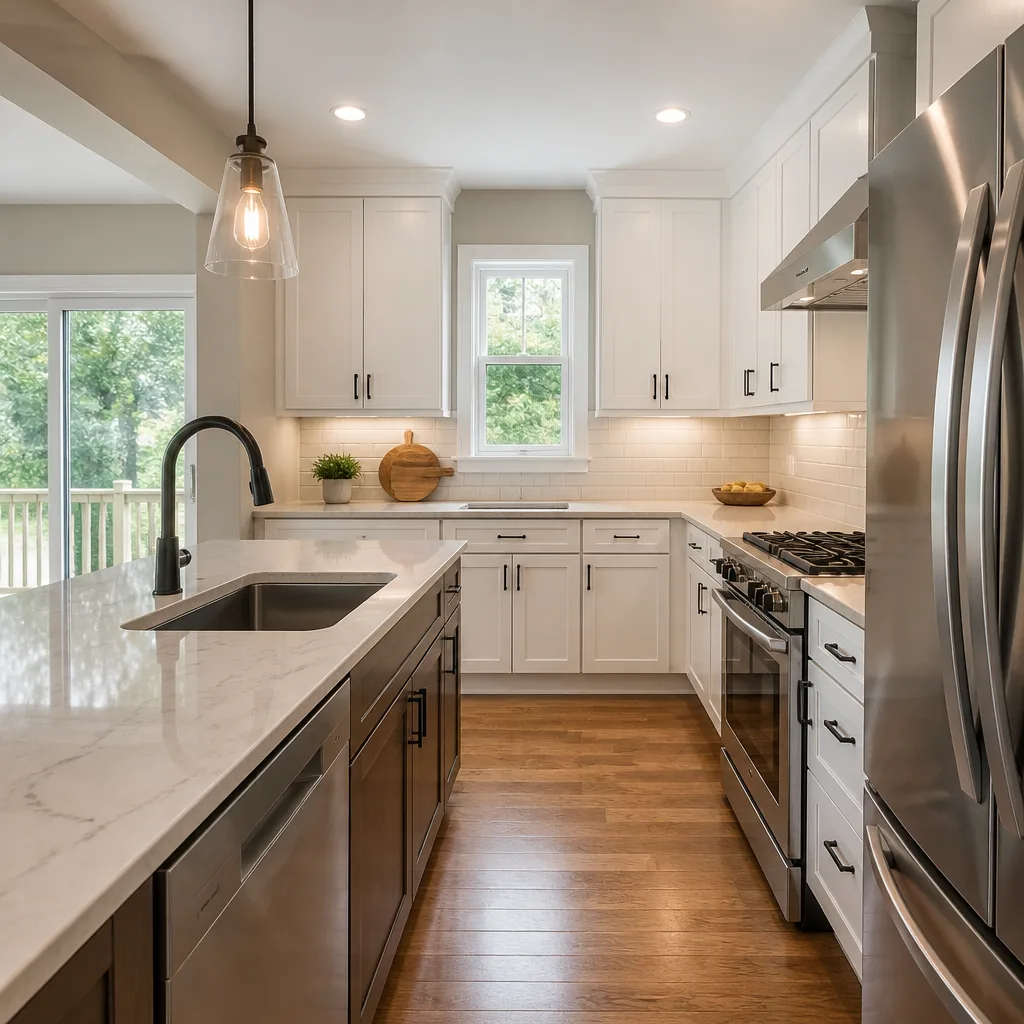 Kitchen remodeling
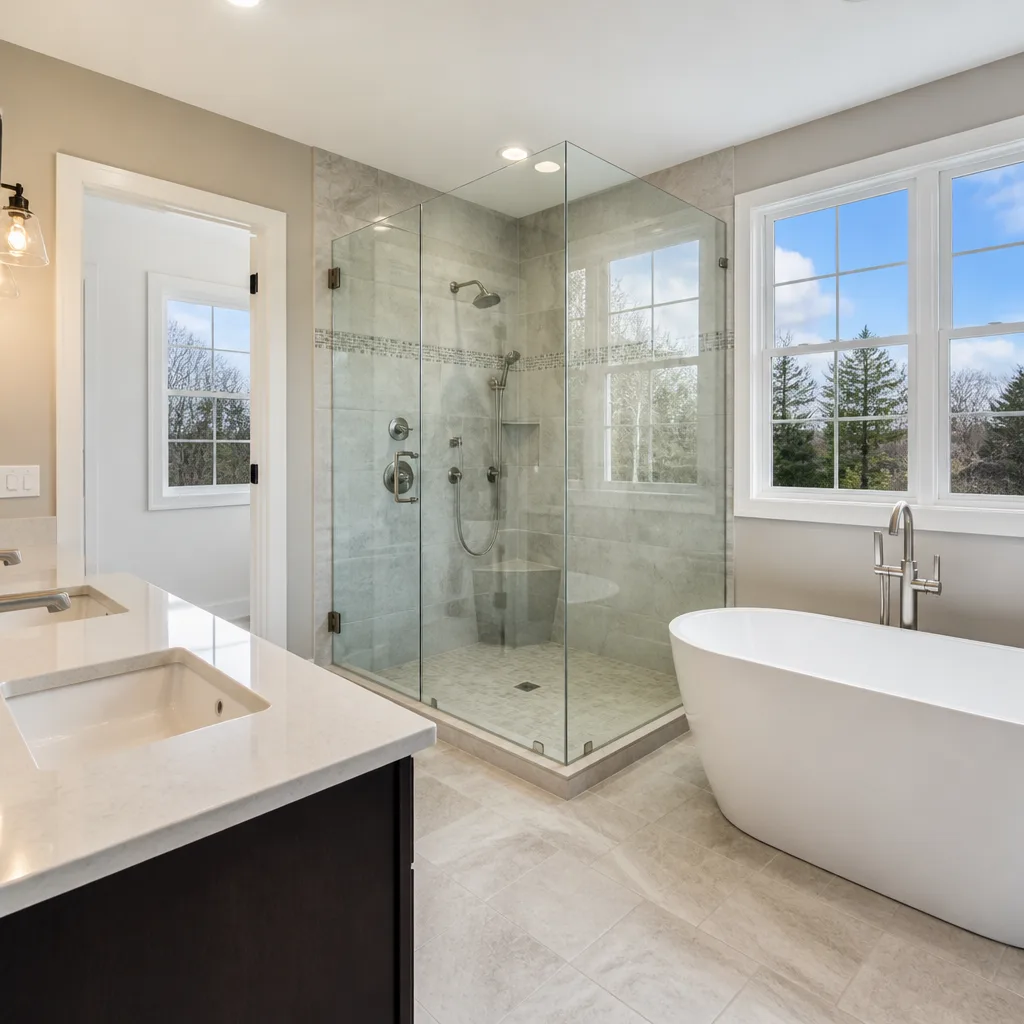 Bathroom remodeling
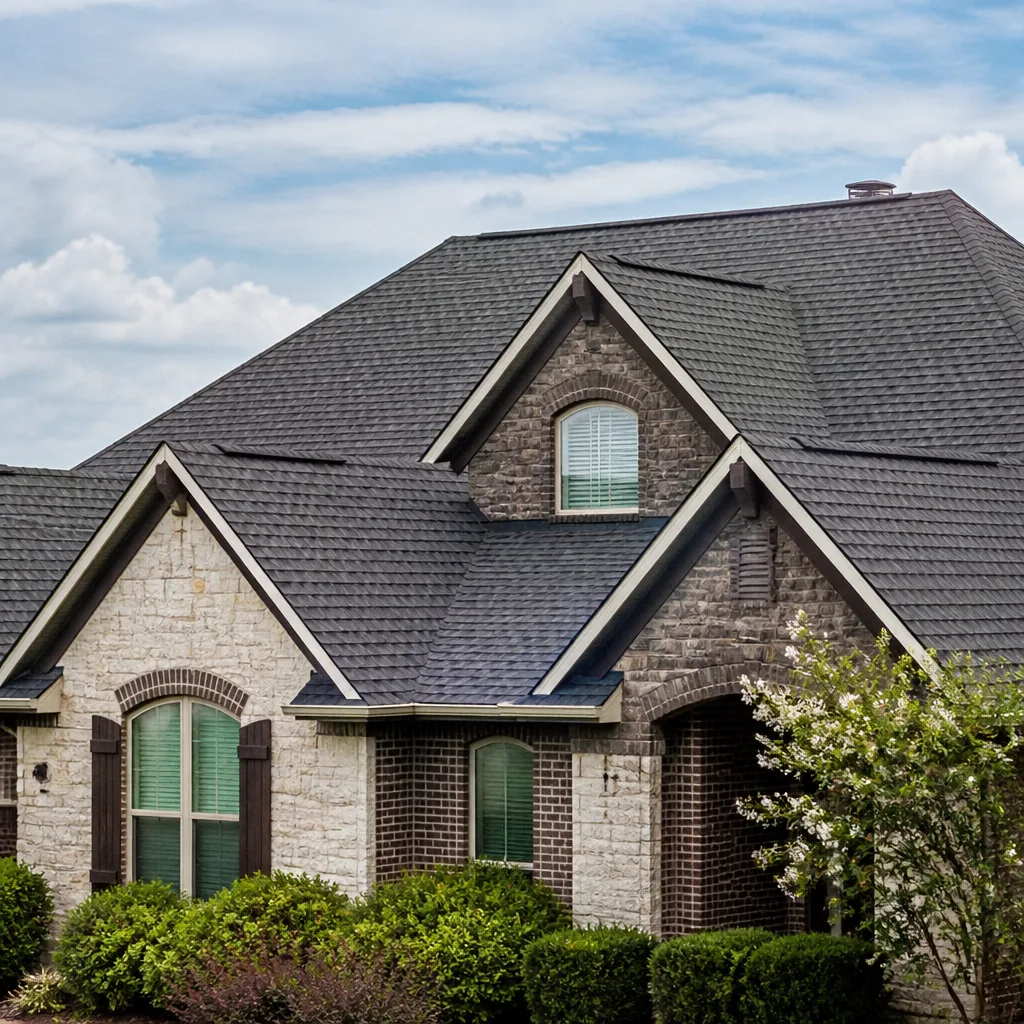 Roofing
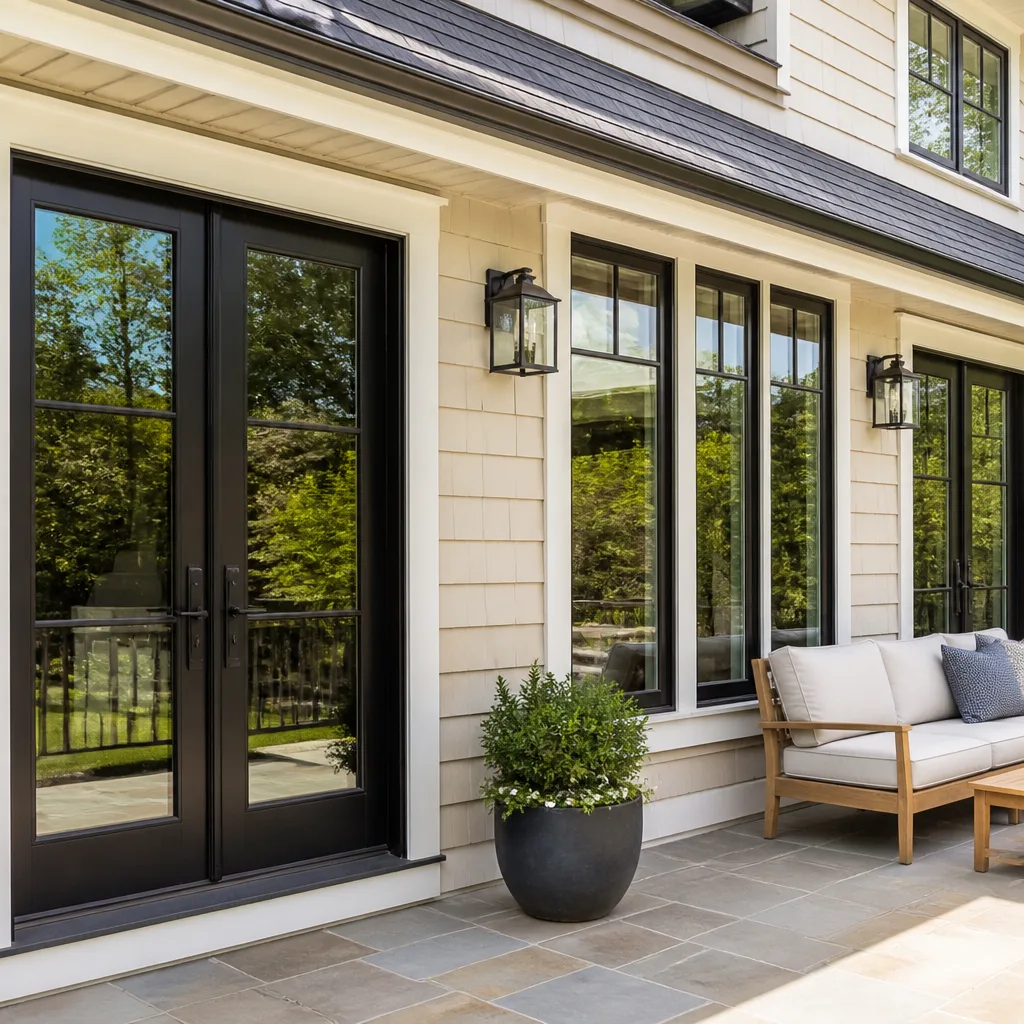 Windows & doors
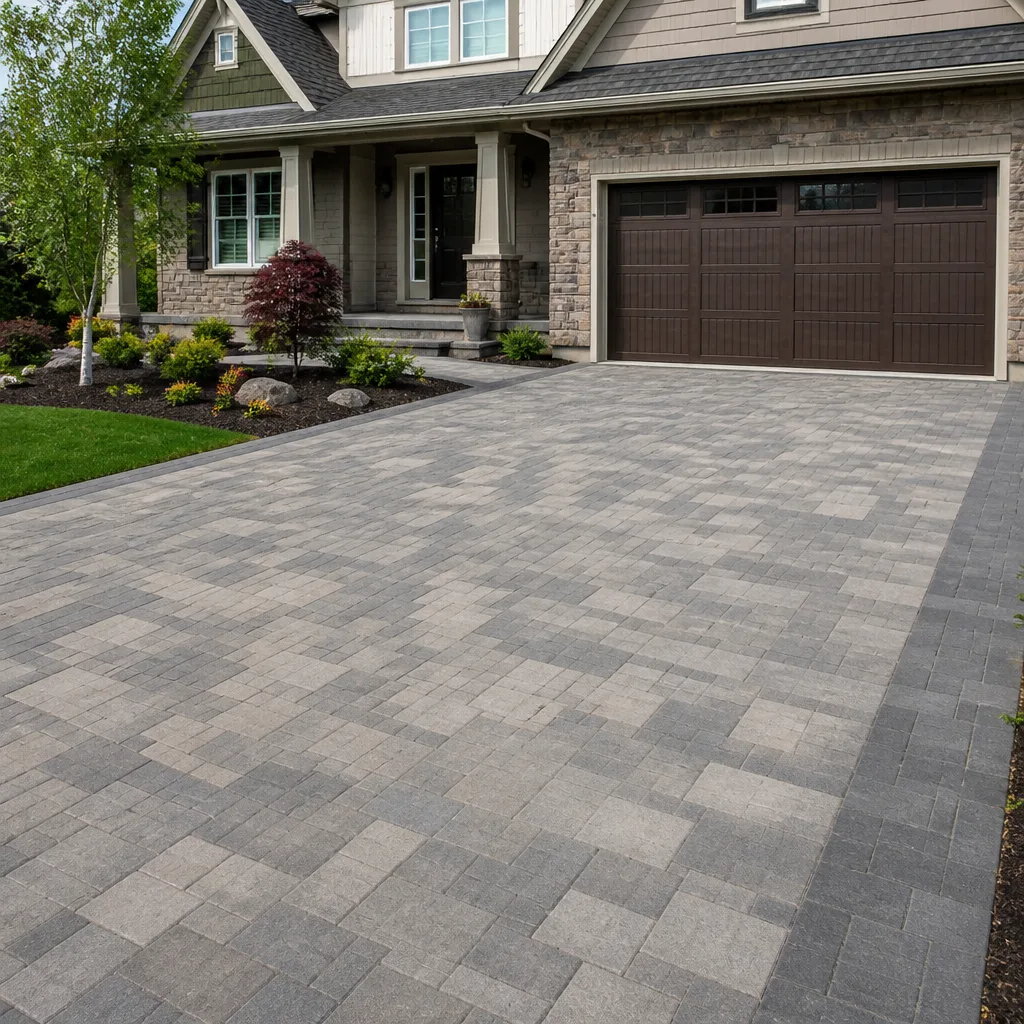 Driveway & pavers
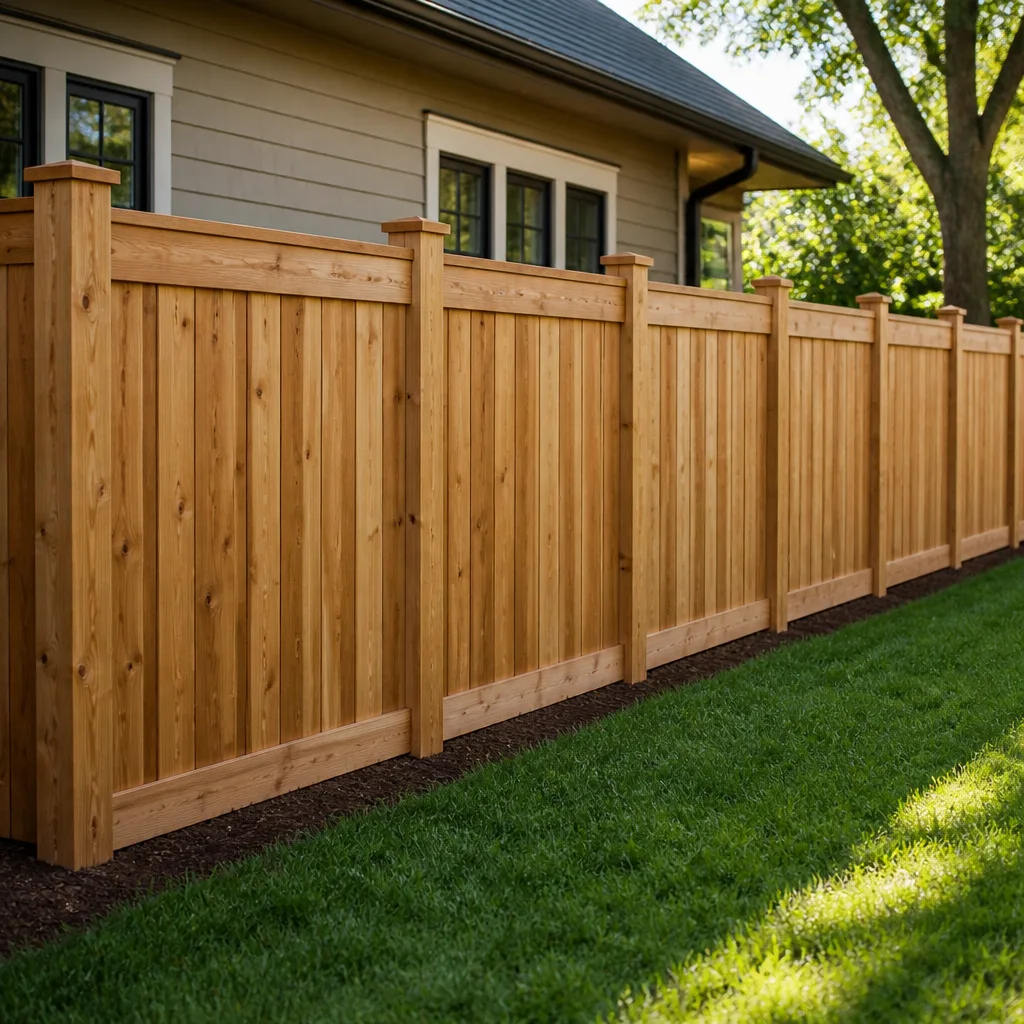 Fence
Free written scope consultation - allowances, timeline, and change-order rules on paper before a single trade is scheduled
Seasonal Construction Care for Las Vegas: Year-Round Homeowner’s Guide
Most Las Vegas homeowners assume the desert is easy on a house. No snow load, no salt air, no freeze-thaw cycle pounding the foundation every spring. That assumption is the problem. Las Vegas gets more annual UV radiation than Miami, and that sun does its damage slowly, in ways you don’t notice until a caulk joint has failed, a stucco crack has let water behind the wall, or a roof membrane has baked past the point of patching. The harm compounds year over year, and a small repair quietly turns into a full replacement. This guide lays out a quarter-by-quarter maintenance calendar built around the valley’s real climate events, tells you which jobs have to happen before monsoon season, and shows you what to actually look for on stucco, flashing, and window caulk. You’ll know exactly what’s aging on your home and when to catch it.
Quick Answer
Seasonal construction care in Las Vegas follows three anchors: prep the exterior for extreme heat before summer, check drainage and seal every opening before monsoon season in July through September, and schedule exterior projects during the mild winter window when temperatures cooperate with sealers, paint, and concrete. The single highest-value habit is inspecting caulk, flashing, and stucco twice a year, because UV and thermal cycling degrade those materials faster here than product labels suggest.
Styles & brands we work with
- Kitchen remodeling
- Bathroom remodeling
- Home additions & ADU
- Roofing
- Windows & doors
- Driveway & pavers
- Fence
Table of Contents
- Why the Desert Is Harder on Your Home Than You Think
- The Las Vegas Seasonal Maintenance Calendar
- The Monsoon Checklist: What Must Happen Before July
- How to Inspect Stucco, Roof Flashing, and Window Caulk for UV Damage
- The Winter Window: Why Exterior Projects Belong in the Cool Months
- Materials and Brands That Hold Up Longer in Desert Conditions
- The Case for One Contractor Who Knows Your Home’s Material Spec Sheet
- Common Mistakes to Avoid
- When to Call a Professional
- Frequently Asked Questions
Why the Desert Is Harder on Your Home Than You Think
The mild-climate assumption falls apart the moment you look at what UV exposure actually does to building materials. Las Vegas sits at high elevation with thin cloud cover and intense year-round sun. That combination breaks down the chemistry of anything left exposed. Caulk loses its elasticity and pulls away from joints. Paint chalks and fades. Asphalt shingles and their sealing strips brittle and crack. Concrete and pavers fade and hairline-crack along control joints.
The second force is thermal cycling. Summer days swing from cool mornings to triple-digit afternoons and back down at night. Every material on your home expands and contracts through that range, thousands of times over the years. The joints between different materials – stucco to window frame, roof edge to fascia, driveway to garage slab – take the brunt because the two sides move at different rates.
Here’s what that means in practice:
- Caulk and sealant are consumables in Las Vegas, not permanent. They need inspection twice a year and replacement on a predictable cycle.
- Roofing ages from sun exposure on the top surface, not from weather on the bottom. The granules that shield asphalt shingles wear away faster under constant UV.
- Stucco is durable but rigid. Hairline cracks are normal; cracks that open wide enough to admit water are not, and water behind stucco has nowhere to go.
- Exterior paint on fascia, trim, and doors fades and chalks from UV before it fails for any other reason.
None of this happens overnight. That’s exactly why it gets ignored – and why the cumulative bill is so much larger than a homeowner expects. Catching a failing caulk line is a Saturday task. Catching it after a monsoon has pushed water behind the stucco is a construction project.
The Las Vegas Seasonal Maintenance Calendar
Build your maintenance calendar around the events that actually happen in the valley, not the generic four-season template you’ll find on most home-care sites. Las Vegas has three meaningful construction seasons, and they dictate what to do and when.
Spring (March to May): Pre-Summer Heat Prep
This is the window to get ahead of the heat. The goal is to button up the exterior before temperatures lock everything in place.
- Walk the perimeter and re-caulk any window, door, and penetration joint that shows gaps, cracking, or shrinkage. Sealant applied now cures properly before the heat sets in.
- Inspect the roof surface from a safe vantage or with a professional. Look for lifted or missing shingles, worn granules, and failed flashing at the chimney, vents, and valleys.
- Check exterior paint for chalking and fading on fascia, trim, and south- and west-facing walls, which take the most sun.
- Have the AC condenser pad, the driveway, and any concrete slabs inspected for cracks that will widen through the summer.
- Get on the schedule for any planned exterior project now – roofing, driveway & pavers, or fence installation – so work can land in the cooler months.
Summer (June to September): Monsoon Defense
July through September brings the monsoon – sudden, intense storms that drop more water in an hour than the ground can absorb. This is when the drainage and sealing work you did in spring pays off, and when unsealed openings become a liability. We’ll cover the full checklist in the next section.
Fall (October to November): The Mild Window Opens
As temperatures ease, this becomes the best time of year for exterior construction in Las Vegas. Sealers, paints, concrete, and pavers all behave better in moderate heat, and crews can work comfortably through a full day. If you’ve been deferring an exterior project, this is when it belongs.
Winter (December to February): Exterior Projects and Interior Focus
Winter is the other half of the mild window – ideal for long exterior jobs and a natural time to bring attention indoors. If a kitchen or bathroom remodel has been on the list, this is when the schedule opens up. We’ll cover the reasoning below.
The Monsoon Checklist: What Must Happen Before July
The most common source of emergency construction calls across the valley is water intrusion during monsoon season – water finding a way into a home through openings and drainage failures that were entirely preventable. The work that prevents it has to be finished before the storms arrive, which means the real deadline is the end of June, not the first storm.
Run this checklist before monsoon season every year:
- Clear and test your drainage. Sweep debris, gravel, and landscape material out of scuppers, gutters, downspouts, and the swales or channels that carry water away from the house. Confirm that water has a path off the property and away from the foundation.
- Inspect the roof for water paths. Look at flashing around the chimney, skylights, and vents. Water intrusion rarely comes through the field of the roof; it comes through a failed flashing detail or a lifted shingle edge.
- Check the ground next to the house. Soil and landscape grade should slope away from the foundation, not hold water against it. In new Las Vegas subdivisions, the finished grade sometimes settles and reverses.
- Seal every opening. Windows, doors, hose bibs, utility penetrations, and the joint where an addition or patio cover meets the main structure. Any gap that admits wind-blown rain is a gap to close.
- Check the stucco at the base of the walls. Stucco that extends below the finished grade or sits in a puddle zone will wick water. Look for staining and efflorescence – the white powdery mineral deposits that signal moisture behind the surface.
- Verify that exterior doors and garage doors seal. Weatherstripping and door sweeps fail quietly. Test them with a hose or by watching for daylight around the edges.
If any item on that list turns up a real problem, don’t wait for the monsoon to confirm it. A failing flashing detail or a gap at a door frame is far cheaper to fix in May than to repair after water has entered the wall cavity.
How to Inspect Stucco, Roof Flashing, and Window Caulk for UV Damage
General advice to “check for cracks” is useless. Here’s what actually indicates UV and thermal-cycle damage on the three most exposed parts of a Las Vegas home.
Stucco
Stucco is a cement-based finish, and in Las Vegas it takes constant thermal cycling. What to look for:
- Hairline cracks less than the width of a credit card are normal and usually cosmetic.
- Cracks wider than a credit card, or cracks that run diagonally from the corners of windows and doors are worth a professional look. These often trace back to movement at an opening where flashing or framing failed.
- Efflorescence – white, chalky mineral staining – means water is moving through the stucco and carrying salts to the surface. Find the source of the water, not just the stain.
- Hollow sounds when tapped can indicate that the stucco has debonded from the wall, common around old repairs or where water got behind the finish.
- Staining under windows and at the base of walls suggests water is running behind the stucco or pooling against it.
Roof Flashing
Flashing is the metal that seals the joints where the roof meets walls, chimneys, vents, and other roof planes – it’s where most water intrusion starts. What to look for:
- Lifted, curled, or separated flashing where a wall meets the roof, or where a chimney or vent penetration is sealed.
- Cracked or missing sealant along the top edges of flashing – the sealant is a consumable that fails in UV long before the metal does.
- Rust streaks on shingles or fascia below a flashing point, which indicate water is running where it shouldn’t.
- Discoloration or staining on the roof deck or ceiling inside that lines up with a penetration above.
- Lifted shingle edges at the roof perimeter and ridge, where wind and sun do the most damage. This is common on homes in the newer communities on the valley’s edges, which face open ground and stronger wind.
Window and Door Caulk
Caulk is the fastest-aging component on your exterior and the cheapest to replace – which is exactly why it’s the first thing to inspect. What to look for:
- Shrinkage and pulling away at the joint between the window frame and the stucco or siding. A gap that opens up admits wind-blown rain and insects.
- Cracking, peeling, or crumbling along the caulk line. If it fails the thumbnail test – you can press a groove into it – the caulk is no longer doing its job.
- Caulk that looks chalky or faded on south- and west-facing windows is the first to go.
- Gaps at the corners of window frames, where two planes of caulk meet. These are the highest-stress points on the whole assembly.
In our experience across the valley, sun-facing sides of a home fail years before the shaded sides do. It pays to inspect all four orientations separately rather than making one pass around the perimeter and calling it done.
The Winter Window: Why Exterior Projects Belong in the Cool Months
Summer heat isn’t just uncomfortable to work in – it actively fights some construction processes. Sealers and coatings cure unevenly in extreme heat. Concrete and mortar set too fast and lose strength if they dry too quickly. Crews working in triple-digit afternoons make more mistakes. The mild months from roughly November through March are when exterior work in Las Vegas goes right.
That makes winter the natural time to plan and complete:
- Roofing and re-roofing, when installers can work through the day and materials behave predictably.
- Driveways and pavers, when concrete and paver base compaction aren’t racing the heat.
- Fence installation, which involves setting posts and running long lines that go faster in moderate temperatures.
- Exterior paint and sealant, which cure best in a moderate range rather than extreme heat or cold.
- Windows and doors, which involve removing and reinstalling assemblies with sealant at every opening – a job that’s easier when sealant isn’t baking on contact.
Winter is also when interior work flows smoothly. A kitchen or bathroom remodel keeps the home’s attention indoors during the mild months, and it lets exterior maintenance happen in the shoulder seasons. Use the cold months for both.
Materials and Brands That Hold Up Longer in Desert Conditions
The single best way to extend your maintenance cycle responsibly is to install materials that are actually rated for sun and thermal cycling, and to have them installed to manufacturer spec. That last part matters as much as the material itself: a name-brand product installed off-spec loses its warranty and its performance advantage.
Here’s where brand choice makes a real difference in the valley:
- Roofing. Shingle manufacturers like GAF, CertainTeed, Owens Corning, IKO, Atlas, Tamko, and Boral build specific product lines with UV-resistant granule technology and sun-rated underlayments. A roof installed to the manufacturer’s required nailing pattern, ventilation, and flashing details will last meaningfully longer in Las Vegas than one installed to a shortcut. Ask for the product line, not just the brand name.
- Windows and doors. Impact-rated and specialty manufacturers like PGT, CGI, ES Windows, ECO Window Systems, Therma-Tru, and ViewLux build frames and seals engineered to hold up under intense sun exposure.
- Hardscape. Paver brands like Belgard, Unilock, Tremron, Techo-Bloc, and Cambridge Pavers offer product lines with fade-resistant finishes and established warranties – a real advantage when concrete and pavers are getting baked by the summer sun.
- Exterior products. James Hardie siding and trim products are engineered for dimensional stability in extreme heat, and they’re backed by the manufacturer’s warranty when installed correctly.
- Interior fixtures in wet areas. Behind bathroom and kitchen walls, waterproofing components like Schluter systems protect tile and subfloor from the sort of slow moisture damage that sun can’t cause but thermal stress at openings can invite.
You don’t have to know all of this cold. What matters is that you ask a contractor to name the exact product line and the manufacturer’s installation requirements before work begins. We name the brands before you sign the contract, and we install them to manufacturer spec so the warranty stays intact. You’ll know exactly what’s going in, which is the only way to make a responsible bet on how long it will last.
The Case for One Contractor Who Knows Your Home’s Material Spec Sheet
Here’s the hidden cost of the maintenance calendar: every task touches a different trade. Roofing overlaps with flashing, which overlaps with stucco, which overlaps with window caulk, which overlaps with drainage, which overlaps with the driveway and pavers. When you hire a different contractor for each one, nobody owns the seam between them – and seams are where water gets in.
That’s the case for working with a single contractor who knows your home’s full material spec sheet. When the same team handles the roof, the windows, the stucco, and the drainage around the foundation, they see the whole system and can catch the detail that a specialist working in isolation would miss. It also cuts the scheduling conflicts and miscommunication that come from juggling several vendors.
Las Vegas Construction Co works full exterior-to-interior scope: driveway & pavers, fence installation, windows & doors, roofing, kitchen remodeling, bathroom remodeling, and home additions & ADU work – so a maintenance inspection can lead straight into a repair without a second company, a second schedule, or a second point of conflict. One contractor from the curb to the kitchen, with one accountability chain behind the work.
We carry verified, name-brand product lines across every service category: GAF and CertainTeed for roofing, KraftMaid and Wellborn cabinetry, Cambria, Silestone, and Caesarstone countertops, Kohler, Moen, and Grohe fixtures, and Belgard, Unilock, and Techo-Bloc for pavers. When your material spec sheet is consistent, your maintenance calendar is simpler.
Common Mistakes to Avoid
- Treating the desert climate as a break. The lack of snow and freeze-thaw doesn’t mean a break from maintenance; it means the threat is UV and heat degradation instead. Homeowners who skip seasonal inspections inherit bigger repair bills than they would in a harsher climate.
- Waiting for the monsoon to check drainage. Clearing drains and checking grade mid-storm is too late. The work has to be complete before July or it isn’t preventing anything.
- Re-caulking without removing the old sealant. A new bead over failed caulk will peel within a season. Proper repair means removing the old material, cleaning the joint, and applying fresh sealant to a clean surface.
- Hiring separately for every trade. A roofing crew that never sees the stucco can’t tell you the water intrusion is coming from a failed window seal. Splitting the work across vendors splits the accountability.
- Scheduling exterior work in peak summer. Concrete, paint, and sealers perform poorly in extreme heat. The winter window exists for a reason; use it.
- Accepting a brand name without the product line. “We install GAF” is not information. Ask which product line, which underlayment, and how the installation matches the manufacturer’s spec – that’s where the warranty lives.
- Ignoring the shaded and north-facing sides. Sun exposure drives the fastest failure, but the shaded sides get forgotten. Inspect all four orientations, not just the ones you can see from the street.
When to Call a Professional
Some of the seasonal tasks in this guide are safe for a homeowner: clearing drainage channels, removing debris, testing door sweeps, walking the perimeter for obvious gaps. Others need a trained professional. Call a licensed and insured contractor if you find a stucco crack wider than a credit card, staining or efflorescence that suggests water behind the finish, lifted or missing shingles, failed flashing, or caulk lines that have already let water in. Roof work involves heights and fall risk; don’t climb up to investigate it yourself. Water intrusion in the valley is a repair-and-remediation job, not a patch job.
If you’re facing a repair that’s beyond a seasonal task, or you want a professional second opinion on what your inspection turned up, Las Vegas Construction Co offers free estimates in Las Vegas – call (844) 629-1061. We answer 24/7. Fast dispatch from 7am to 7pm, Sunday through Friday. Our technicians have up to 8 years of experience, and every estimate is written out line by line so you know what you’re paying for.
Frequently Asked Questions
Twice a year: once in spring before the summer heat, and once in fall before winter projects begin. The spring inspection is the more important of the two because it has to catch drainage and sealing issues before monsoon season in July through September.
Failed caulk and flashing details around windows, doors, and roof penetrations, plus drainage that lets water pool against the foundation. Those are all preventable with a pre-monsoon inspection. If you find a problem you can’t safely evaluate, call (844) 629-1061 – estimates are free.
Cracks narrower than a credit card are usually cosmetic and expected in a desert climate. Cracks wider than that, diagonal cracks from window or door corners, or white efflorescence staining warrant a professional look. Efflorescence means water is moving through the wall, and it needs to be traced to its source.
The mild months between roughly November and March are the best window for exterior construction, including roofing, pavers, and fencing. Moderate temperatures let materials cure predictably and let crews work through a full day. Plan exterior projects for those months whenever you can.
Yes, and the two levers are material choice and installation quality. A name-brand shingle installed to the manufacturer’s specification, with the right underlayment and flashing details, will outlast an off-spec install of the same product. Ask for the product line and confirm installation is built to manufacturer spec. Our technicians have up to 8 years of experience doing exactly that, and call (844) 629-1061 for a free estimate.
No. Winter is when exterior work goes smoothly, but it isn’t a break from inspection. The thermal cycling of summer-to-winter and day-to-night still works on every joint and sealant. Keep the twice-yearly inspection rhythm going and you’ll stay ahead of the repairs.
The Bottom Line
Las Vegas doesn’t punish a home with snow or salt. It punishes it with sun and heat, slowly, in ways that hide until the damage is structural. The fix isn’t heroic – it’s a twice-yearly inspection, a pre-monsoon checklist finished by June, exterior work scheduled for the mild winter window, and materials chosen and installed to manufacturer spec. Miss those and a simple caulk repair becomes a wall repair; keep them and your maintenance cycle stretches out the way it should. Get the inspection done, name the brands up front, and keep one contractor accountable for the whole system. If you’d rather put eyes on it yourself, start with drainage, flashing, and caulk – those three catch the most expensive problems first.
Ready to get ahead of this season? Las Vegas Construction Co provides free, written estimates on roofing, windows and doors, pavers, fencing, kitchen and bathroom remodels, and additions across the Las Vegas valley. Call (844) 629-1061. We answer 24/7. Fast dispatch from 7am to 7pm, Sunday through Friday, and we’re closed on Saturday.
Written by the team at Las Vegas Construction Co.
See the difference
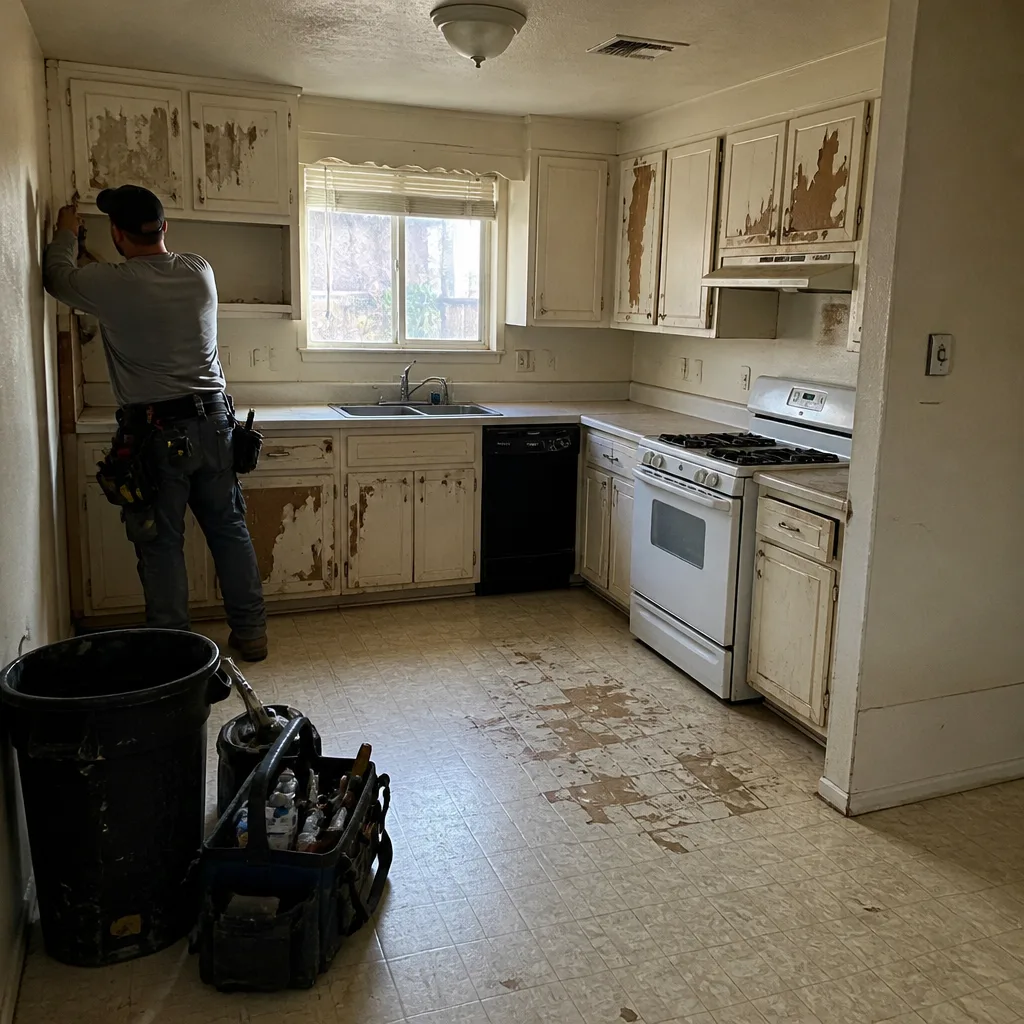 Before
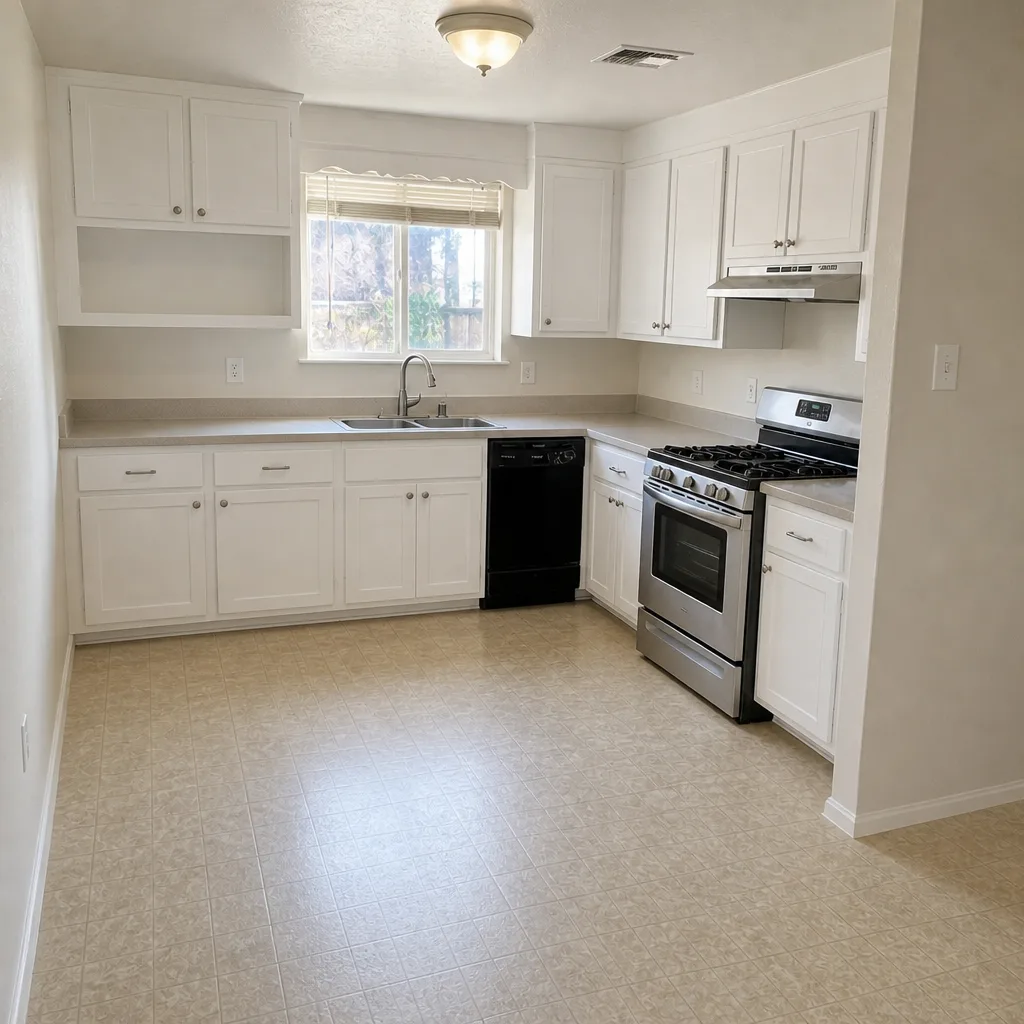 After
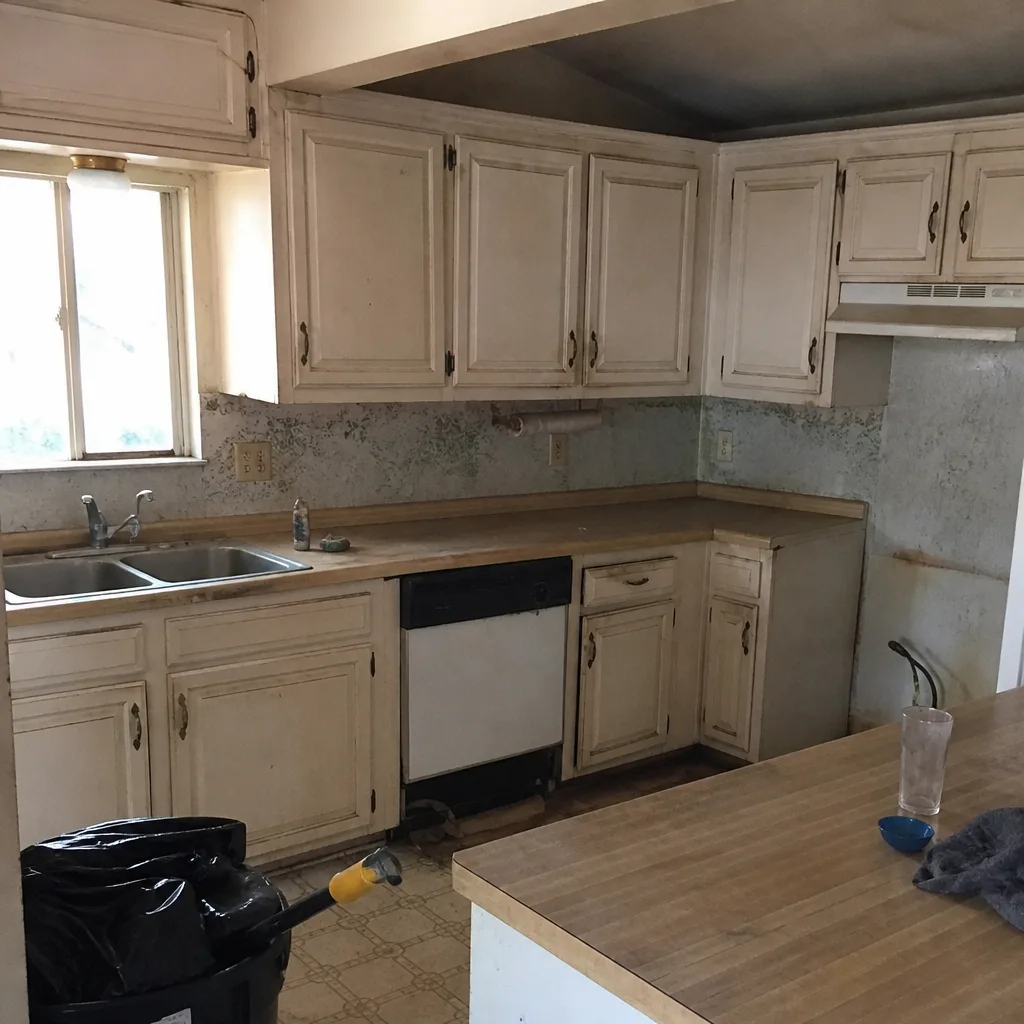 Before
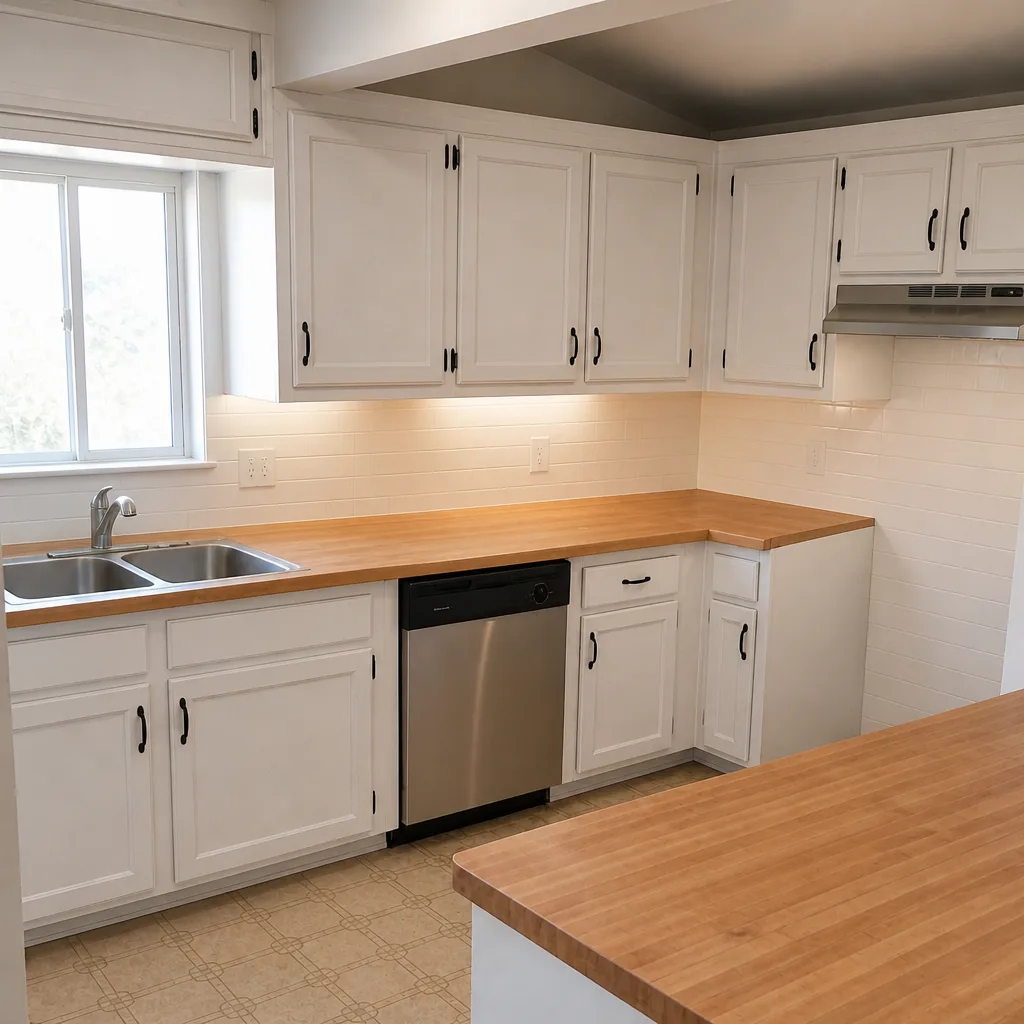 After
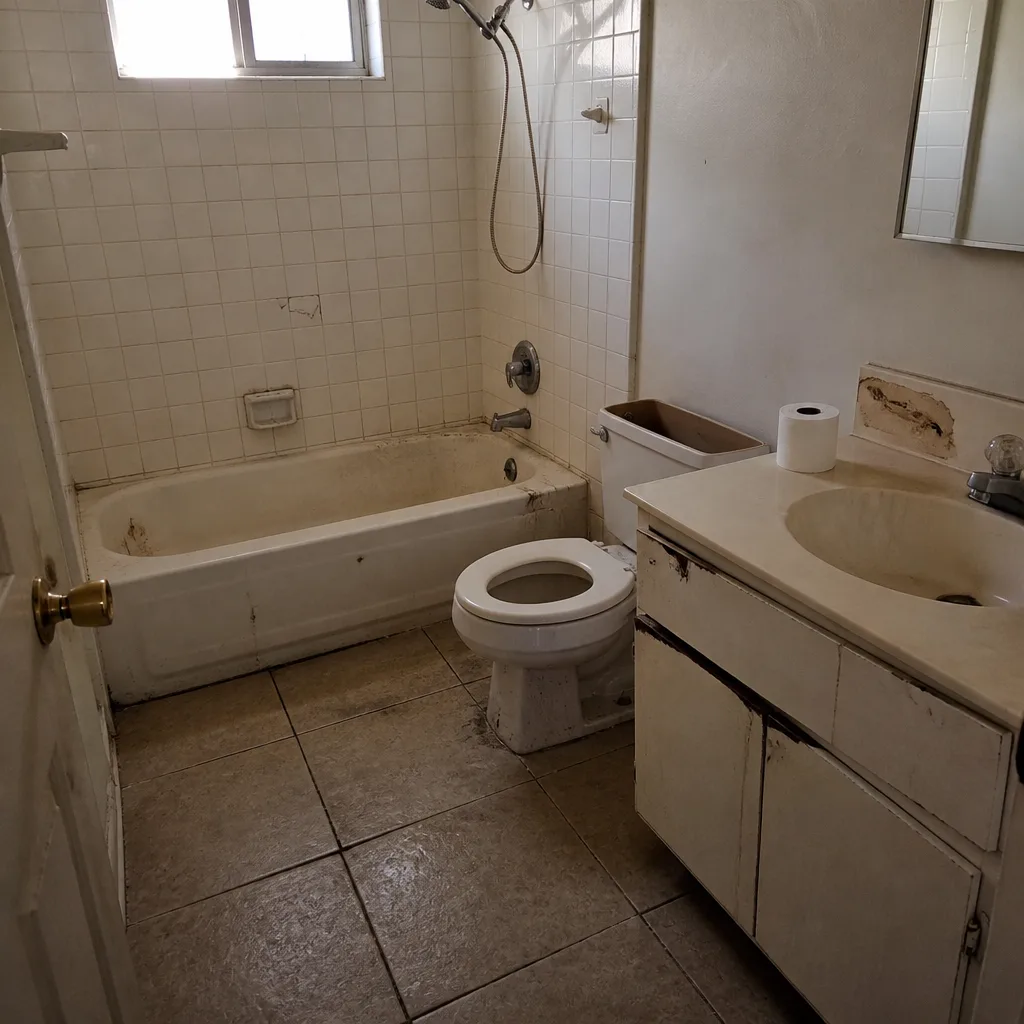 Before
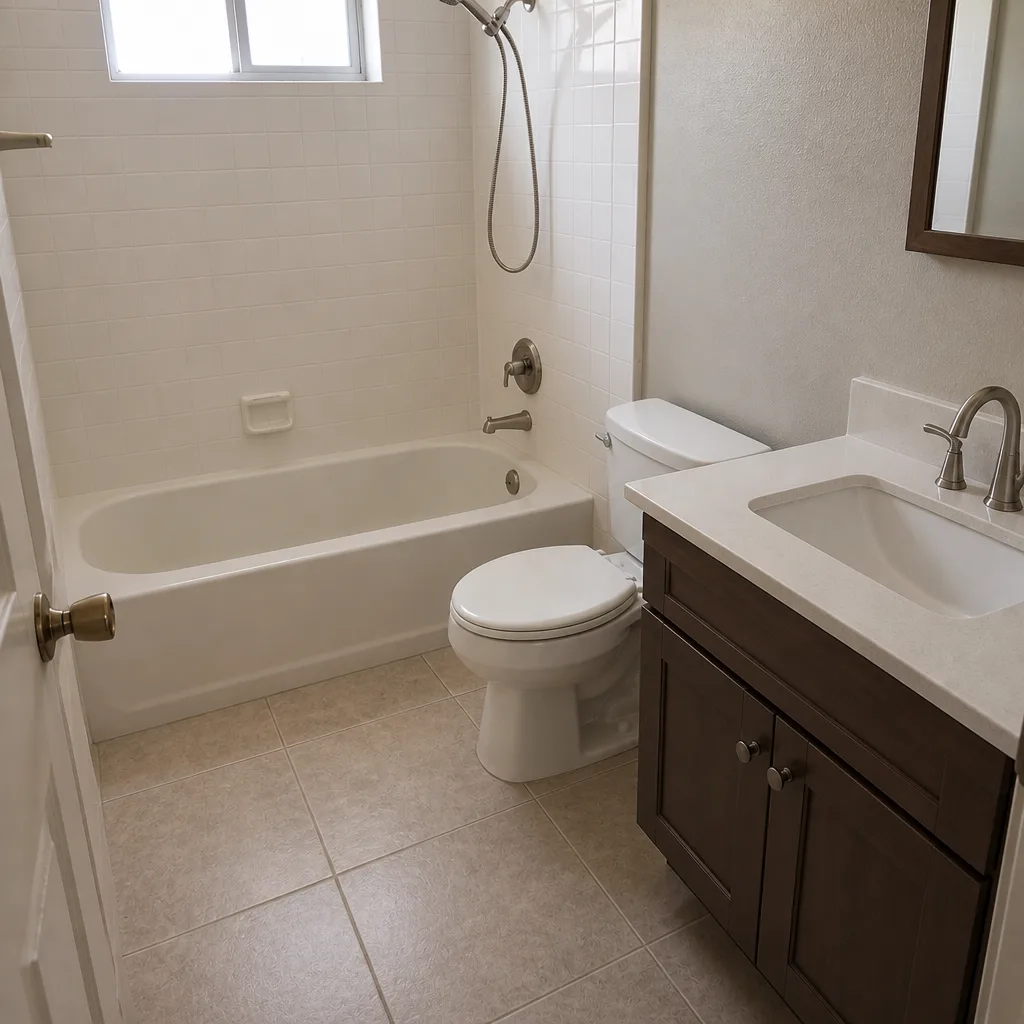 After